
FREE downloadable resources
Resources available here
The Ultimate Guide to Horsebox and Trailer Tyres
Your tyres are the only part of your horsebox or trailer that connect with the road, making their proper maintenance crucial for safety in acceleration, braking, steering, and cornering.
According to National Highways ‘ControlWorks’ data;
Horseboxes and trailers account for 21.9% of the incidents that occur relating to towed vehicles on the motorway network
Tyre breakdowns for horseboxes and trailers increased by 29% in 2024 v 2022
Source: National Highways – ControlWorks recorded incidents involving towed vehicles on the Strategic Road Network – 2022 to 2024

Fitting the Right Tyres
Specification is Key – Always fit tyres that meet the correct specifications for your horsebox or trailer.
Mixing Tyres (UK Law) – It is illegal and dangerous in the UK to mix different tyre construction types (e.g., radial and cross-ply) on the same axle. It’s advisable to have the same construction type on all wheels.
Matching Tyres – Tyres across an axle should be of equal size and service description (load index and speed symbol). Spare wheels should also be identical if appropriate.
Tyre Pressures – Tyre pressures across an axle must be equal.
Cross-Ply to Radial Conversion – If converting an older trailer from cross-ply to tubeless radial tyres, ensure the new tyres are fitted only to safety-type rims (those with a hump or flat ledge on the outer bead seat). Consult the tyre manufacturer before fitting tubes with radial ply tyres, as not all are suitable.
Maintaining Correct Tyre Pressures
Golden Rule – Correct tyre inflation for the applied load is essential for safety and stability, especially for towing combinations.
Risks of Incorrect Pressure
Under-inflation – Adversely affects handling, causes excessive flexing and casing deterioration, leads to rapid wear on tread shoulders, and increases fuel consumption.
Over-inflation – Results in an uncomfortable ride, reduced road contact, accelerated wear in the tread centre, and increased susceptibility to impact damage.
When to Check – Check and adjust pressures before any journey when tyres are cold (travelled less than two miles). Never reduce warm tyre pressures.
Where to Find Pressures
Horsebox – Vehicle handbook or placard on the vehicle.
Trailer – Trailer manufacturer’s recommendations. Trailer tyres often require higher pressures than car tyres.
Tow Vehicle – Vehicle manufacturer’s documentation. For towing, rear tyre pressures should be set to the “fully laden” pressure. If this doesn’t differ from normal driving, increase rear tyre pressure by 4-7 psi (0.3-0.5 bar) depending on nose weight, but do not exceed the maximum cold inflation pressure on the tyre sidewall.
Importance – Correct pressures are vital for maximum safety, braking, grip, and extended tyre life.
Frequency – Check pressures at least monthly and before every journey, using an accurate gauge. Don’t forget the spare tyre.
Overloading
Dangers – Overloading tyres is dangerous. Police can take action if a horsebox or trailer is overloaded or has a poorly distributed load.
Load Distribution – Spread the load evenly and as low as possible to reduce negative impact on stability. Ignoring this can lead to tyre problems and failure.
Tread Depth
Wet Grip – Tyre treads provide grip on wet roads, but wet grip decreases as the tread wears or water depth increases. Reduce speed in wet conditions accordingly.
UK Legal Minimums
Vehicles up to 3500 kg GVW (Gross Vehicle Weight) – Minimum legal tread depth is 1.6 mm across the central three-quarters of the tread and around the entire outer circumference.
Horseboxes and vehicles over 3500 kg GVW – Minimum legal tread depth is 1 mm in a continuous band throughout the central three-quarters of the tread and around its entire circumference.
Driver Responsibility – Drivers are responsible for ensuring their tyres are legal and roadworthy. Breach of regulations can result in a fine of up to £2,500 and three penalty points per tyre.
Tyre Care
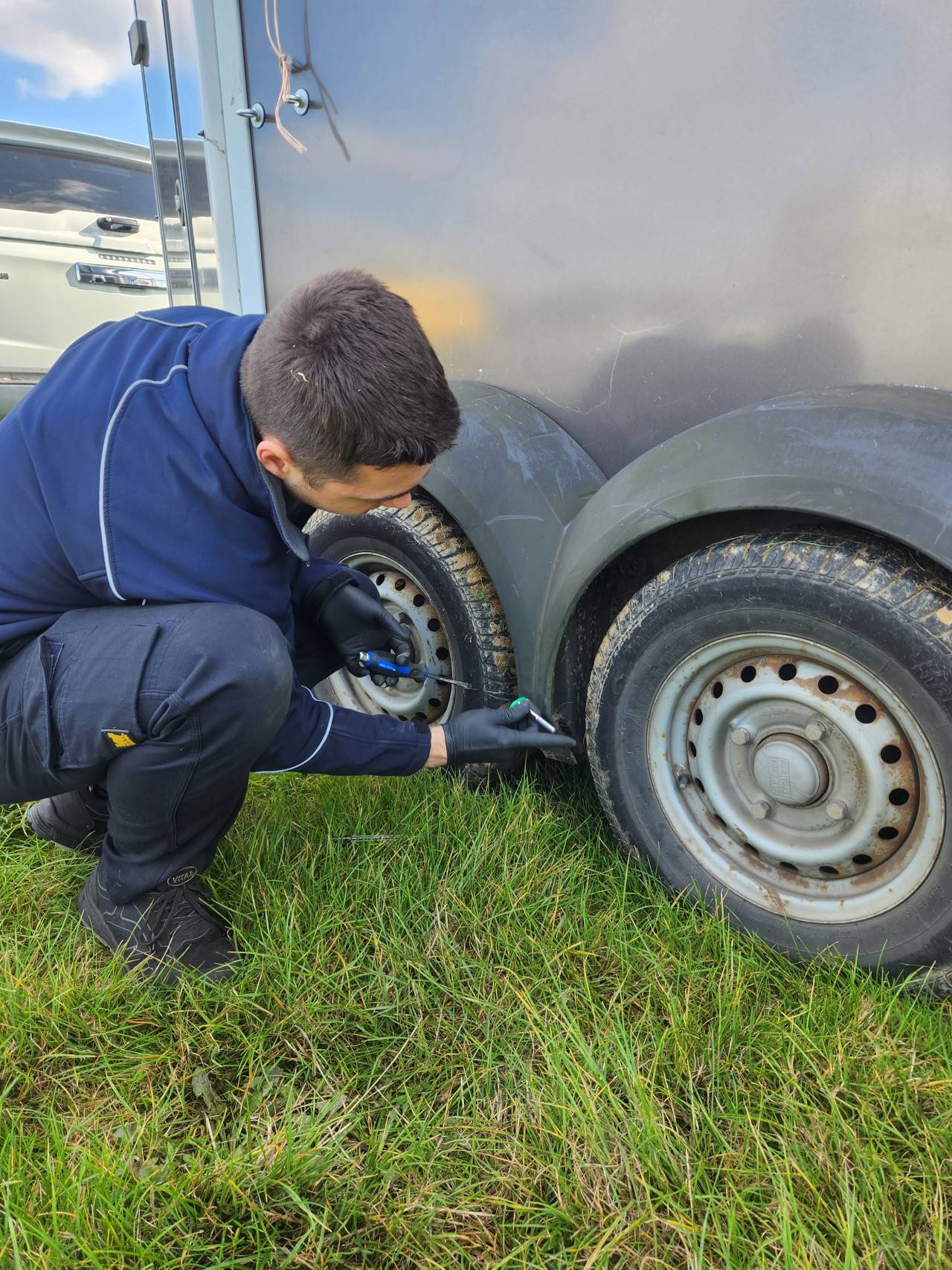
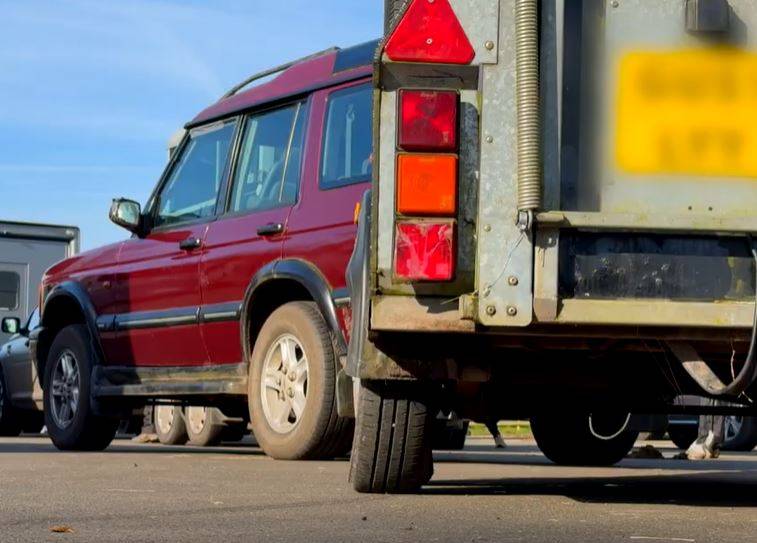
Regular Checks – Check tyres regularly, especially if the vehicle has been stationary for a while or on soft ground. Thoroughly inspect tyres after winter storage before re-use.
Signs of Age/Damage – Look for sidewall cracking and carcass deformation. Tyres on stationary vehicles age faster.
Storage – If storing your horsebox or trailer for a long period, cover the tyres to shield them from direct sunlight and, if possible, jack the weight off them.
Professional Inspection – If in doubt about tyre condition, have them checked by a professional before use.
Tyre Age Ban (UK) – The Road Vehicles (Construction and Use) (Amendment) Regulations 2020 ban the use of tyres over 10 years old on certain vehicles, including;
- Front (steering) axles of goods vehicles over 3.5 tonnes.
- Buses and coaches.
- Minibuses/van-derived horseboxes (and rear axles unless equipped with twin wheels).
- The same ruling applies to re-treaded tyres. The age of a tyre is found on its sidewall.
Repairs
Specialist Only – Tyre repairs must be carried out by a specialist in accordance with British Standard AU159.
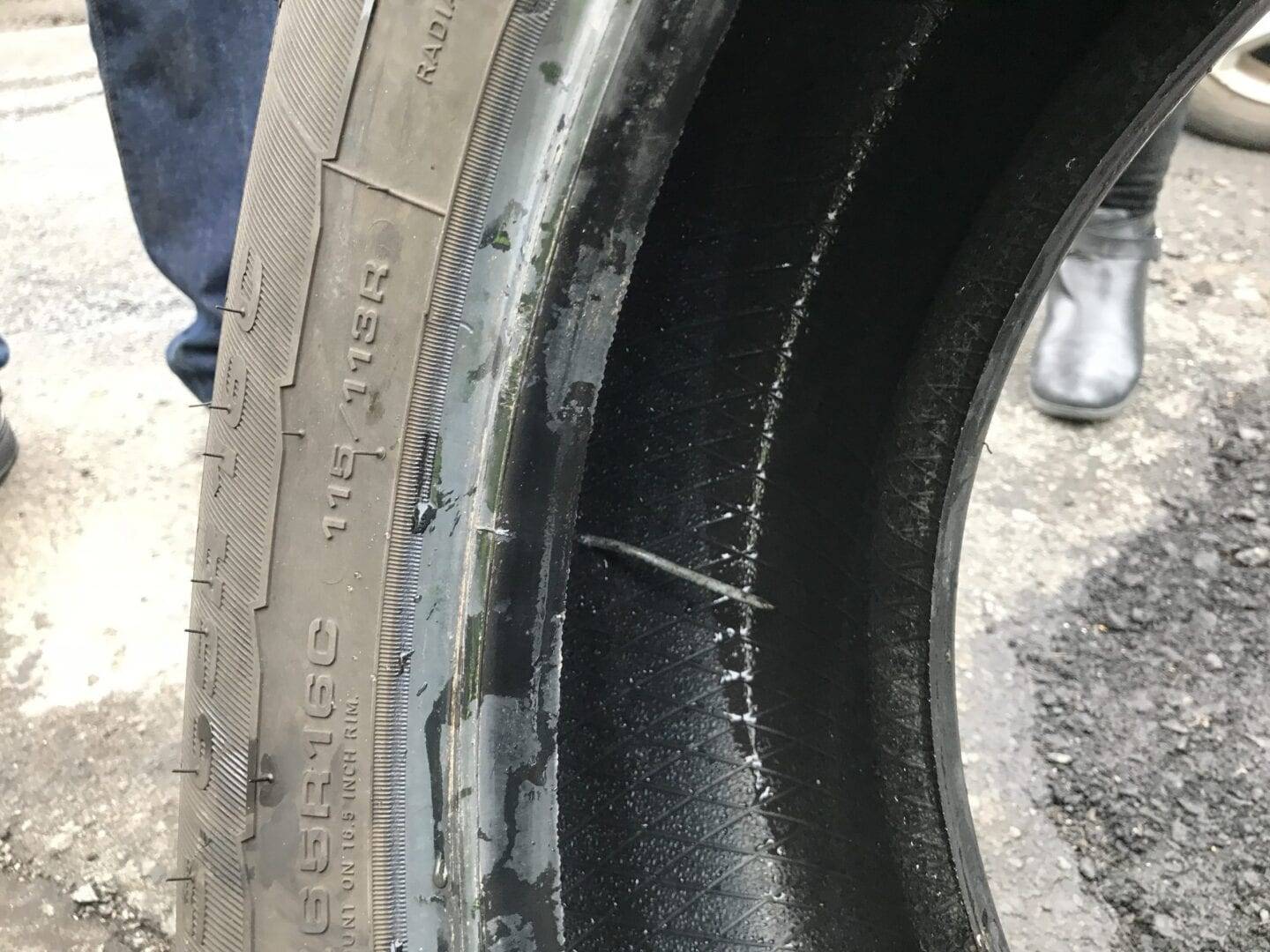
Thorough Inspection – Permanent repairs require removing the tyre from the wheel for internal and external inspection to prevent hidden dangers leading to failure.
Prohibited Repairs – Externally applied plug repairs or liquid sealants are not considered permanent repairs. Tyre manufacturers are not responsible for problems arising from their use.
Legal Penalties – UK courts have greater authority to prosecute businesses for fitting illegal tyres or faulty brakes, with maximum penalties including unlimited fines, imprisonment, or both.
Tyre Condition
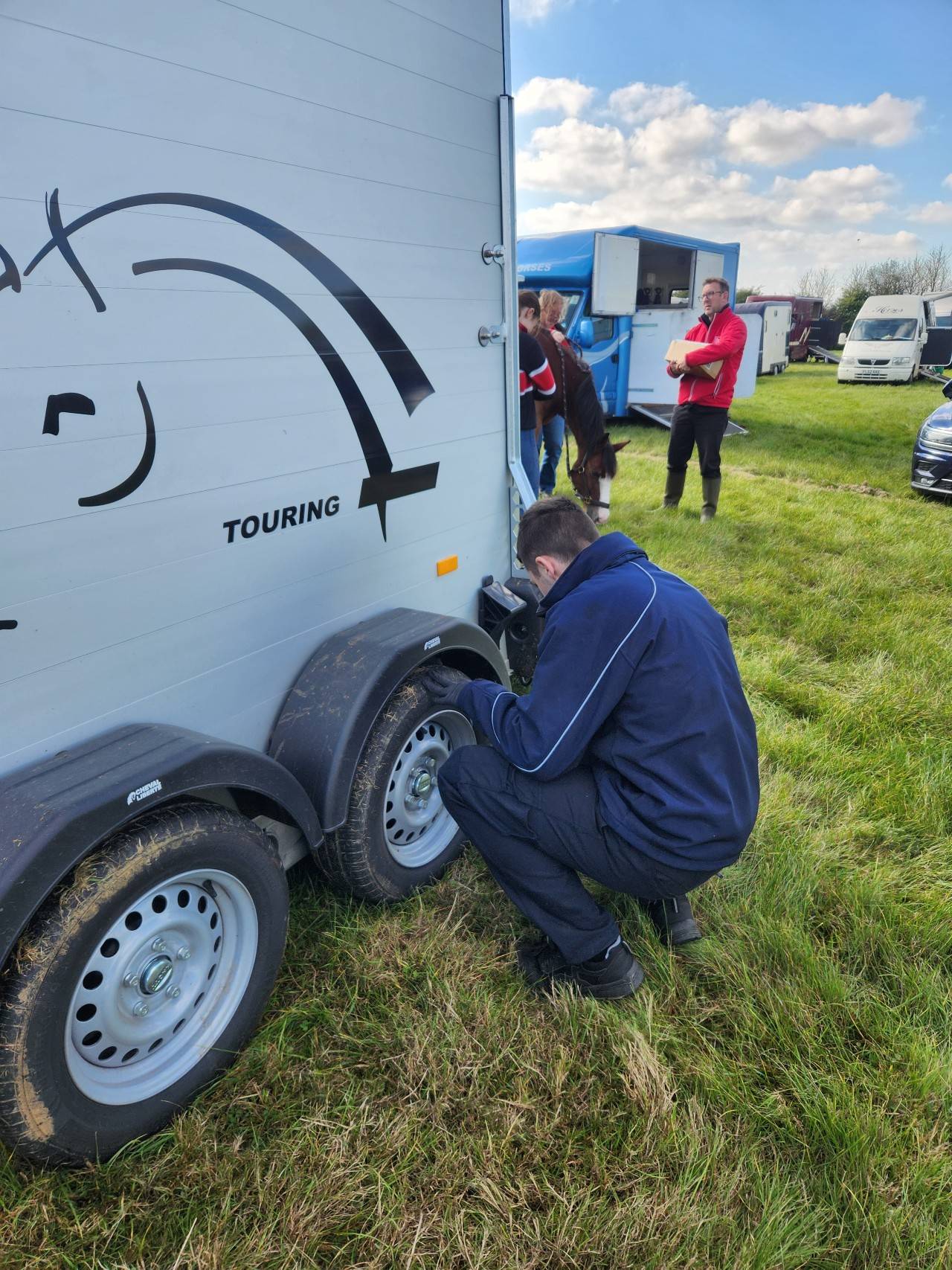
Regular Examination – Regularly examine your horsebox or trailer tyres.
Remove Objects – Remove any stones or objects embedded in the tread.
Lumps, Cuts, Bulges – If you find any lumps, cuts, or bulges, have the tyre inspected by a specialist, as these may indicate dangerous internal damage.
Cleanliness – Wipe away any oil or grease with a suitable diluted detergent.
Duty of Care
Equine professionals transporting horses have a duty of care to their drivers, ensuring a safe working environment and providing safe, roadworthy vehicles.
This is enforced under the Health and Safety (Offences) Act 2008.
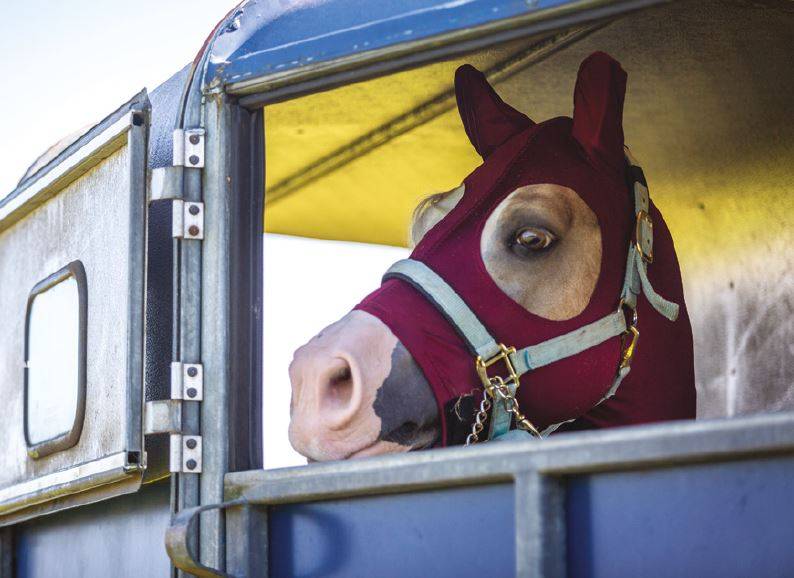
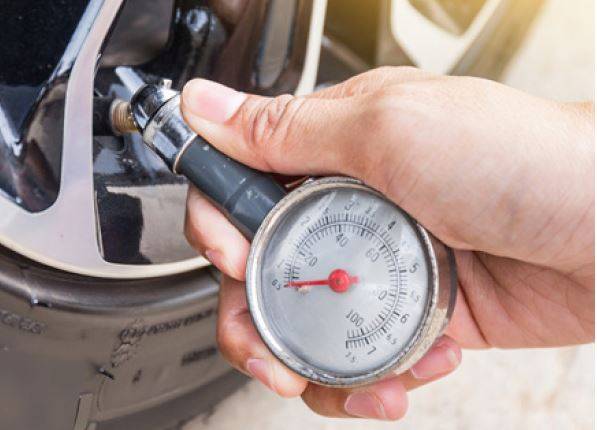
How to Check Your Tyre Pressures
- Frequency – Check at least monthly and before every journey with your horsebox or trailer.
- Refer to Manufacturer – Check against the vehicle manufacturer’s recommended levels found in the documentation or on a vehicle plate.
- Cold Tyres – Check when tyres are cold (travelled less than two miles).
- Tow Vehicle Pressure – Increase tow vehicle tyre pressures as per manufacturer recommendations when towing.
- Accurate Gauge – Use a reliable and accurate pressure gauge.
- All Tyres – Check all tyres, including the spare.
- Visual Inspection – While checking pressures, visually inspect the tyres for stones, embedded objects, bulges, lumps, or cuts.
- Seek Expert Advice – If unsure about any aspect of tyre pressure or condition, consult an approved fitting centre.
TyreSafe Partners with British Horse Society (BHS)
TyreSafe acknowledges the help and support of the British Horse Society (BHS) in the compilation of this advice.

TyreSafe Supports the Pass Wide & Slow Campaign
TyreSafe has partnered with Pass Wide and Slow (PWAS) to enhance equestrian road safety and tyre awareness. This collaboration aims to educate drivers and equestrians on the importance of tyre maintenance and safe driving practices to reduce incidents involving horses and riders on the road.
Read more about our partnership here