

A tyre speed rating (TSR) indicates the maximum speed a tyre can safely travel at when carrying its approved load. It is shown as a letter on the tyre sidewall.
It is important to note that the tyre’s rating is based on the recommended load index that is also on your tyre.
Ratings are determined by the results of practical tests carried out by engineers when new tyres are designed and manufactured, to ensure they can safely maintain use at the maximum speed it is rated at when carrying a determined amount of weight.
Does the tyre speed rating matter?
Yes, tyre speed ratings matter because they affect safety and vehicle performance. Fitting tyres with the correct speed rating helps to ensure your vehicle handles, brakes and performs as intended. For this reason, speed ratings are an important part of choosing the right tyre for your vehicle.
Where can I find my tyre’s rating?
The TSR is part of the tyre speed index system which indicates the maximum speed your tyre can be driven on. The system is a lettered code, and letters correspond to speeds. Your rating is clearly displayed on the sidewall of your tyre.
Most standard consumer vehicles fall under the speed rating of S or T (for 112 or 118 mph limits). However, if you drive a high-performance vehicle or a sports car that often have wide diameter tyres you may need to opt for a rating of W, Y or (Y).
How to read tyre speed?
You can read your tyre’s speed rating by finding the tyre size code on the sidewall and looking at the last letter in it. This letter appears after the load index and indicates the tyre’s maximum safe speed.
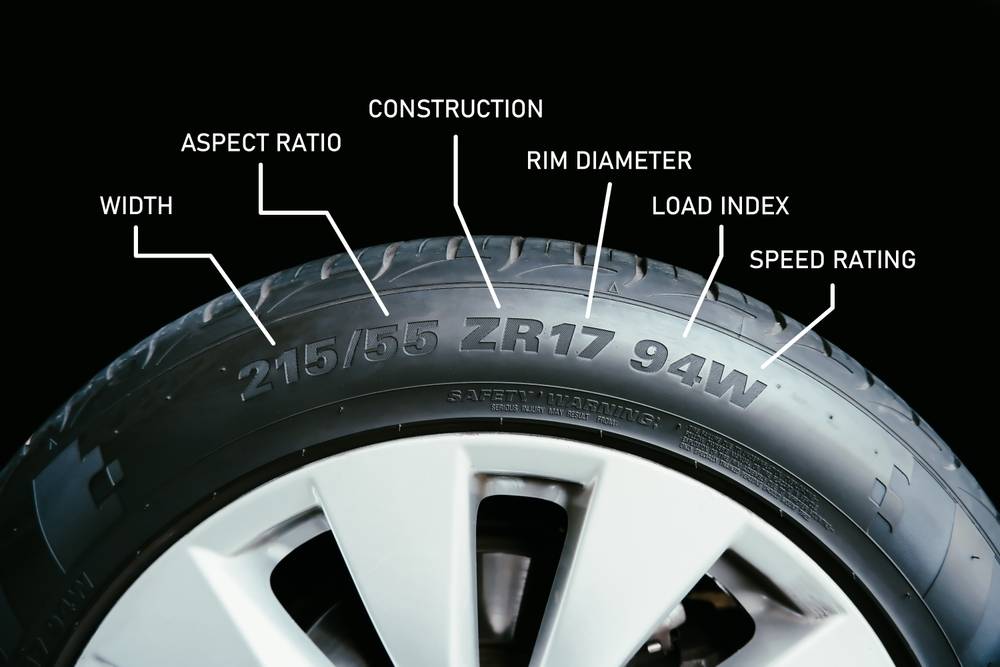
You can then use the tyre speed rating chart to see what speed each letter represents.
Tyre speed rating chart
| Speed rating |
mph | km/h | Speed rating |
mph | km/h |
| A1 | 3 | 5 | K | 68 | 110 |
| A2 | 6 | 10 | L | 75 | 120 |
| A3 | 9 | 15 | M | 81 | 130 |
| A4 | 12 | 20 | N | 87 | 140 |
| A5 | 16 | 25 | P | 93 | 150 |
| A6 | 19 | 30 | Q | 100 | 160 |
| A7 | 22 | 35 | R | 106 | 170 |
| A8 | 25 | 40 | S | 112 | 180 |
| B | 31 | 50 | T | 118 | 190 |
| C | 37 | 60 | U | 124 | 200 |
| D | 40 | 65 | H | 130 | 210 |
| E | 43 | 70 | V | 149 | 240 |
| F | 50 | 80 | W | 168 | 270 |
| G | 56 | 90 | Y | 186 | 300 |
| J | 62 | 100 | (Y) | 186+ | 300+ |
How do I know that I have the right tyres for my vehicle?
When buying a tyre, ensure that it is labelled, which provides you with the essential information pertaining to speed, braking distance in different conditions, load, and fuel efficiency. If you are unsure, please consult a tyre specialist who will make sure the tyres being fitted are appropriate and safe.
What you need to remember…
Your tyres’ rating is an indication of the maximum speed that the tyre can be driven on. This does not reflect or coincide with legal road speed limits which are almost always much lower for your safety and the safety of others.
You should not be exceeding the national speed limit. Even in a controlled environment, such as a race track, you are still at significant risk.
FAQs
If you buy and fit tyres with the wrong rating, your safety could be compromised, as tyres are integral to braking, steering and grip.
Installing the wrong tyres could void your manufacturer’s guarantee and also invalidate your insurance in the event of a claim. In the worst case, tyres with the wrong rating could cause a blowout or a serious incident.
Exceeding a tyre’s speed rating can cause the tyre to overheat, which may lead to tread separation, sudden tyre failure, or a blowout.
The code 91V on a tyre refers to the tyre’s load capacity and maximum speed:
91 – The maximum weight the tyre can safely support is 615 kg.
V – The maximum speed the tyre can safely sustain is 149 mph (240 km/h)