FREE downloadable resources
Towing and trailer resources (leaflet, poster, social media and fact sheet) available in our free tyre safety resources
Whatever you tow, tow with safe tyres
Embarking on a towing adventure, whether it’s a weekend getaway with a caravan, transporting essential equipment for work, or simply taking waste to the local recycling centre with a domestic trailer, requires careful preparation. This comprehensive guide is designed to equip you with the knowledge needed to ensure your towing experience is safe, legal, and trouble-free, covering both general best practices and specific UK regulations, with in-depth insights on tyre care.
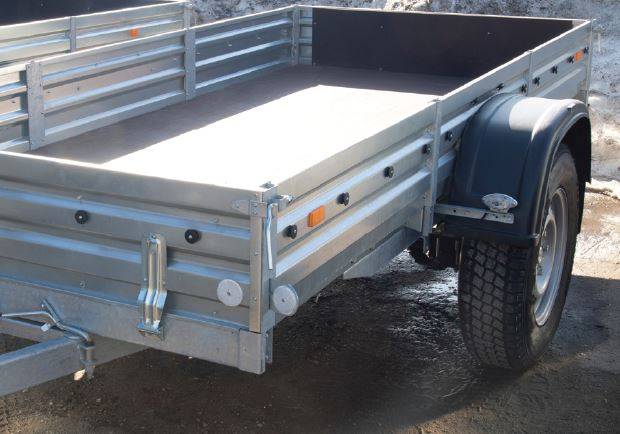
Tow a trailer or caravan with a car – safety checks
Checks you should carry out every time you tow a trailer, caravan or horsebox with a car, to make sure you’re towing safely and legally.
Checks before you tow
Carry out the basic safety checks shown in this video to make sure that your vehicle and trailer are safe and legal.
You can be fined up to £2,500, be banned from driving, and get 3 penalty points for using a vehicle in a dangerous condition.
Get a free safety check
You can get a free safety check for a trailer up to 3,500kg through the National Trailer and Towing Association’s (NTTA) free safety checks scheme.
The check will highlight issues that you need to address.
Find a free trailer safety check provider on the NTTA directory.

Understanding the Variety of Trailers
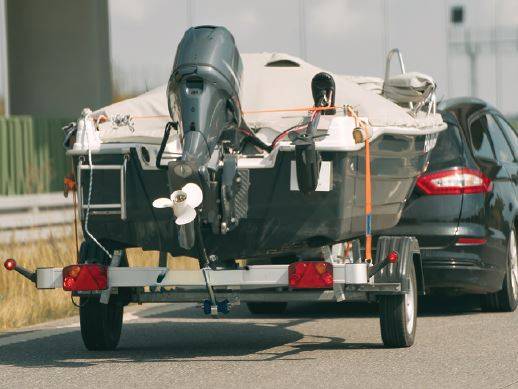
The world of trailers is diverse, each type designed to meet specific needs. From the versatile utility trailers for everyday tasks to the mobile comfort of caravans, the specialised requirements of horse and livestock trailers, the robust nature of plant and boat trailers, the demands of agricultural trailers, and the purpose-built car transporters, understanding the characteristics of your trailer is the first step towards a safe journey. Recognising the intended use and capabilities of your trailer will inform how you load it and the demands placed on its components, particularly the tyres.
Navigating the Legal Landscape – Ensuring Compliance and Avoiding Penalties When Towing
Before you hitch up and head out, a thorough understanding of the UK’s legal requirements for towing is essential. This includes ensuring you hold the correct driving licence category for your vehicle and trailer combination. Remember that your trailer may need registration and a visible VIN plate. Functioning lighting and signalling (brake lights, indicators, tail lights, and reflectors) are mandatory for safe visibility. For trailers exceeding certain weights, effective braking systems (often overrun brakes) are a legal necessity. Always be aware of and adhere to the maximum towing weights specified by your vehicle manufacturer and observe any lower speed limits that apply when towing. For braked trailers, a correctly connected breakaway cable or chain is a critical safety device.
In the UK, road-going trailers (category O) are further classified by their maximum mass:
- O1 Very Light Trailers: Maximum mass of 0.75 tonnes or less.
- O2 Light Trailers: Maximum mass over 0.75 tonnes, up to 3.5 tonnes.
- O3 Medium Trailers: Maximum mass over 3.5 tonnes, up to 10 tonnes.
- O4 Heavy Trailers: Maximum mass over 10 tonnes.
This guide primarily focuses on the O1 and O2 trailer categories, which are most commonly used by individuals. It’s important to note that while O1 and O2 trailers are not currently subject to mandatory annual testing (MOT) in the UK, the responsibility for ensuring your trailer is roadworthy at all times rests firmly with you, the owner and user.

Tyres – Your Trailer’s Connection to Safety and Performance (Meeting UK Towing Standards)
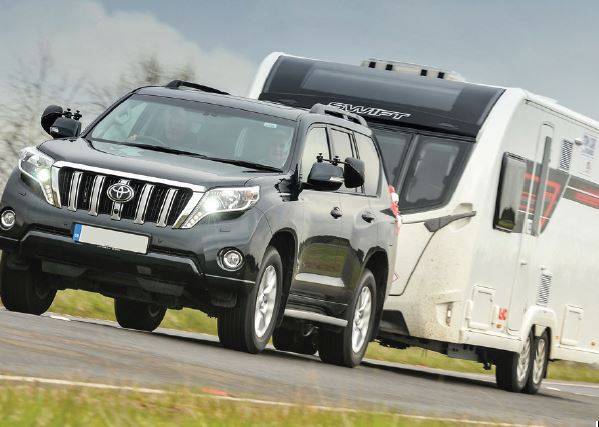
Your trailer’s tyres are the critical point of contact with the road, bearing the weight of your load and providing the grip necessary for stability and control. The added demands of towing make diligent tyre care paramount. In the UK, tyres fitted to trailers must adhere to specific standards outlined by the DVSA.
Sidewall markings
Each tyre, including any spare, must bear the correct approval marks: an ‘E’ mark (ECE Regulation), an ‘e’ mark (EC Directive), or a DOT (US Department of Transportation) mark. Additionally, essential information must be clearly visible on the tyre sidewall, including the manufacturer’s name or trademark, the tyre size designation, the category of use (if applicable), the speed category symbol, the load capacity index, and the tyre’s cross-section.
Tyre Type
For optimal safety and handling, all tyres fitted to the trailer must share the same structure (e.g., all radial or all bias-ply), and all tyres on any single axle must be of the same type, meaning they should not differ in manufacturer, size, category of use, speed/load index, or cross-section. It is also crucial that each tyre has the correct load indices, speed ratings, and use markings appropriate for the trailer’s maximum mass and intended operating speeds. Ensure that each wheel and tyre has sufficient clearance to rotate freely under all conditions, and always fit tyres according to the manufacturer’s instructions marked on the sidewall.
Tread Depth
Maintaining the correct tread depth is vital for grip, especially in wet conditions. For O1 and O2 trailers, the legal minimum tread depth is 1.6mm across the central three-quarters of the original breadth of the tread pattern. Remember to regularly check tread depth using a reliable gauge.
Tyre Pressure
Correct tyre pressure is equally crucial for handling, stability, braking, and tyre longevity. Always consult your vehicle and trailer manufacturer’s specifications for the recommended pressures, and be aware that many domestic pumps may struggle to reach the required pressures, necessitating the use of a heavy-duty pump or garage air line. Adjust tyre pressure according to the load being carried and make it a habit to check pressures regularly, as they naturally decrease over time.
Tyre Condition
Regularly inspect your tyres for any signs of cuts, bulges, or impact damage, any of which can lead to sudden failure. Remove any stones lodged in the tread and ensure valve caps are securely fitted.
Tyre Age
Finally, be aware that tyres age and degrade over time, even with little use. Look for signs of sidewall cracking and rubber deterioration. Check the DOT code to determine the tyre’s age and consider replacement after 5-7 years, regardless of mileage. Trailers stored for long periods are particularly susceptible to flat spots and accelerated rubber degradation.
Load Management and Connectivity – Ensuring a Balanced and Secure Tow
Overloading your trailer places excessive strain on the tyres and other components, significantly increasing the risk of failure. Always adhere to the trailer’s maximum load capacity and your vehicle’s towing limits. Proper load distribution is also critical for maintaining stability and preventing uneven tyre wear. For O1 and O2 trailers fitted with passenger car tyres in single formation, the maximum load rating of every tyre must be at least equal to 0.45 times the maximum mass for the most heavily loaded axle. For dual formation, this factor is 0.24. Maintaining the correct nose weight is also essential for stable towing, impacting the weight distribution on both the towing vehicle and the trailer’s tyres.
Ensuring a secure connection between your towing vehicle and trailer is paramount. Always verify that the tow hitch and coupling are in good working order and correctly engaged. For braked trailers, a properly connected breakaway cable or chain is a vital safety feature. Before each journey, confirm that all lighting and brakes on the trailer are functioning correctly. If your trailer has a jockey wheel, ensure it is fully retracted and securely stowed. Regularly check that your wheel nuts are tightened to the correct torque.

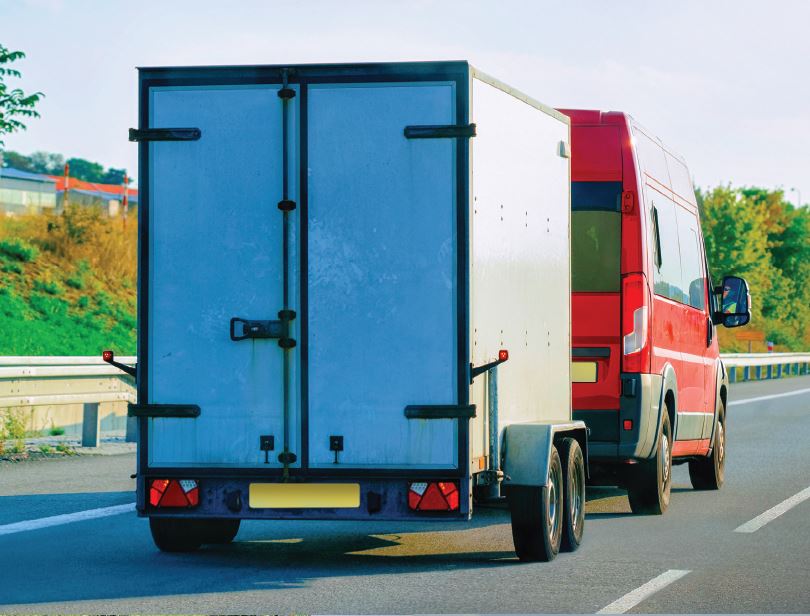
Tips for the Tyre-Conscious Owners
For those who want to extend the life and performance of their trailer tyres, consider proper tyre storage when the trailer is not in use. Storing tyres in a cool, dry, and dark place, away from sunlight and chemicals, is ideal. For long-term storage, using axle stands can prevent flat spots.
Delving deeper into tyre sidewall markings can provide valuable insights into a tyre’s capabilities, including its load index and speed rating. If you frequently tow heavier loads with an O1 or O2 trailer, look for tyres marked ‘XL’ or ‘Reinforced’ for increased load-carrying capacity.
Remember that towing also puts extra strain on your towing vehicle’s tyres. Always check and adjust their pressures according to the vehicle manufacturer’s towing recommendations. Increased or uneven wear on the towing vehicle’s tyres, particularly the rear, can be a sign of towing stress or incorrect inflation.
The suspension and wheel alignment of both your trailer and towing vehicle indirectly impact tyre wear. Maintaining these components in good condition helps ensure even contact with the road, preventing premature and irregular tyre wear.
If available or easily retrofitted, a Tyre Pressure Monitoring System (TPMS) can provide real-time pressure information, alerting you to potential issues before they become serious.
In the unfortunate event of a tyre failure while towing, knowing how to react is crucial. Pull over safely, use hazard lights, and if possible and safe, change the tyre or call for breakdown assistance.
Finally, be aware that seasonal temperature changes can affect tyre pressure. Check and adjust pressures more frequently during extreme hot or cold weather.
DVSA Light Trailer Compliance Report (published March 2023)
This report highlights critical safety gaps;
- Of 3,083 trailers (non-caravan) checked, 50% were non-compliant, and 41% received immediate prohibitions due to dangerous defects.
- Tyres accounted for 84% of all running gear defects that led to prohibitions for non-caravan trailers.
- Caravans fared slightly better, but 12% of those checked had prohibitable defects, with 7% receiving immediate prohibitions.
Read more here


National Highways Control Works data
Reveals a significant increase in incidents involving towed vehicles between 2022 and 2024;
- 16,705 incidents involving towed vehicles (caravans, horseboxes, and trailers) were recorded during this period.
- Incidents increased by 16% from 2022 to 2024, with trailers accounting for 45.2% of all incidents.
- Tyre-related breakdowns for towed vehicles rose by 6.8% in 2024, with trailers seeing a 9% increase in tyre-related issues.
UK Towing Safety Alliance
TyreSafe is a founding member of the recently established UK Towing Safety Alliance. This initiative aims to enhance safety practices for everyone who tows, whether for commercial purposes or leisure, on the nation’s roads.
Convened by the Parliamentary Advisory Council for Transport Safety (PACTS), the Alliance unites a diverse group of organisations.
Alongside TyreSafe, members include the National Trailer and Towing Association (NTTA), National Highways, Association for Road Risk Management (ARRM), Driving for Better Business (DfBB), Project Edward, National Caravan Council (NCC), NFU Mutual, Road Safety GB, The Camping and Caravanning Club, Tilly Your Trailer, the British Horse Society (BHS), and The Pony Club.
More organisations continue to join this collaborative effort, all working towards the shared objective of significantly improving towing safety across the UK.