

Managing Tyre Failure and Maintaining Vehicle Control
Tyre safety is a two-pillar discipline – prevention through rigorous maintenance, and mitigation through mechanical safety systems.
While routine checks can prevent most failures, unpredictable events like high-speed blowouts or debris strikes require hardware that maintains the physical integrity of the wheel-to-road connection.

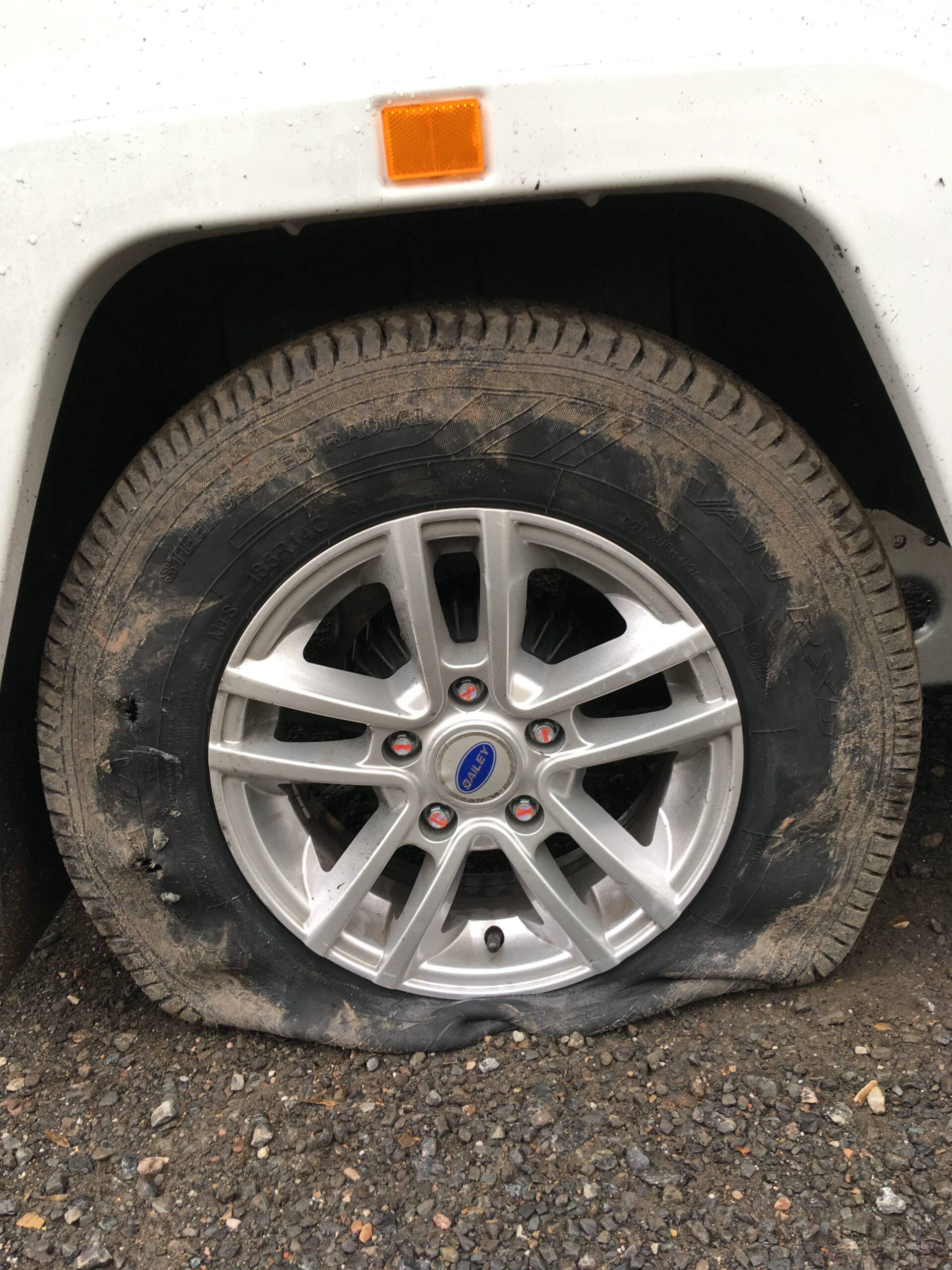
The Mechanics of Tyre Failure
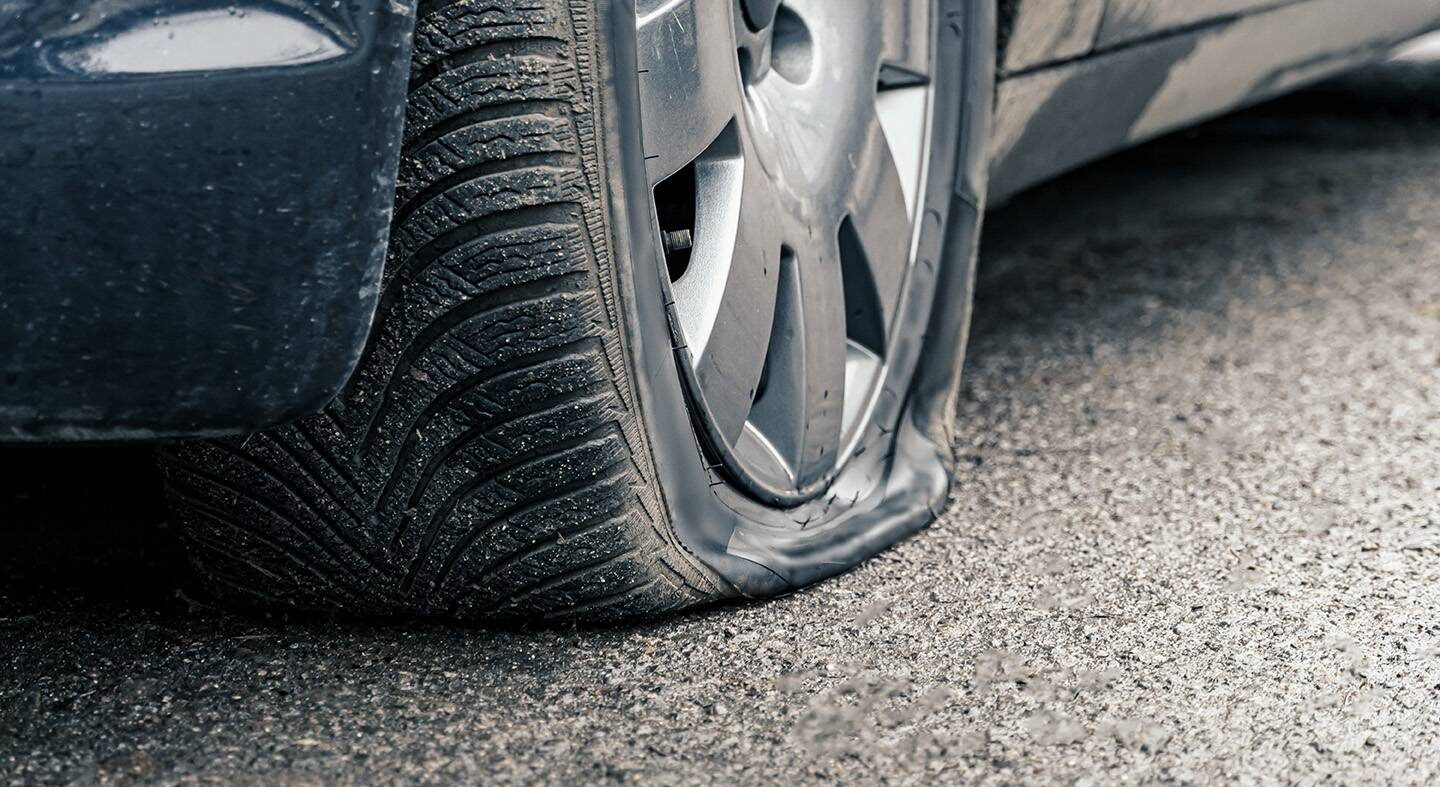
A blowout is a rapid, catastrophic loss of inflation pressure. In a standard wheel assembly, the ‘well’ of the wheel (the sunken centre) is necessary for fitting the tyre. However, during a blowout, the deflated tyre can drop into this well, allowing it to move across the rim or detach entirely.
Under-inflation – The primary cause of structural failure. It causes excessive sidewall flexing and heat build-up, weakening the rubber until it fails.
Environmental Hazards – Potholes, kerbs, and debris can cause immediate punctures that bypass even the best maintenance routines.
Vehicle Control – Once a tyre deflates, the driver often loses steering authority because the wheel rim begins to spin inside the loose tyre or strikes the road surface directly.
Runflat Technology – How the Multiband Operates
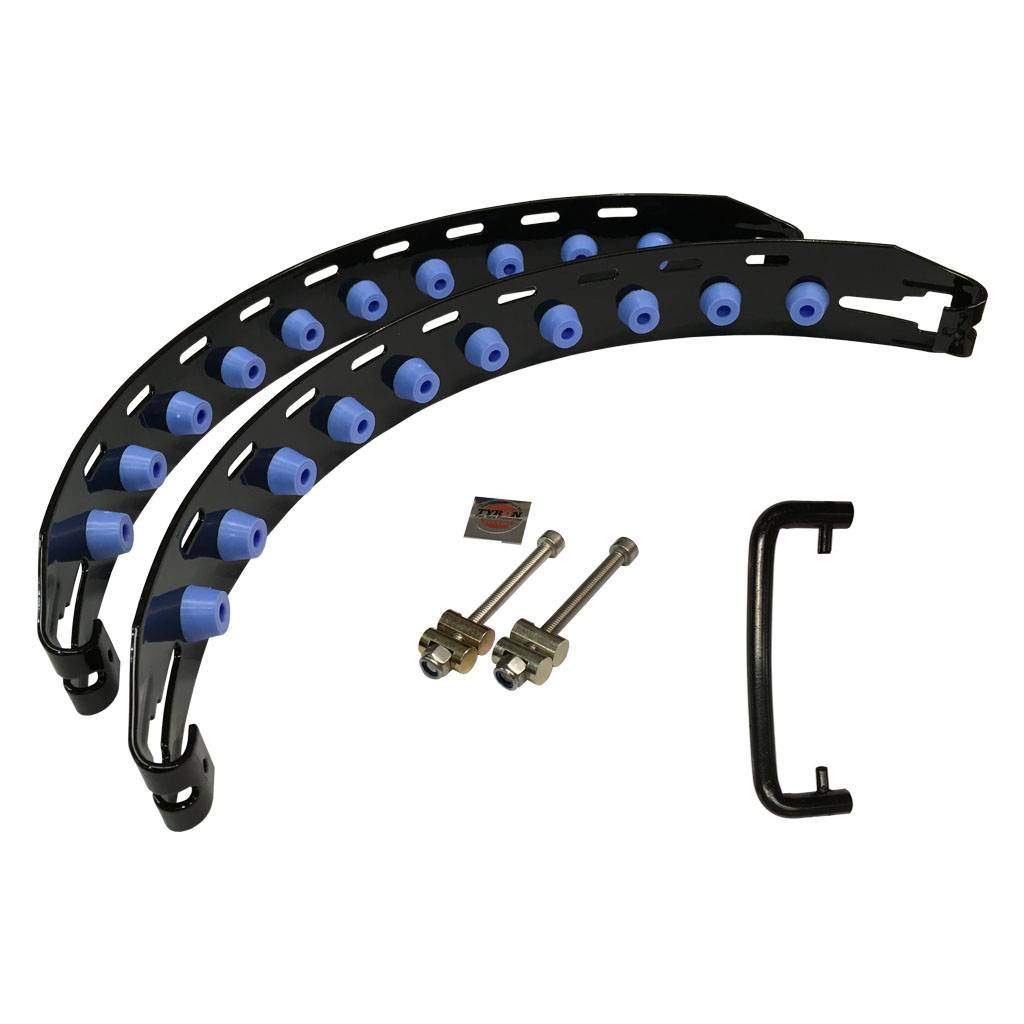
Developed from British designs used during the Troubles in Northern Ireland, the Tyron Multiband is a ‘well-filler’ safety system. It is engineered to bridge the gap between a standard wheel and a full military-grade runflat.
a. Installation in the Wheel Well
Locked Security
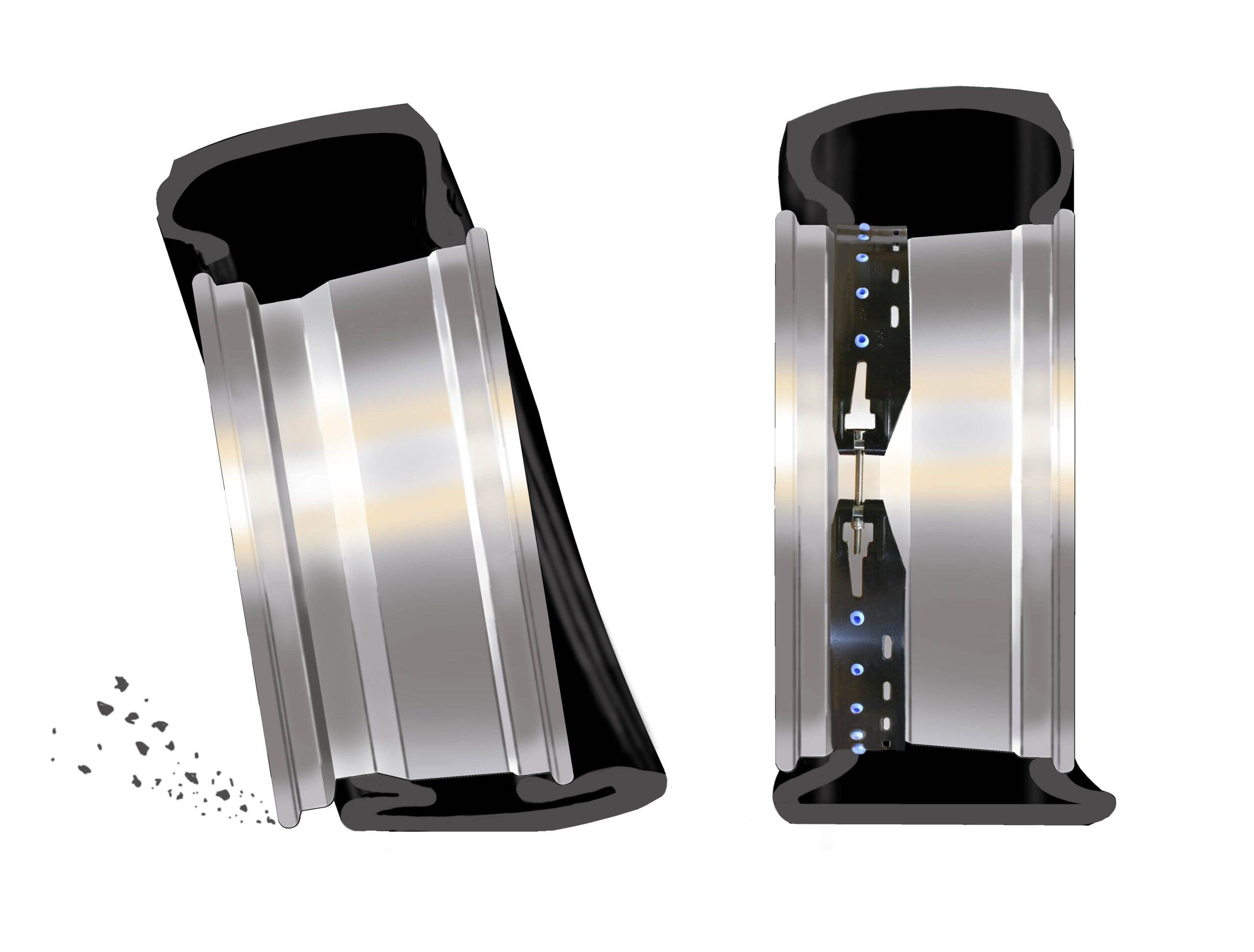
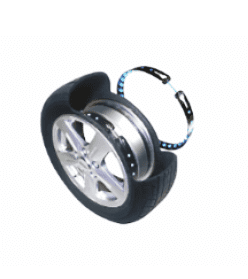
The high-strength steel band is bolted into the well of the wheel rim. This effectively ‘fills’ the gap required for tyre fitting, creating a flat surface across the internal diameter of the rim.
b. Centrifugal Retention
Passive Safety Device
When a puncture occurs, the Multiband prevents the tyre beads from dropping into the well. This locks the tyre in its original position between the rim and the road.
c. Maintaining Steering Geometry
Extended Control
By keeping the tyre on the rim, the system ensures the driver retains steering and braking control. The vehicle can be driven at reduced speeds for several miles to reach a safe location.
Critical Comparisons for Fleet Managers
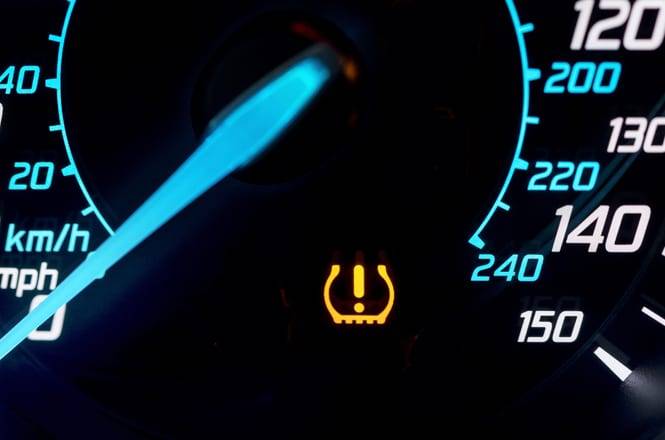
Fleet operators often confuse TPMS (monitoring) with Multibands (mechanical safety). It is vital to understand that these are complementary, not interchangeable, technologies.
| Feature | TPMS (Monitoring) | Tyron Multiband (Mechanical) |
| Primary Function | Detects and alerts to pressure changes. | Physically retains tyre on the rim during deflation. |
| Blowout Response | Provides a warning light; cannot assist with steering. | Prevents tyre/rim separation, maintaining vehicle control. |
| Maintenance | Requires sensor batteries and calibration. | No independent servicing required; inspected during tyre changes. |
| Industry Standard | Mandatory on most modern passenger vehicles. | Specialised for high-risk sectors (Defence, Blue Light, Caravans). Mandatory is some countries for blue light and hazardous load vehicles. |
Lifecycle and Professional Oversight
The Tyron Multiband is designed to support the full life of the tyre. The system is not a single use product, but close inspection, and replacement of the locking mechanism must be undertaken when tyres are changed to ensure the locking mechanism is not compromised during refitting.
Installation and removal must be handled by trained technicians to ensure the steel bands are torqued correctly and inspected for any signs of fatigue during routine tyre rotations.
Summary – Beyond the Visual Check
Tyre safety is fundamentally a two-stage process – active maintenance to stop problems before they start, and mechanical backup to handle the problems you can’t see coming. While routine checks for tread depth, pressure, and physical integrity are your first line of defence, they cannot account for external road hazards like debris or sudden structural failure. Because a high-speed blowout often causes the tyre to physically detach from the wheel, relying solely on visual maintenance leaves a critical gap in driver safety.
Safety systems like the Tyron Multiband close this gap by providing a physical safety net. By locking the tyre beads to the wheel rim, these bands prevent the rubber from “flapping” or stripping away during a sudden deflation. This keeps the driver in command of the steering and braking, providing the stability needed to reach a safe location rather than being forced into a dangerous roadside stop in heavy traffic or hostile terrain.
Whether you are managing a family holiday or a commercial fleet, the goal is the same – ensuring that a tyre failure remains a manageable delay rather than a life-threatening incident.
TyreSafe Partners with Tyron
TyreSafe acknowledges the help and support of Tyron in the compilation of this advice.
Read more about our partnership with Tyron
