
Owning a car costs enough already, so it pays to look after it properly. A bit of basic maintenance goes a long way, helping your car run smoothly, keeping you safe, and saving you money along the way.
Why basic car maintenance matters
Getting into the habit of basic car maintenance checks is well worth the effort.
Top reasons to check your car include:
- Avoid costly repairs – Spotting issues early can stop small problems from becoming big expenses.
- Improve safety on the road – Keeping your car in good condition reduces the risk of incidents.
- Save money on running costs – Small checks and adjustments can improve fuel efficiency.
- Extend your car’s lifespan – Looking after key components helps to keep your car in better condition for longer.
- Maintain resale value – A well-maintained car with a clean service history will hold its value better.
- Prevent breakdowns – Regular checks can reduce the likelihood of breakdowns and being stranded at the roadside.
Car maintenance checklist at a glance
Use this car maintenance checklist to keep your car safe, reliable and running smoothly:
- Inspect tyre pressure, tread depth and condition
- Check engine oil levels regularly
- Top up essential fluids, like coolant and screen wash
- Check your battery’s condition
- Replace worn wiper blades
- Test lights, including indicators and brake lights
- Keep windscreen clean, clear and crack-free
- Keep the interior and exterior body work clean
- Stay on schedule with servicing and MOT checks
Alongside regular checks, it’s important to stay on top of your MOT and servicing to keep your car safe and legal.
Car maintenance tips for new drivers
Car maintenance doesn’t need to be complicated. Find top tips to keep your car tip top!
Inspect your tyres
Tyres are one of the most important parts of your car. Poorly maintained tyres can affect handling, reduce grip, increase stopping distances, and even lead to blowouts. You should check your tyres regularly, focusing on three key areas:
Tyre pressure – Check your tyres are inflated to the correct pressure. You can find the recommended levels in your car handbook or on the sticker inside the driver’s door.
Tyre condition – Look for cracks, punctures, bulges, or any objects stuck in the tyre that could affect its condition.
Tyre tread – The legal minimum tread depth in the UK is 1.6mm. A simple way to check is the 20p test: if you can see the outer rim of the coin when it’s placed in the tread, your tyres may be unsafe.
Check your engine oil
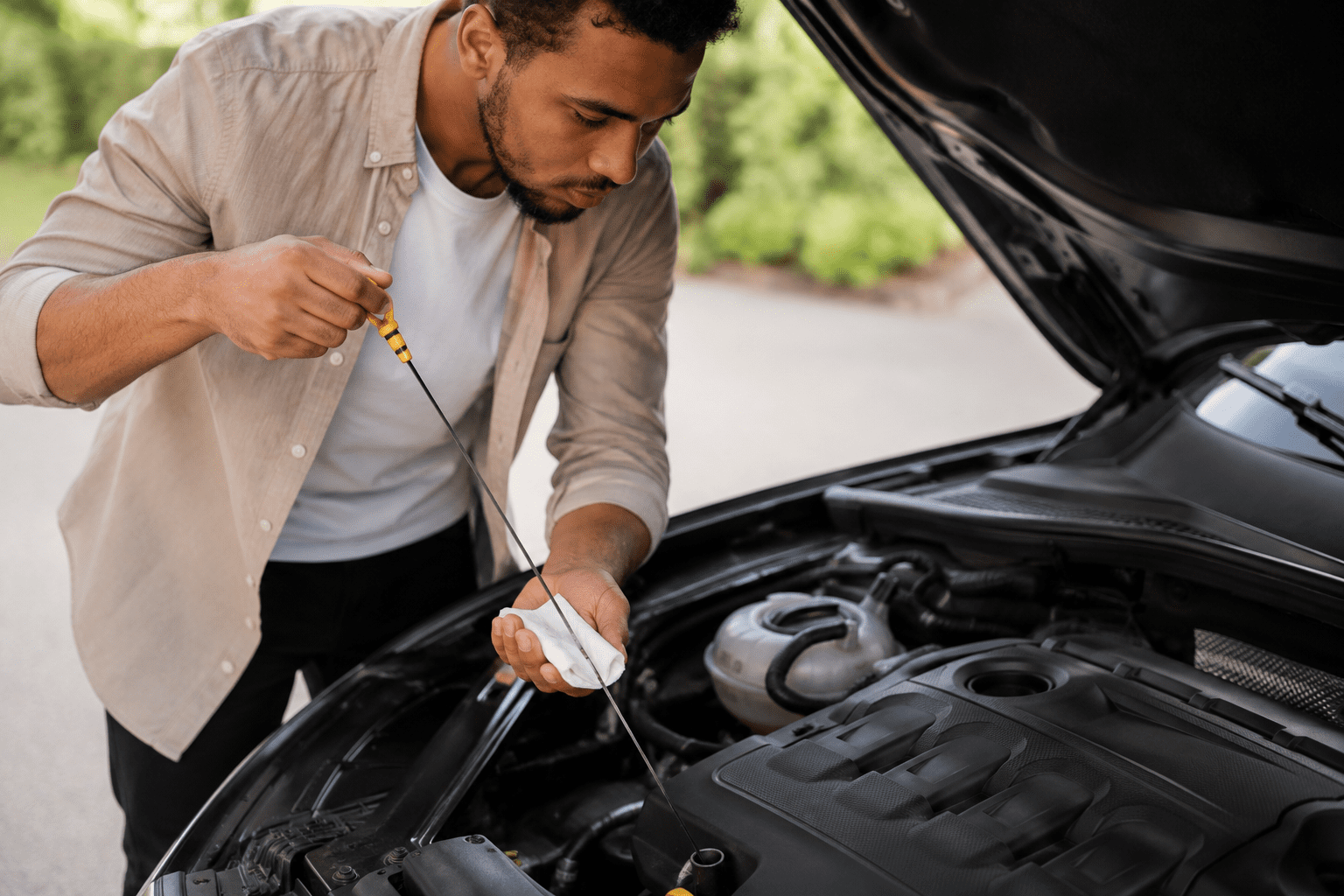
Engine oil helps keep your engine running smoothly by lubricating moving parts. If oil levels get too low, it can damage your engine through overheating, contaminant buildup, and increased friction. This will make the engine work harder, leading to more fuel consumption over time.
To check your oil, make sure your engine is cool, and your car is parked on level ground. Wipe the dipstick clean, reinsert it and pull it out again. The oil level should sit between the minimum and maximum marks.
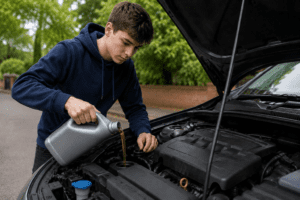
To top up your engine oil, remove the oil filler cap and use a funnel to add a small amount of oil at a time. You should check your owner’s handbook to find the type of oil your vehicle needs.
Your engine oil should also be regularly changed as part of routine servicing.
Top up essential fluids
There are several essential fluids that help to keep everything running smoothly. Low fluid levels can cause overheating, poor visibility, and reduced braking performance.
The main fluids you should keep an eye on are:
Coolant – Coolant helps to regulate engine temperature. To check coolant levels, park on a flat surface and let the engine cool completely. Locate the white plastic coolant tank under the bonnet and check that the fluid sits between the minimum and maximum markings – top up if needed. Most cars will also show a dashboard warning light if coolant levels are too low.
Brake fluid – Brake fluid supports your braking system and helps your brakes work properly. Park on a flat surface and locate the brake fluid reservoir, usually marked with a brake warning symbol on the cap. Check that the fluid level sits between the minimum and maximum lines before topping up if needed. If the fluid looks very dark, it may need replacing rather than topping up. A dashboard warning light may also appear if levels are low.
Screen wash – Screen wash keeps your windscreen clean and clear. To top up your screen wash, locate the reservoir under the bonnet, usually marked with a windscreen symbol, and add more as necessary.
Keep an eye on your battery
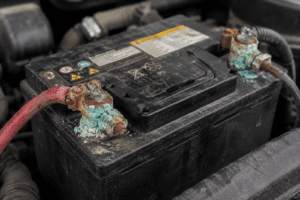
The battery starts the engine, so it’s important to keep it in good working order! Check the terminals for any signs of corrosion, dirt, or loose connections. Build-up around the terminals can affect performance over time.
Replace worn wiper blades
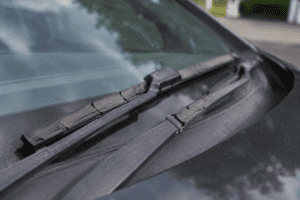
Wiper blades that are worn, cracked, or split won’t clear your windscreen properly. This can lead to reduced visibility, particularly when driving in wet conditions.
If you notice smearing, squeaking, or areas of the windscreen not being cleared properly, it’s usually a sign they need replacing.
Test your lights
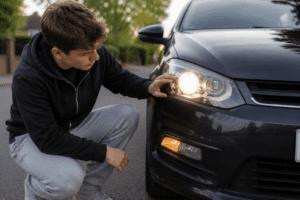
Your lights are essential for seeing the road clearly and making sure other drivers can see you, too. You should regularly check your headlights, brake lights, indicators, hazards, rear lights, and fog lights.
To check your car lights, turn on the ignition and ask a friend to walk around the car while you test each light in turn. If a bulb is out, you can usually replace it yourself or take your car to a local garage to have it changed.
Keep your windscreen clear
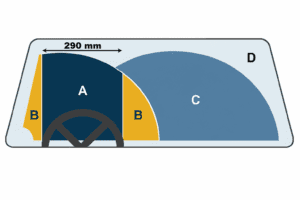
Obviously, you need to be able to see through your windscreen when driving! As well as keeping it clean and clear, you should regularly check for any chips or cracks. These can spread over time and become more serious if they’re not dealt with early. Your car will also fail an MOT if a chip or crack is over 40mm in size, or if it’s 10mm and within the driver’s direct line of sight (known as Zone A).
Clean the interior and exterior
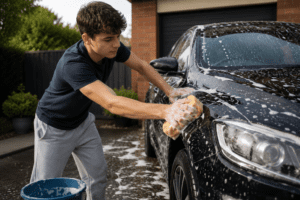
Keeping your car clean is always nice, but it’s also an essential part of basic maintenance. Regular washing helps prevent corrosion and keeps your number plates clear and legible.
Inside the car, it’s just as important to stay on top of cleanliness. Loose items or clutter can become a distraction, roll under the pedals, or affect your ability to see clearly through the windows and mirrors.
Seasonal car maintenance
Different seasons and driving conditions can affect how your car performs. You should complete all basic maintenance checks throughout the year, but certain areas become even more important during certain seasons.
Winter checks – Cold weather can be tough on your car, so pay extra attention to tyre pressure, battery health, and consider using winter tyres if conditions are particularly harsh.
Summer checks – Higher temperatures can affect tyre pressure and engine performance, so check your tyres regularly and make sure your coolant levels are correct to help prevent overheating.
Wet weather checks – Wet roads can reduce grip and visibility, so check your tyre tread depth and make sure your wiper blades are working effectively.
Learn more about taking care of your car
At TyreSafe, we’re dedicated to raising awareness of the importance of tyre safety and keeping you prepared for every journey.