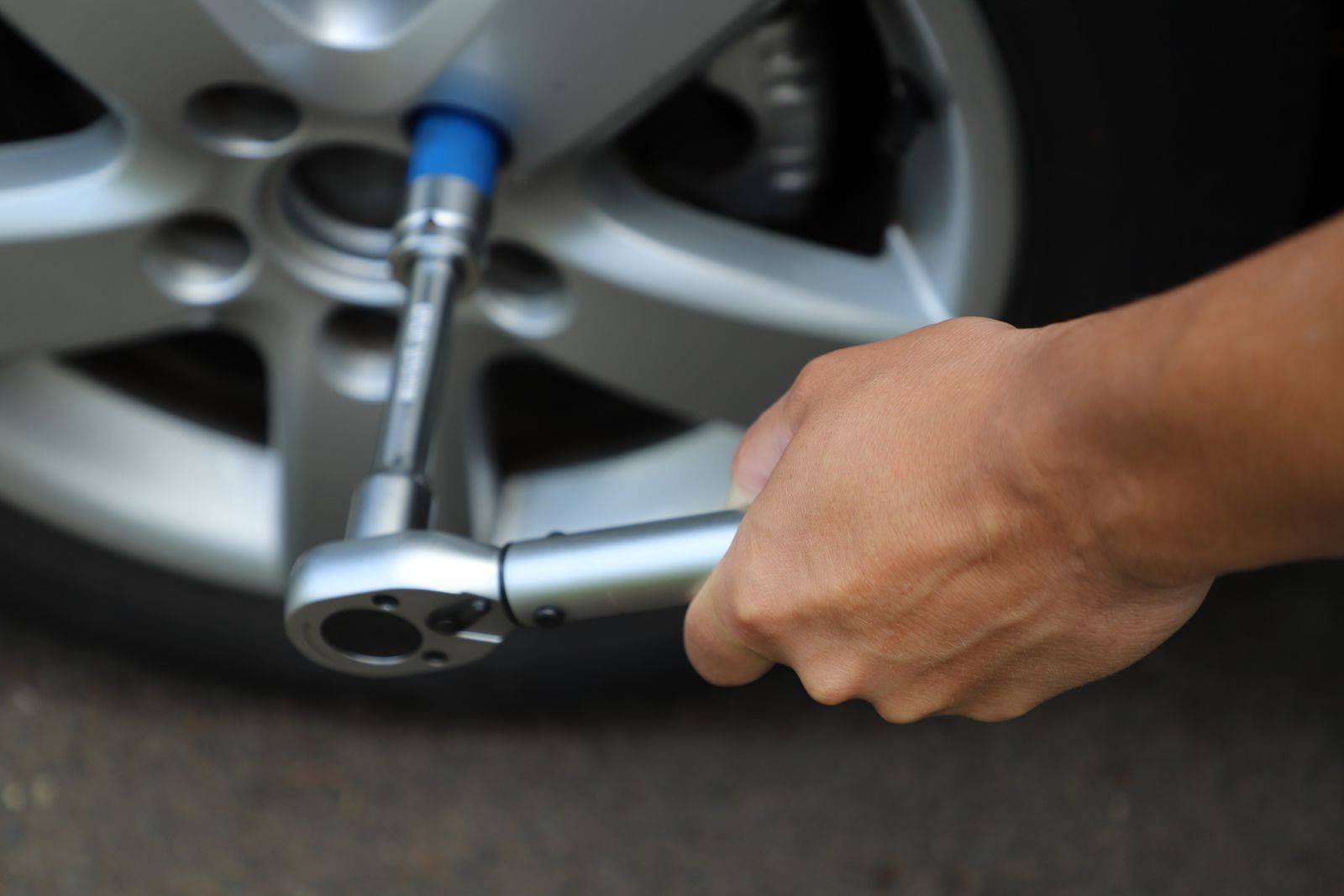
Why correct wheel torque matters when it comes to keeping vehicles safe on the road
Most people know the importance of checking tyre pressure, tread depth and overall condition. But there’s another essential safety factor that can easily be overlooked when it comes to tyre safety and that is wheel nut torque.
Whether you’re responsible for a fleet of vehicles, maintaining heavy goods vehicles (HGVs), working in roadside assistance or simply looking after your own car, ensuring wheels are correctly secured is an important part of vehicle safety.
Incorrectly tightened wheel nuts or bolts can lead to serious problems, from damaged components and costly repairs to wheel loosening and potentially dangerous incidents on the road.
Understanding torque, why it matters and how to check it correctly can help keep vehicles, drivers and other road users safe.
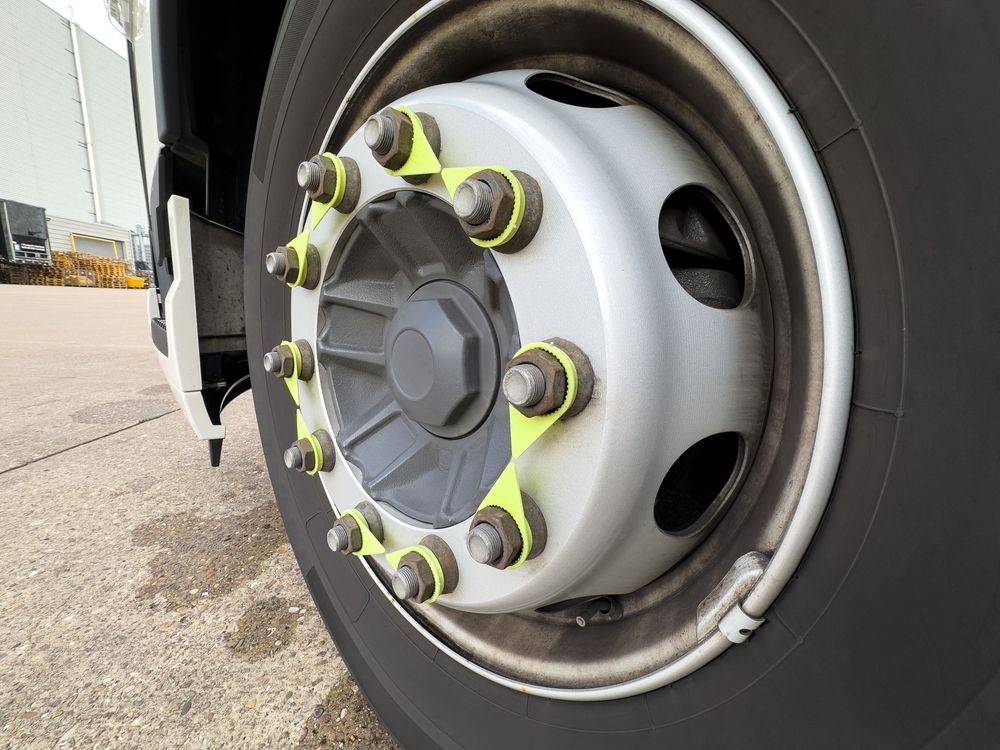
What is torque?
In short, torque is the rotational force applied when tightening a wheel nut or bolt.
When a wheel is fitted to a vehicle, its nuts or bolts must be tightened to a specific torque setting recommended by the vehicle or wheel manufacturer.
This helps create the correct clamping force needed to hold the wheel securely against the hub.
It’s not simply a case of tightening wheel nuts as much as possible. Both under-tightening and over-tightening can compromise wheel safety.
Using the correct torque specification, appropriate equipment and recommended tightening procedure helps ensure wheels remain securely fitted without causing unnecessary damage to components.
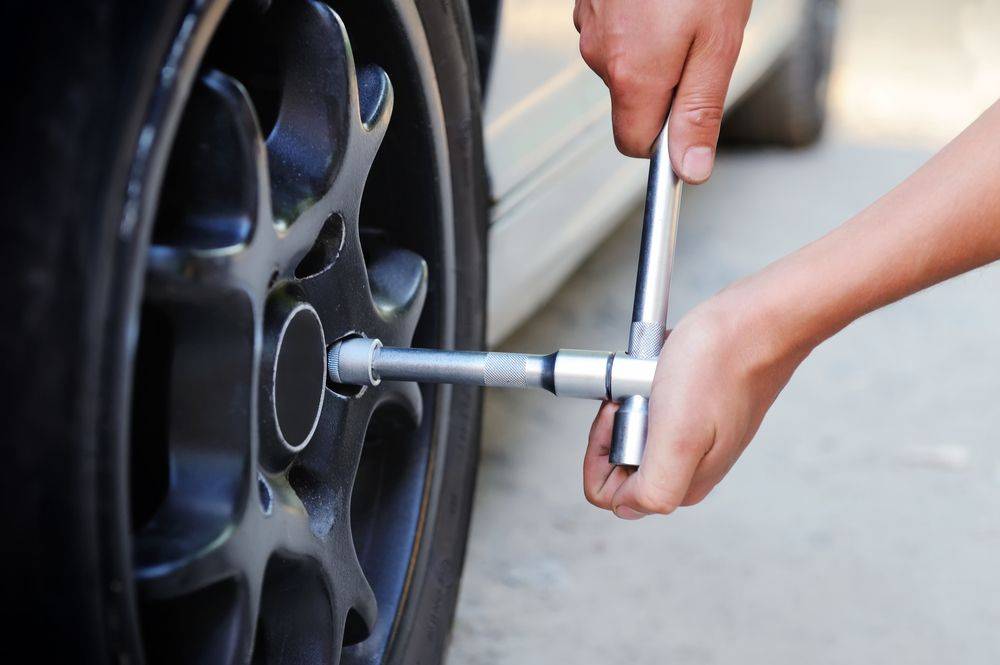
What happens if the torque is incorrect?
Too little torque
If wheel nuts or bolts aren’t tightened sufficiently, they may not provide the clamping force required to keep the wheel securely attached.
This can cause movement between the wheel and hub, potentially loosening fasteners over time.
In severe cases, insufficient torque can contribute to wheel detachment, creating a serious risk to the driver and other road users.
Too much torque
Over-tightening wheel nuts can be just as problematic.
Excessive torque can stretch or damage wheel studs, bolts and threads, potentially weakening components and making future wheel removal or maintenance more difficult.
It can also damage wheel mounting surfaces and other components.
Correct torque
Applying the manufacturer’s specified torque helps achieve the intended clamping force without placing excessive stress on the fasteners.
This supports wheel security, protects components, and reduces the risk of avoidable wheel-related incidents.
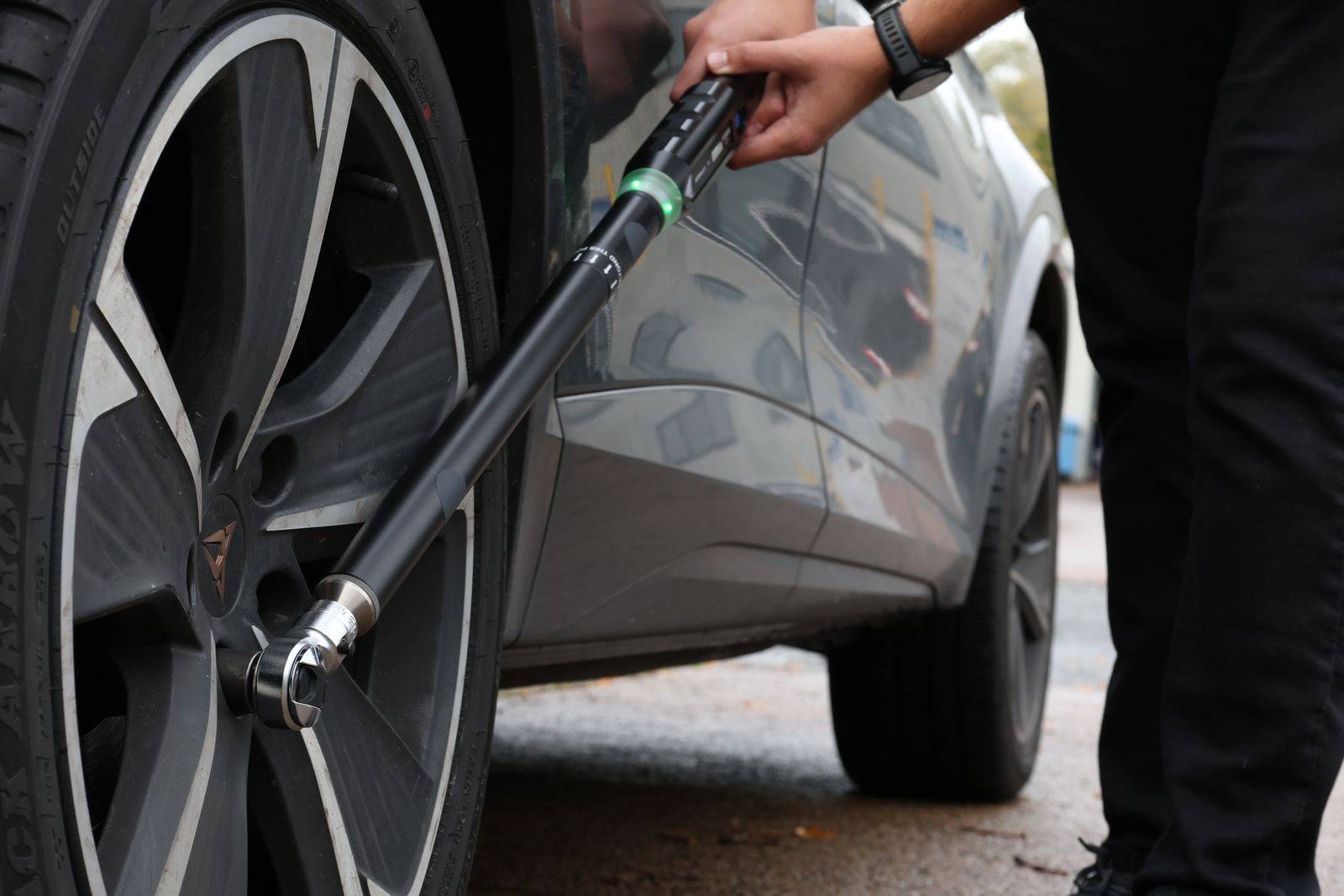
Why is correct wheel torque important?
Wheel security is essential for ensuring the safety of a vehicle.
Every journey places demands on a vehicle’s wheels, particularly when braking, accelerating, cornering or travelling over uneven road surfaces.
Correct wheel torque helps maintain a secure connection between the wheel and hub, reducing the risk of wheel movement, loosening or component damage.
How often should wheel torque be checked?
Wheel torque checks are particularly important whenever a wheel has been removed, replaced or refitted.
This includes common maintenance activities such as:
- Tyre replacements: Whenever you fit new tyres and reinstall the wheels.
- Wheel changes: After removing or replacing a wheel.
- Brake maintenance: When wheels have been removed to access braking components.
- Tyre rotations: After repositioning wheels as part of routine maintenance.
- Routine inspections: As part of an appropriate vehicle maintenance and wheel security programme.
Depending on the vehicle and the manufacturer’s guidance, a further torque check may also be required after a specified distance following wheel installation.
For some vehicles, this may be approximately 50 – 100 miles (80 – 160 km), although requirements vary. Always follow the relevant manufacturer’s instructions and any applicable fleet maintenance procedures.
For commercial vehicles and HGVs, wheel security checks are especially important because of the loads, distances, and operating conditions involved.
How to check wheel torque correctly
Checking wheel torque requires more than simply making sure the nuts feel tight.
Following the correct procedure and using suitable equipment helps ensure you apply the required torque accurately.
-
Find the correct torque specification
Before tightening any wheel nuts or bolts, check the torque specification provided by the vehicle or wheel manufacturer.
Torque settings vary depending on the vehicle, wheel design and fasteners used.
These specifications are typically measured in Newton metres (Nm) or pound-feet (lb-ft).
Never assume that the same torque setting applies to every vehicle.
-
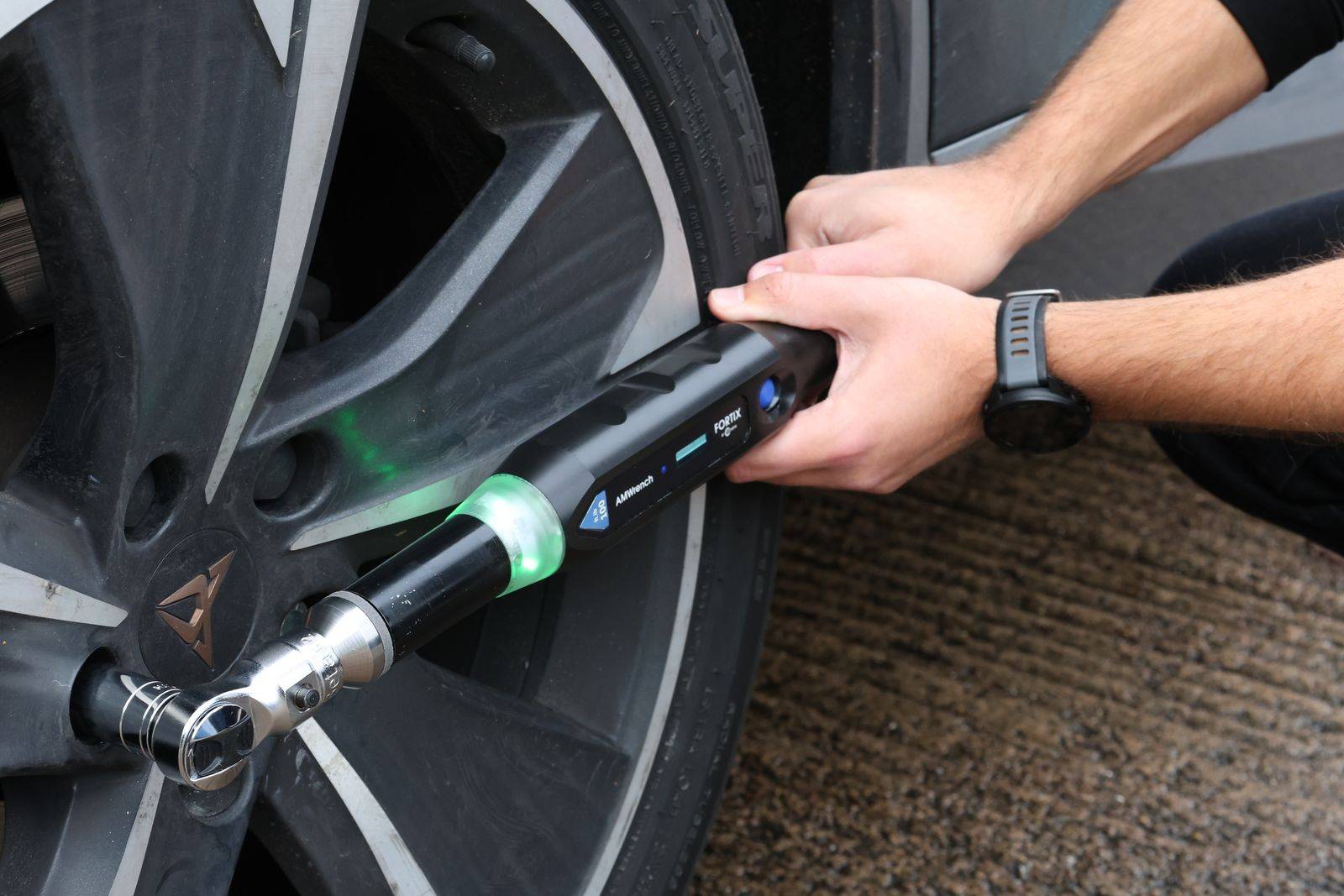
Use a suitable torque wrench
A calibrated torque wrench allows the correct tightening torque to be applied in a controlled and measurable way.
Using the right equipment is essential, particularly when working with safety-critical components such as wheel fasteners.
Ensure the torque wrench is suitable for the required torque range and is maintained and calibrated according to the manufacturer’s recommendations.
-
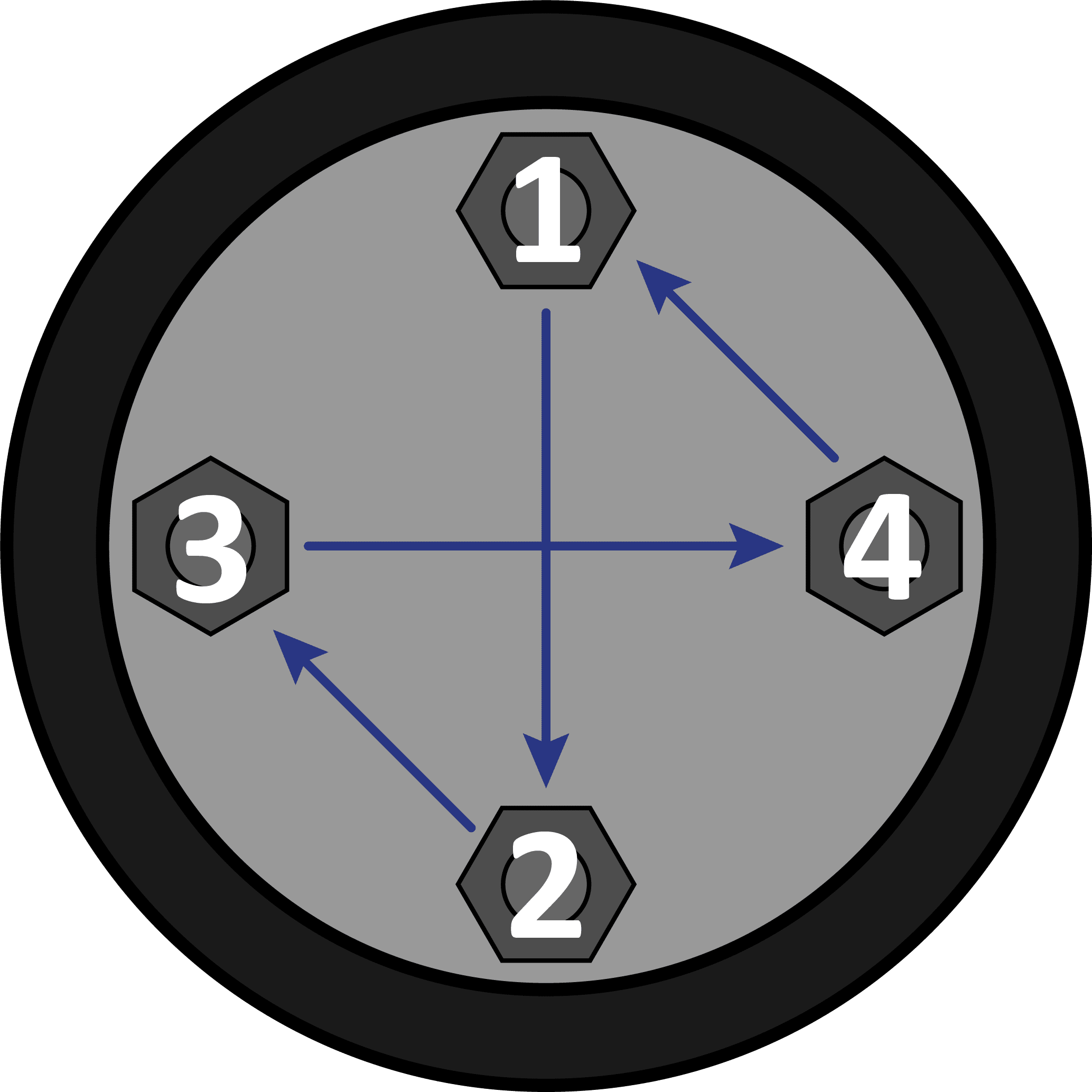
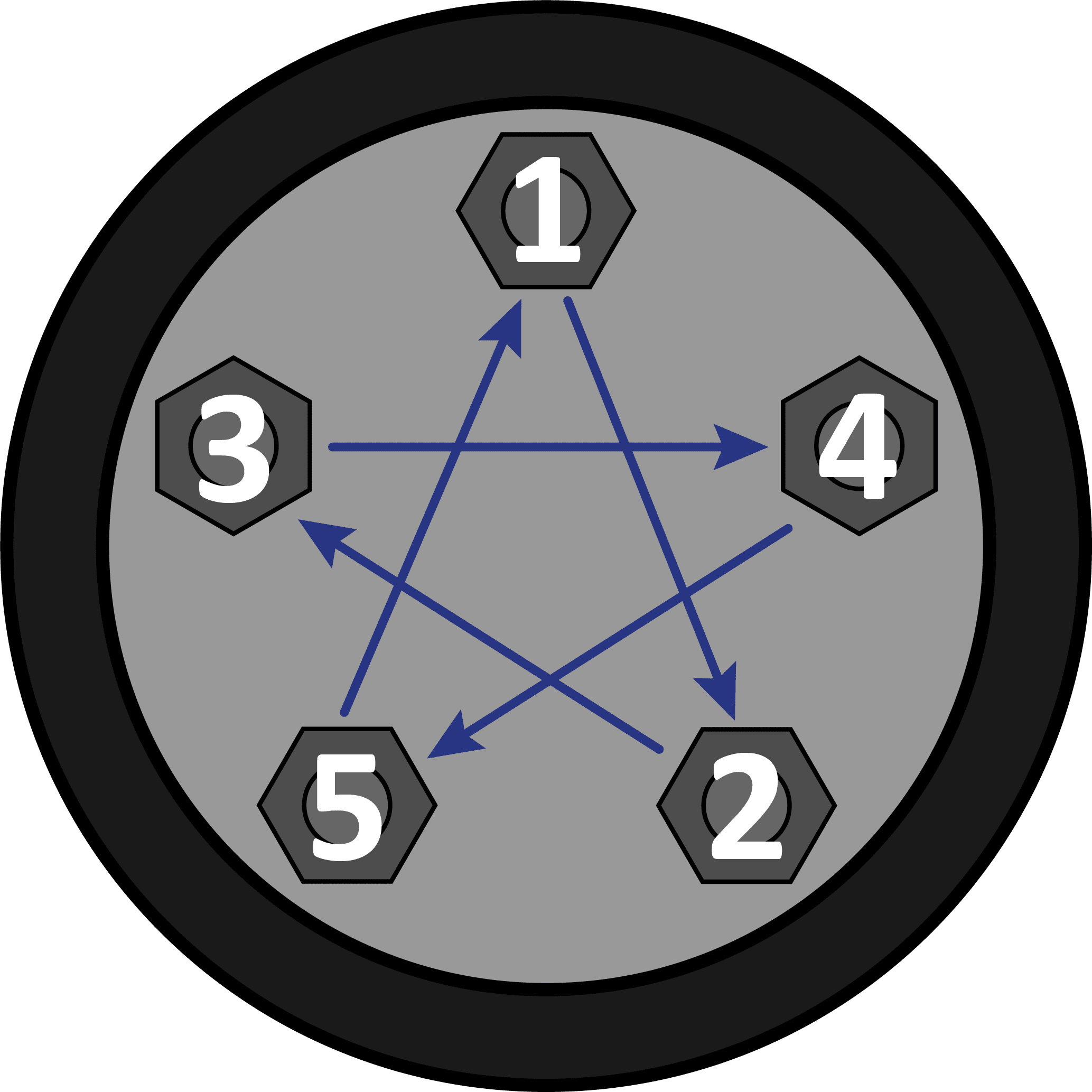
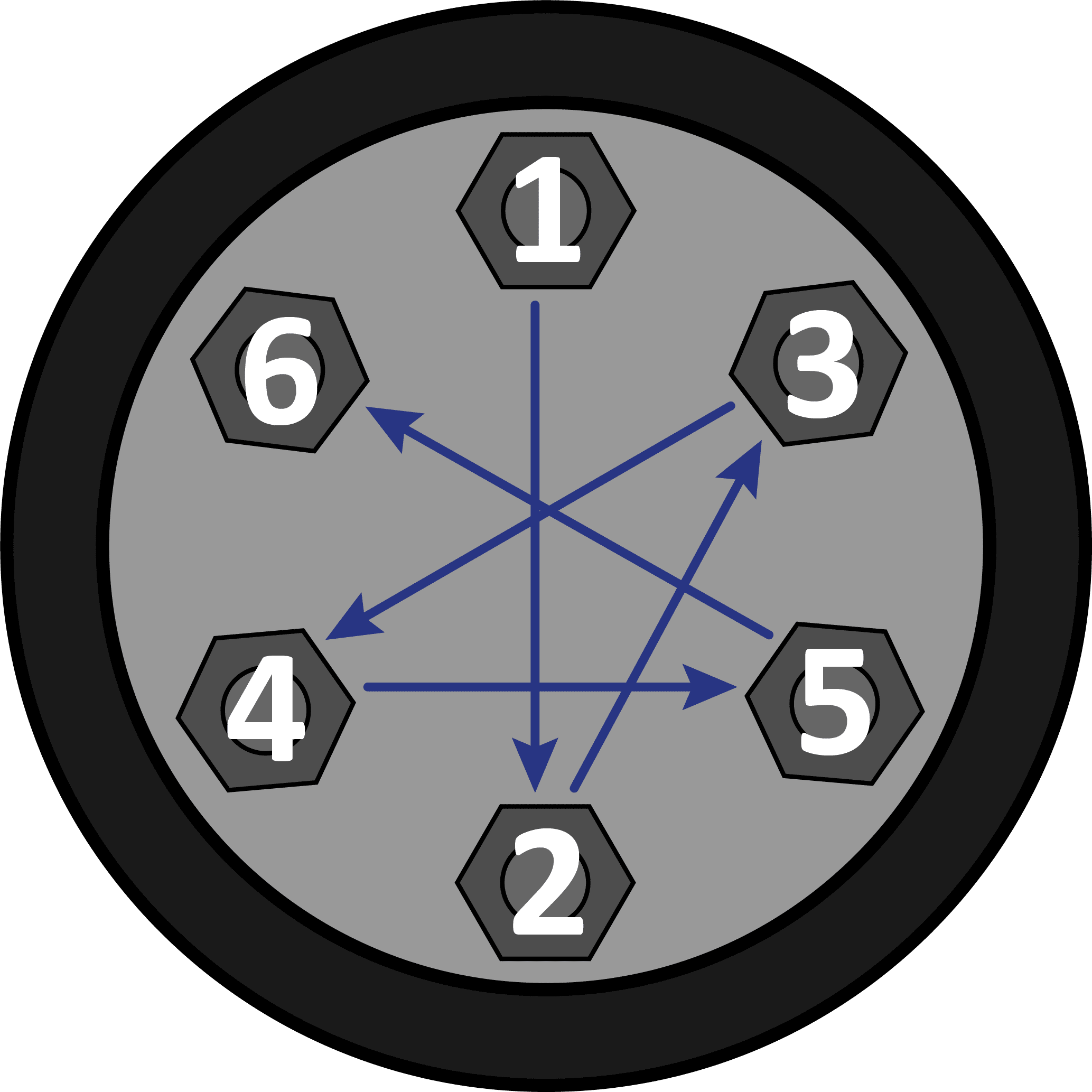
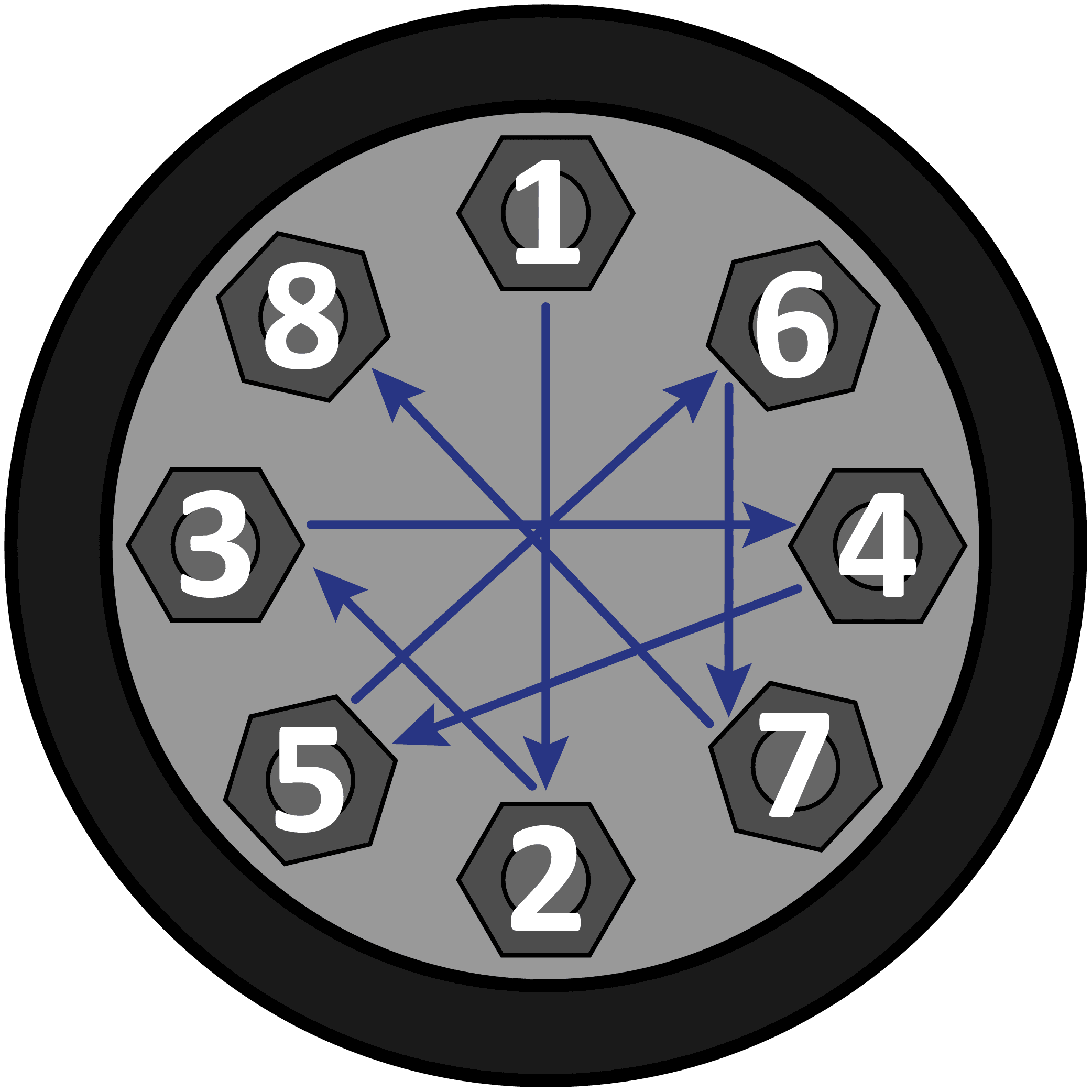
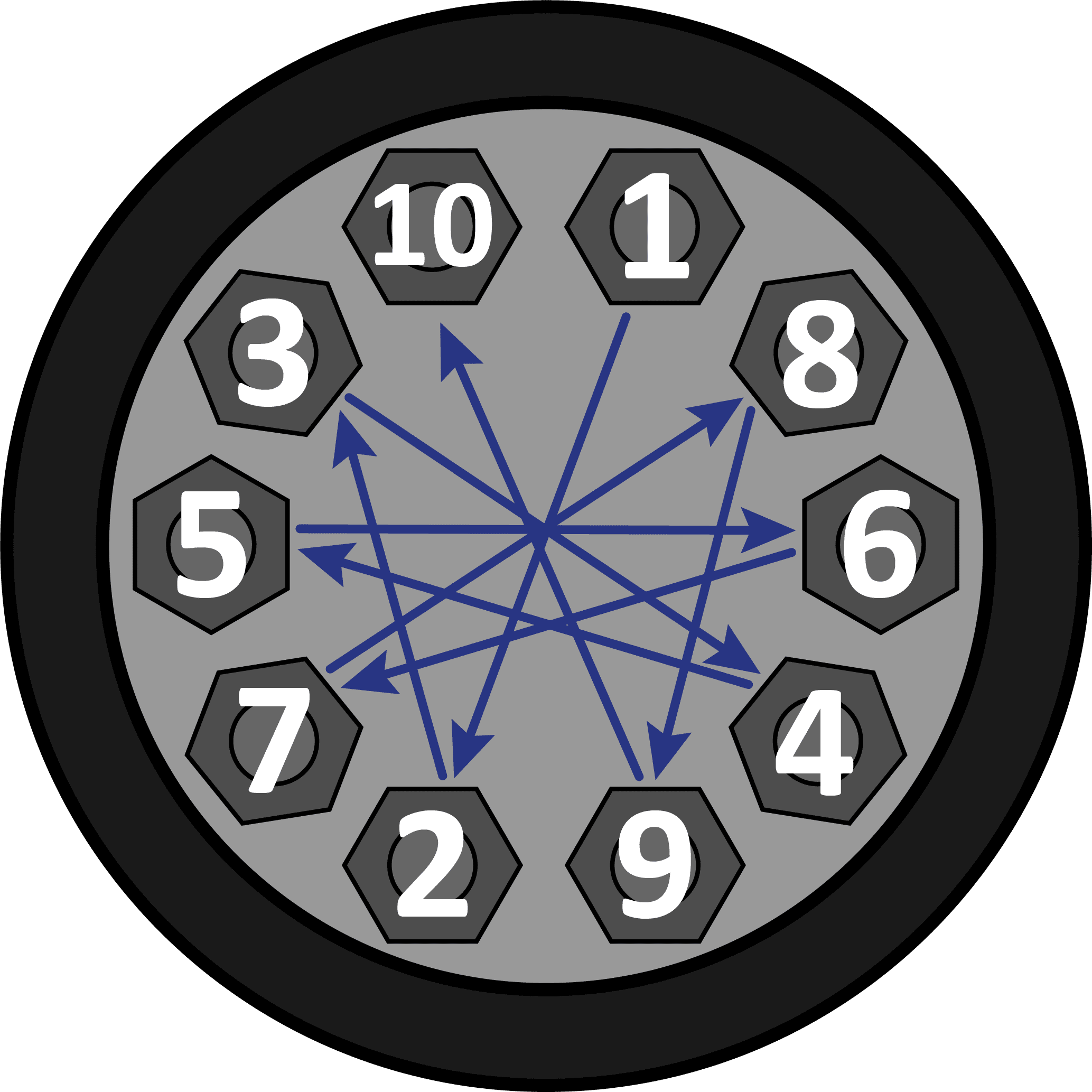
Follow the correct tightening sequence
Wheel nuts or bolts should be tightened in the sequence recommended by the manufacturer.
For many wheels with multiple fasteners, this involves a star or criss-cross pattern to help distribute the clamping force evenly.
Follow the specified tightening stages and complete the final tightening using the correct torque setting.
-
Recheck if recommended
Where the manufacturer or maintenance procedure requires a follow-up torque check, ensure this is carried out at the specified interval.
This can help identify changes in wheel fastening after installation.
Any loose, damaged or incorrectly fitted fasteners should be investigated and addressed before the vehicle returns to service.
How do I know if I need to check the wheel torque?
Although some wheel fastening problems may develop without obvious warning, there are signs that should never be ignored:
- Unusual vibrations
- Knocking noises
- Visible movement or damage around wheel fasteners
Drivers should also remain alert to any changes following tyre replacements, wheel changes or maintenance work.
If wheel security is suspected to be compromised, the vehicle should be stopped safely and inspected by a competent professional before continuing the journey.
Regular visual inspections and correct maintenance procedures remain essential, as not all wheel security problems produce noticeable symptoms.
Make torque part of your wheel safety routine
Remember the three key areas of tyre and wheel safety
A.C.T. – Air Pressure, Condition, and Tread.
Each plays an important role in keeping vehicles safe and roadworthy.
While tyre pressure, condition, and tread help maintain grip, handling, and performance, checking torque forms a vital part of your routine condition checks. While you are checking the condition of your tyre, don’t forget to check your wheel nuts aren’t loose or missing. If they are, tighten them by hand using the wheel brace in the vehicle, then take it immediately to a garage to have them properly checked and torqued to the correct tightness.
TyreSafe Partners with Fortix
TyreSafe acknowledges the help and support of Fortix in the compilation of this advice.
Read more about our partnership with Fortix