How one employer put staff tyre safety first
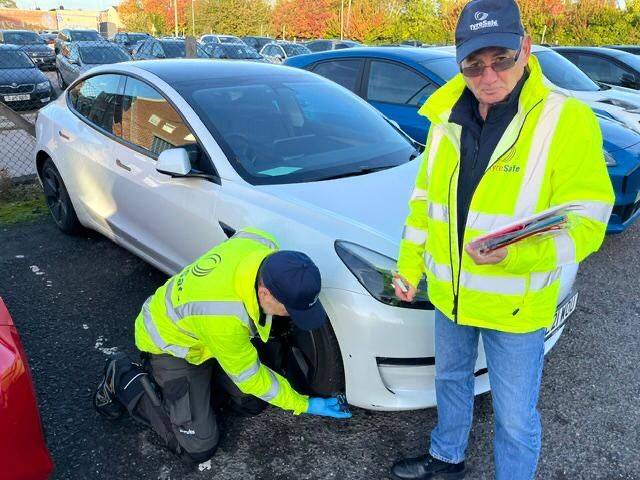
In autumn 2026, TyreSafe worked with a large employer in the North West to check the tyres on more than 100 staff vehicles in a single day. 99% had legal tread on every tyre, and more than half needed no advice at all.
The check was run jointly. A TyreSafe team worked alongside the employer’s own staff, who were trained to carry out checks on the day. More than half the vehicles were grey fleet: privately owned cars that staff also use for work journeys. Employers often have little visibility of the condition of these vehicles, despite their duty of care for staff driving for work.
The results
| Result | All vehicles | Grey fleet |
| Legal tread on all four tyres | 99% | 100% |
| No advice needed | 54% | 61% |
| All tyres above 3mm | 65% | 74% |
| No tyres 10+ years old | 89% | 85% |
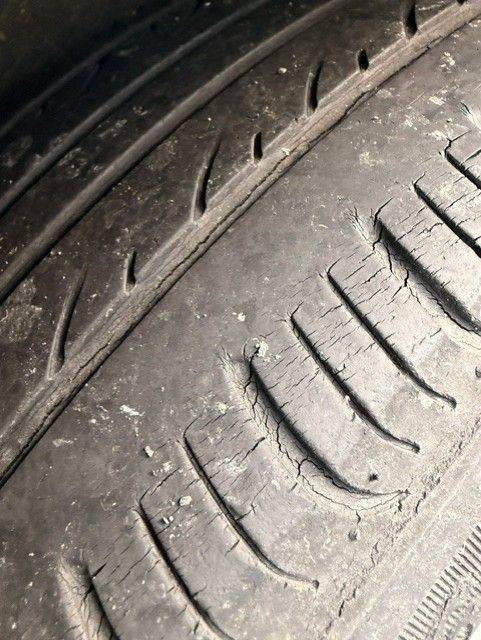
| No cuts, cracking or damage | 84% | 85% |
Across more than 400 tyres, 86% had more than 3mm of tread. Every grey fleet vehicle had legal tread on all four tyres.
Catching problems early
Nearly half of drivers were given advice, most of it an early warning rather than a fault. TyreSafe recommends replacing tyres at 3mm, well before the 1.6mm legal limit, because stopping distances in the wet get noticeably worse below 3mm. Most of the advisories were for tyres at exactly 3mm: still legal, but due for replacement soon.
The check also found problems that drivers had not spotted:
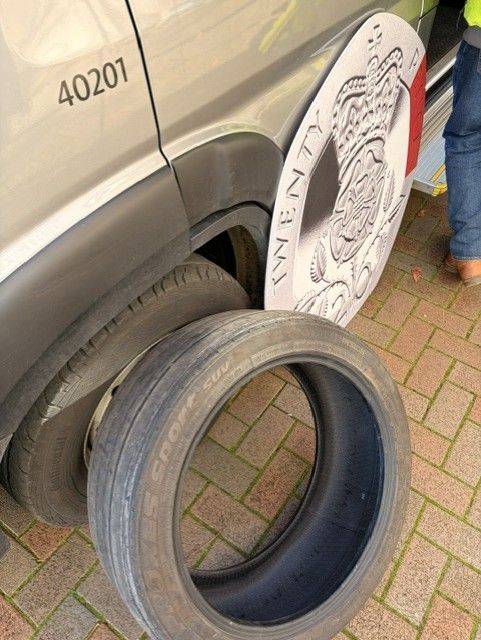
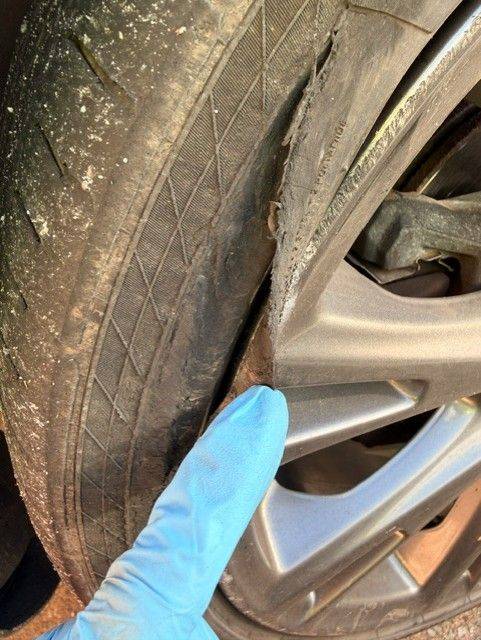
- An illegal car: a vehicle whose front tyres were worn below the legal limit on the inner edge, a typical sign of wheels out of alignment.
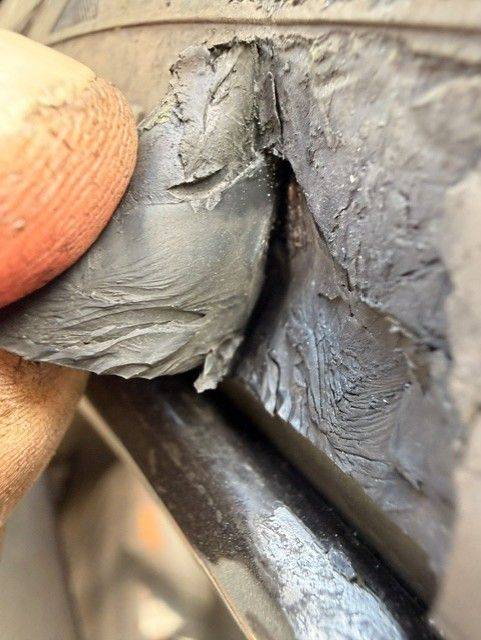
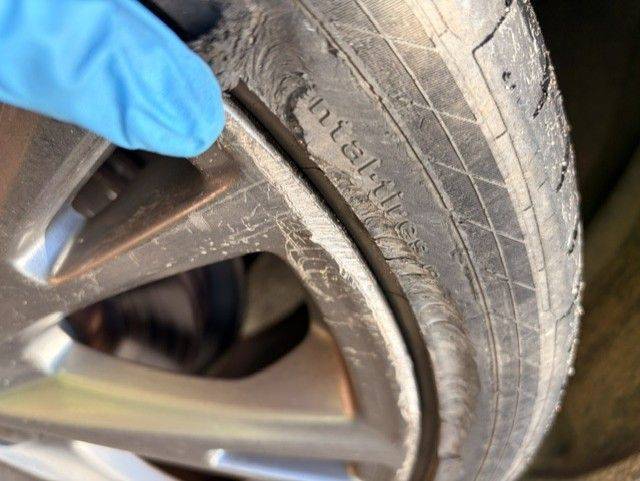
- A tyre that would fail an MOT: a sidewall cut deep enough to expose the cord.
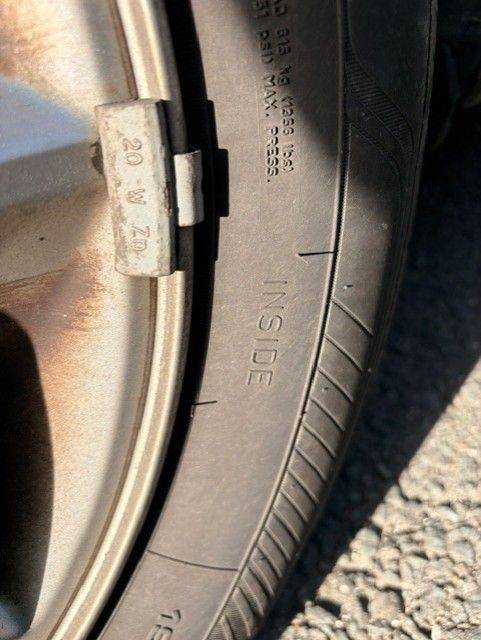
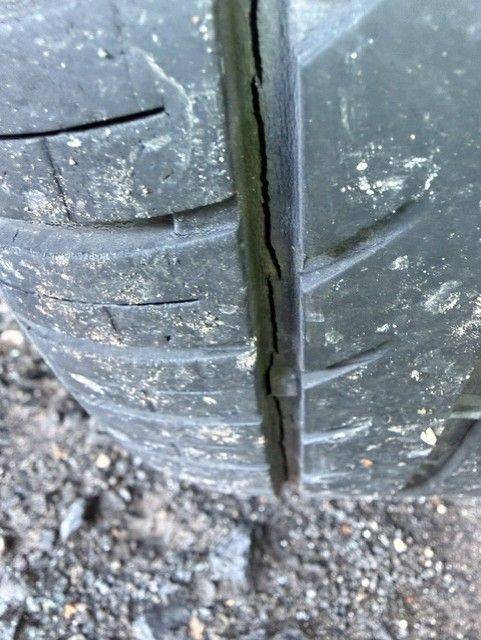
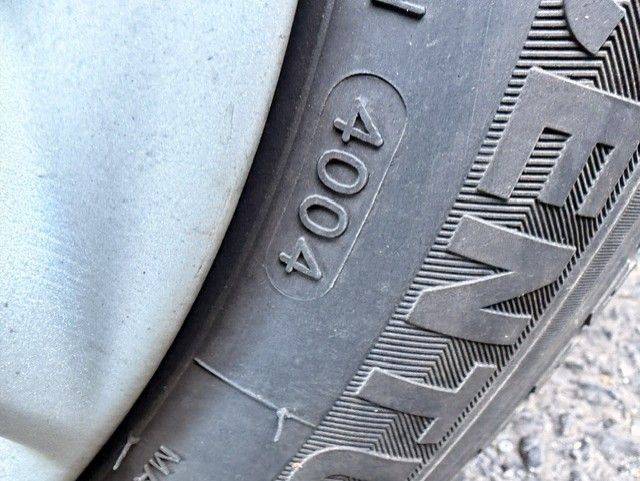
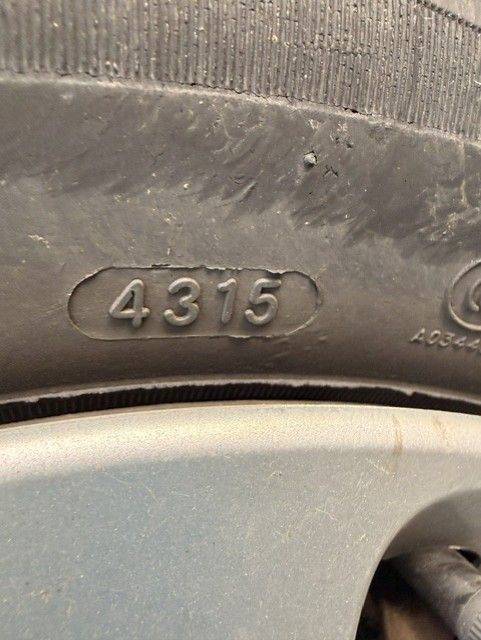
- Old tyres: 18 tyres were 10 or more years old, including one made in 2004. Rubber hardens and cracks with age, even with plenty of tread left.
- Newer cars aren’t exempt: almost half the cars aged three years or less had at least one tyre at 3mm or less, as their original tyres reached the end of their life.
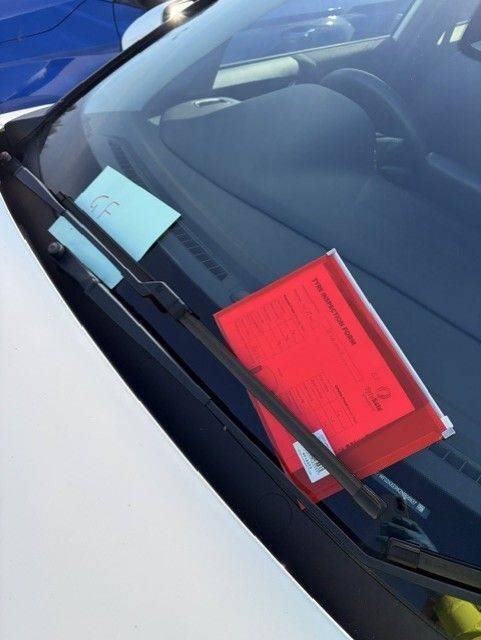
Each driver was left with guidance and a written inspection report detailing what needed attention, giving them the chance to fix it before it led to a breakdown, a fine or a collision.
Lessons for employers
- Check grey fleet, not just company vehicles. Staff-owned cars used for work fall under an employer’s duty of care, and a check day is a simple way to see their condition.
- Make 3mm the trigger, not 1.6mm. Encouraging staff to replace tyres at 3mm builds in a safety margin.
- Don’t forget tyre age and condition. Tread depth isn’t the only measure of a safe tyre.
- Build your own capability. Training your own staff to run checks makes repeat checks easy.
What staff told us
On the day, 41 staff filled in a short questionnaire about how they look after their tyres. Their answers explain why tyre problems go unnoticed, and they cover all three parts of TyreSafe’s ACT check: Air pressure, Condition and Tread.
- Regular checks: only 29% checked their tyres at least once a month.
- Air pressure: more than a quarter didn’t know the correct tyre pressure for their vehicle.
- Condition: 42% weren’t sure how to spot damage to their tyres.
- Tread: two-thirds rarely or never checked their tread, and a third didn’t know the legal minimum tread depth.
The day made a difference. After the tyre check and information session, 93% said they were likely or very likely to check their tyres regularly.
Would you like to run a tyre check for your staff? Contact TyreSafe to find out how we can help.