Executive Summary
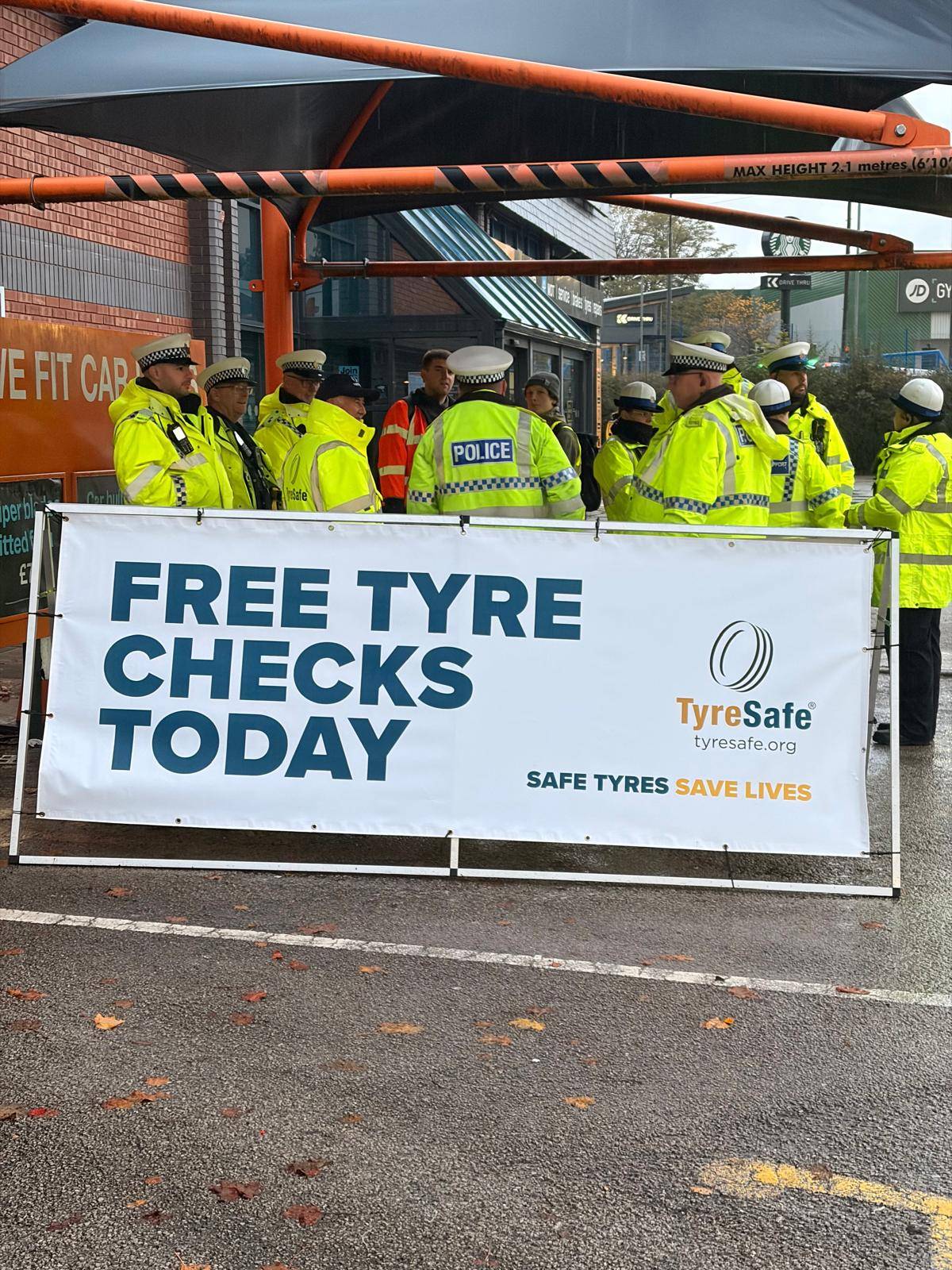
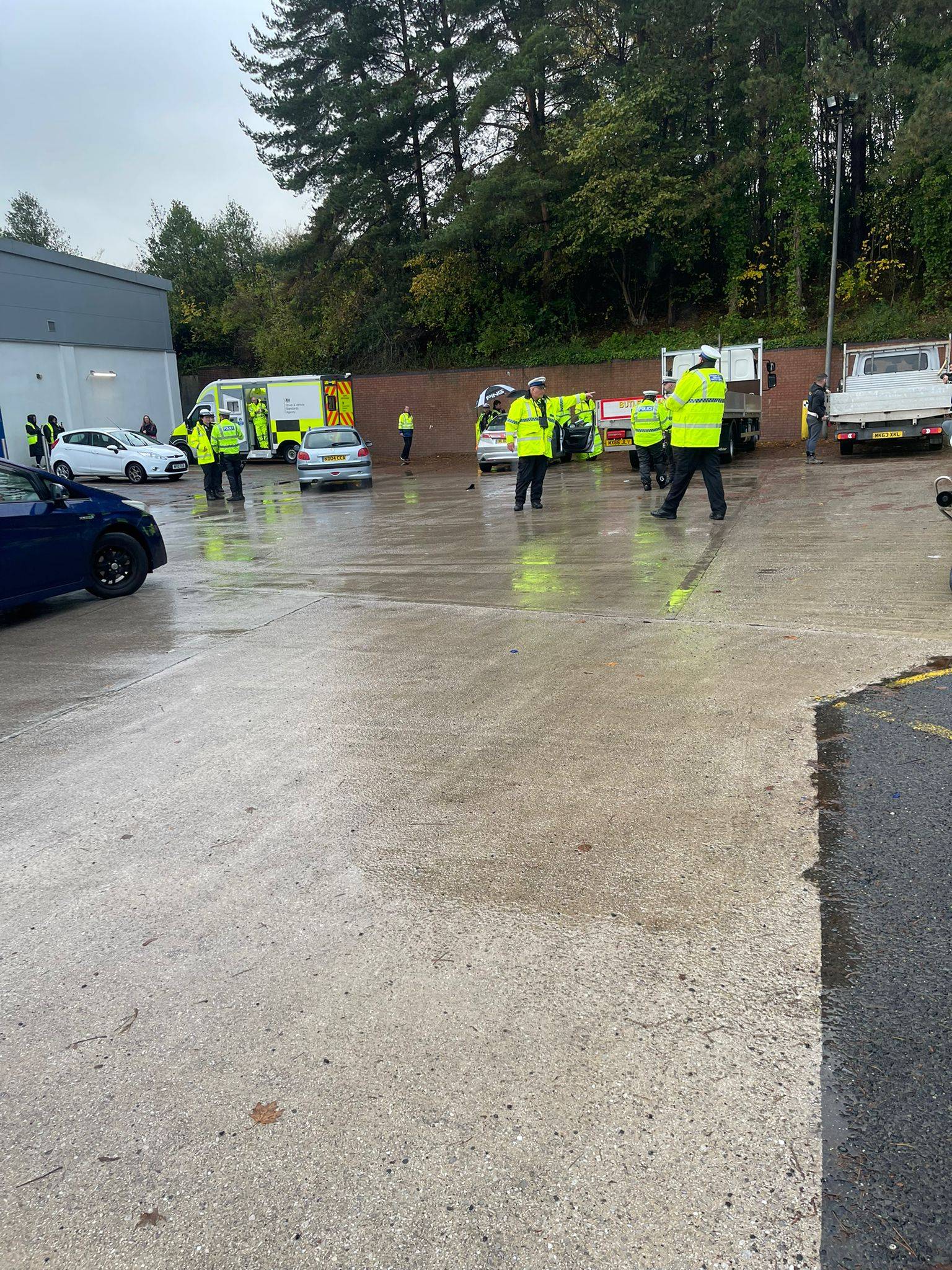
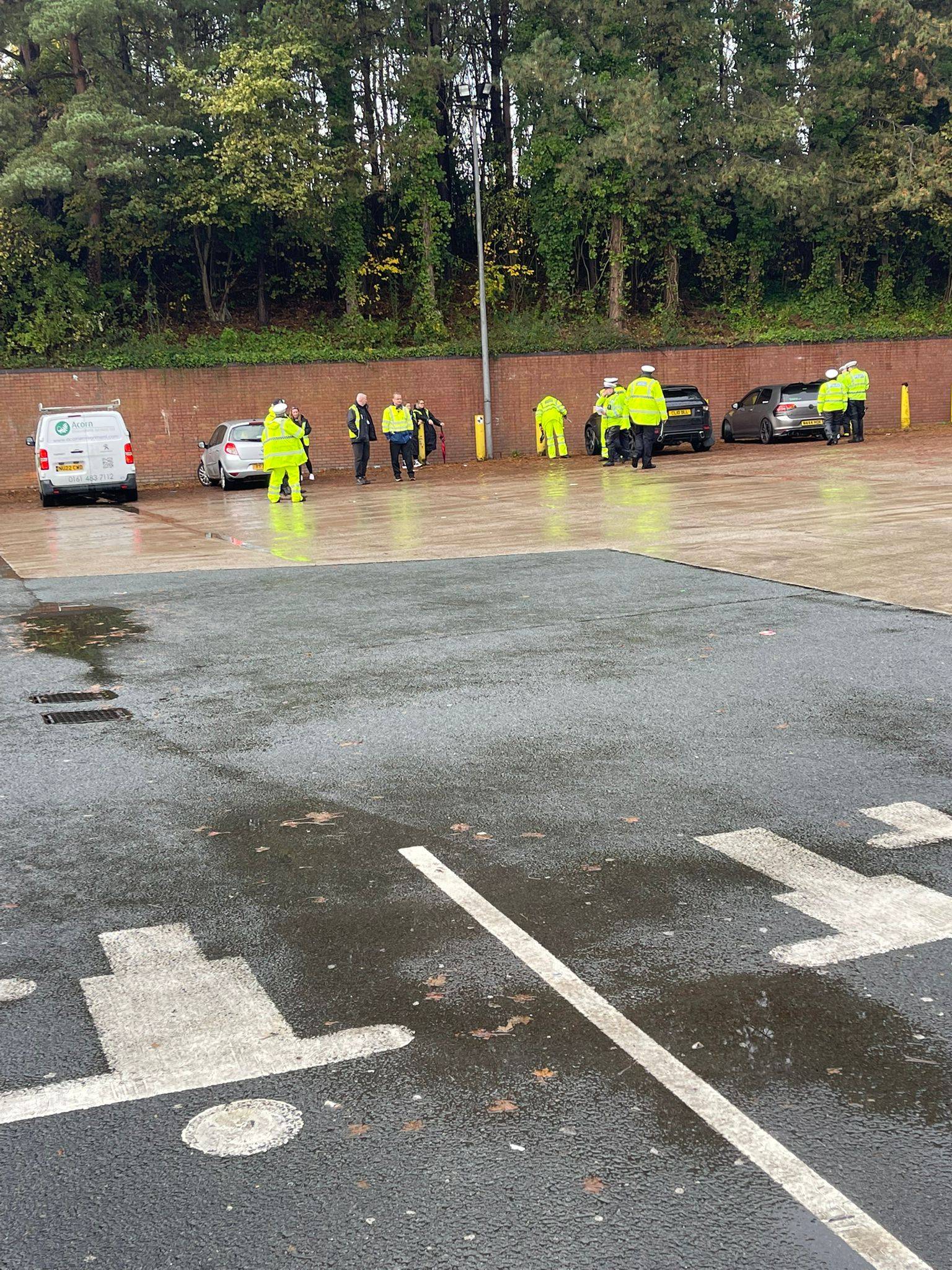
On a recent Friday 24th October, Greater Manchester Police (GMP), in collaboration with Safer Roads Greater Manchester (SRGM), the Driver and Vehicle Standards Agency (DVSA), Bolton Council, Halfords, and TyreSafe, conducted a targeted road safety enforcement operation in Bolton.
This initiative, referred to as “Operation ACT” (Air, Condition, Tread), focused primarily on the “hidden danger” of unsafe tyres, a known contributor to fatal and serious road traffic collisions.
Out of 137 vehicles stopped and inspected, the operation highlighted a significant rate of non-compliance, resulting in 54 total offences reported and 4 arrests for serious matters, demonstrating the effectiveness of proactive, multi-agency roadside checks in identifying both safety defects and underlying criminality.
-
Operation Overview and Context
1.1 Purpose and Partnership
The operation was conducted as part of Tyre Safety Month (traditionally October) and aimed to educate motorists while enforcing existing legislation regarding vehicle roadworthiness. The use of a designated check site in a Halfords car park allowed for rapid, thorough tyre inspections by police, DVSA, and Halfords technicians. The collaboration included;
- Greater Manchester Police (GMP) – Leading the stops and enforcement of wider driving offences (mobile phones, seatbelts, arrests).
- DVSA – Issuing immediate prohibition notices for serious vehicle defects.
- Bolton Council – Issuing suspension notices for certain vehicle infractions.
- Halfords & TyreSafe – Providing expert inspection services and educational material.
1.2 Scale of the Operation
- Total Vehicles Stopped – 137
- Inspecting Bodies – Police, DVSA, TyreSafe and Halfords
- Goal – Comprehensive checks of tyre safety (tread depth, condition, and pressure) alongside checks for other common driving and vehicle offences.
-
Analysis of Enforcement Outcomes
The operation revealed a concerning frequency of both vehicle defects and driver non-compliance across the 137 vehicles checked. A total of 54 distinct offences were reported, excluding the 3 council suspension notices and the 4 arrests.
2.1 Detailed TyreSafe Inspection Findings
TyreSafe conducted detailed inspections on a subset of 50 vehicles (200 tyres) to gather specific data on compliance. This targeted analysis revealed a high rate of technical defects, underscoring the necessity of the checks.
| Vehicle Type | Tyres Checked | Illegal (<1.6mm) | Borderline (1.6mm-2mm) | Total Non-Compliant | Rate of Non-Compliance |
| Cars (35 vehicles) |
140 |
6 (4%) | 6 (4%) | 12 |
9% |
| Vans (15 vehicles) |
60 |
1 (2%) | 3 (5%) | 4 |
7% |
| TOTAL (50 vehicles) |
200 |
7 (4%) | 9 (5%) | 16 |
8% |
This data shows that 8% of all tyres inspected were either illegal (below the 1.6mm minimum tread depth) or borderline (between 1.6mm and 2mm, warranting immediate replacement).
Critical Defects Identified
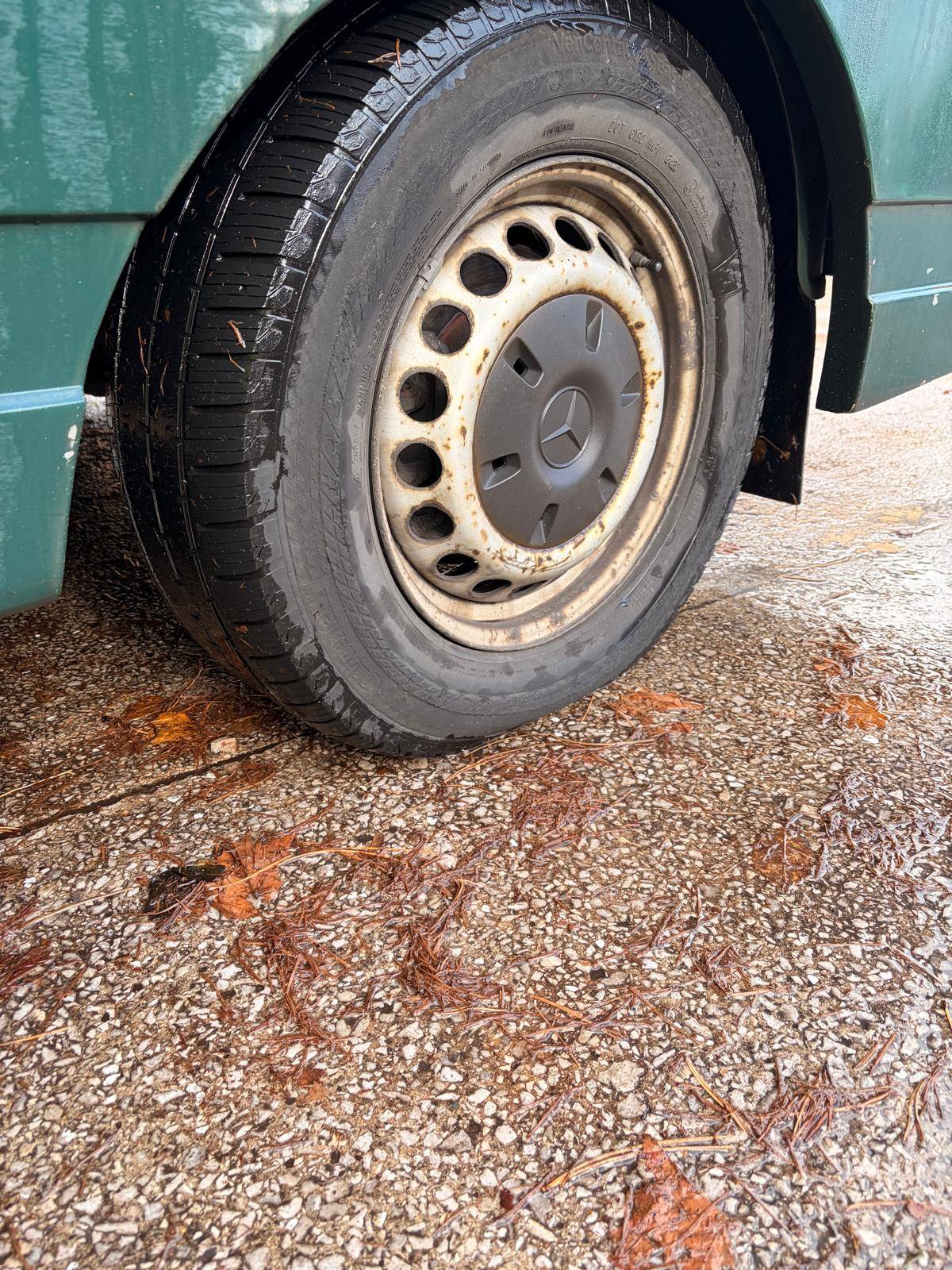
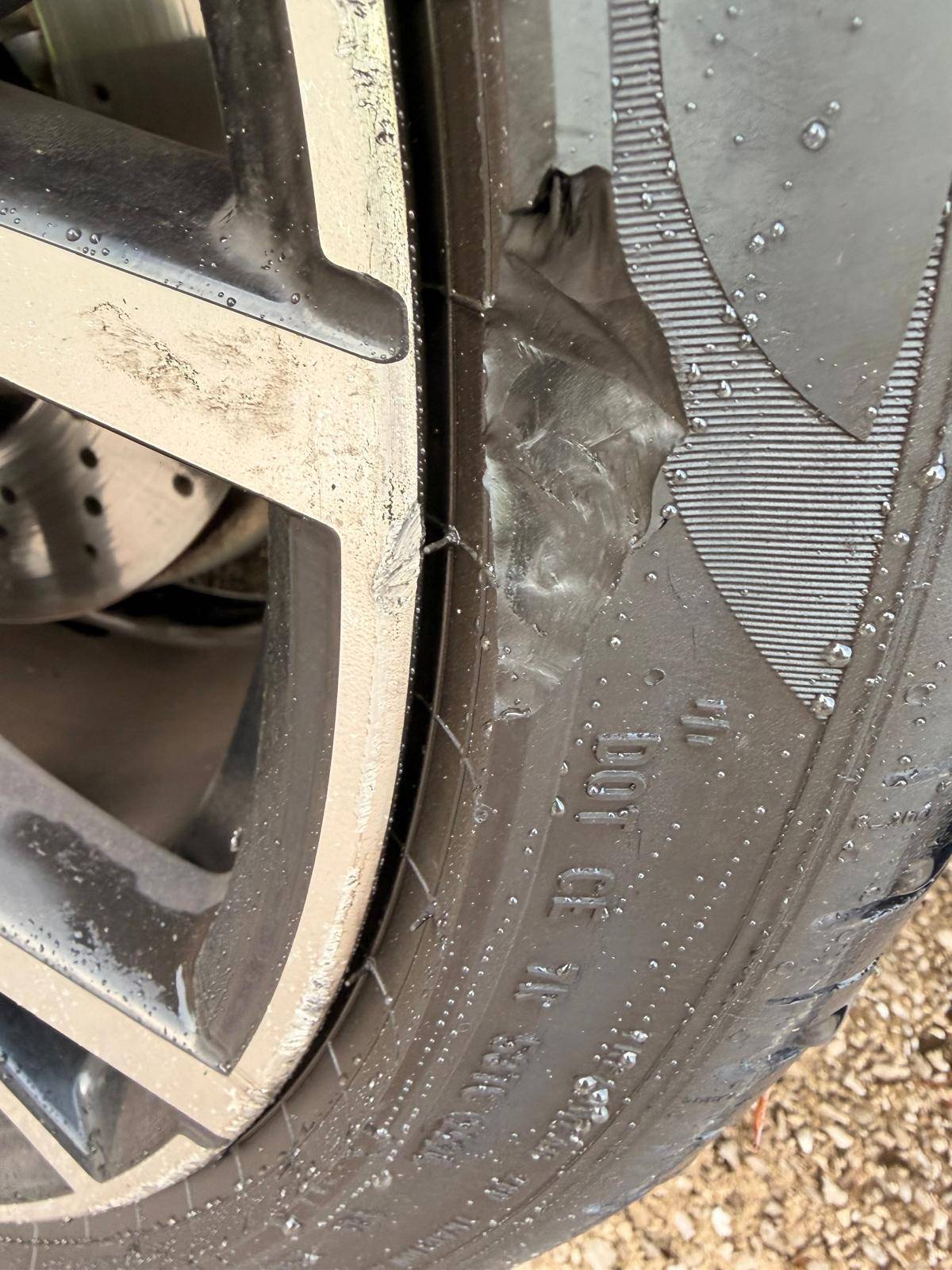
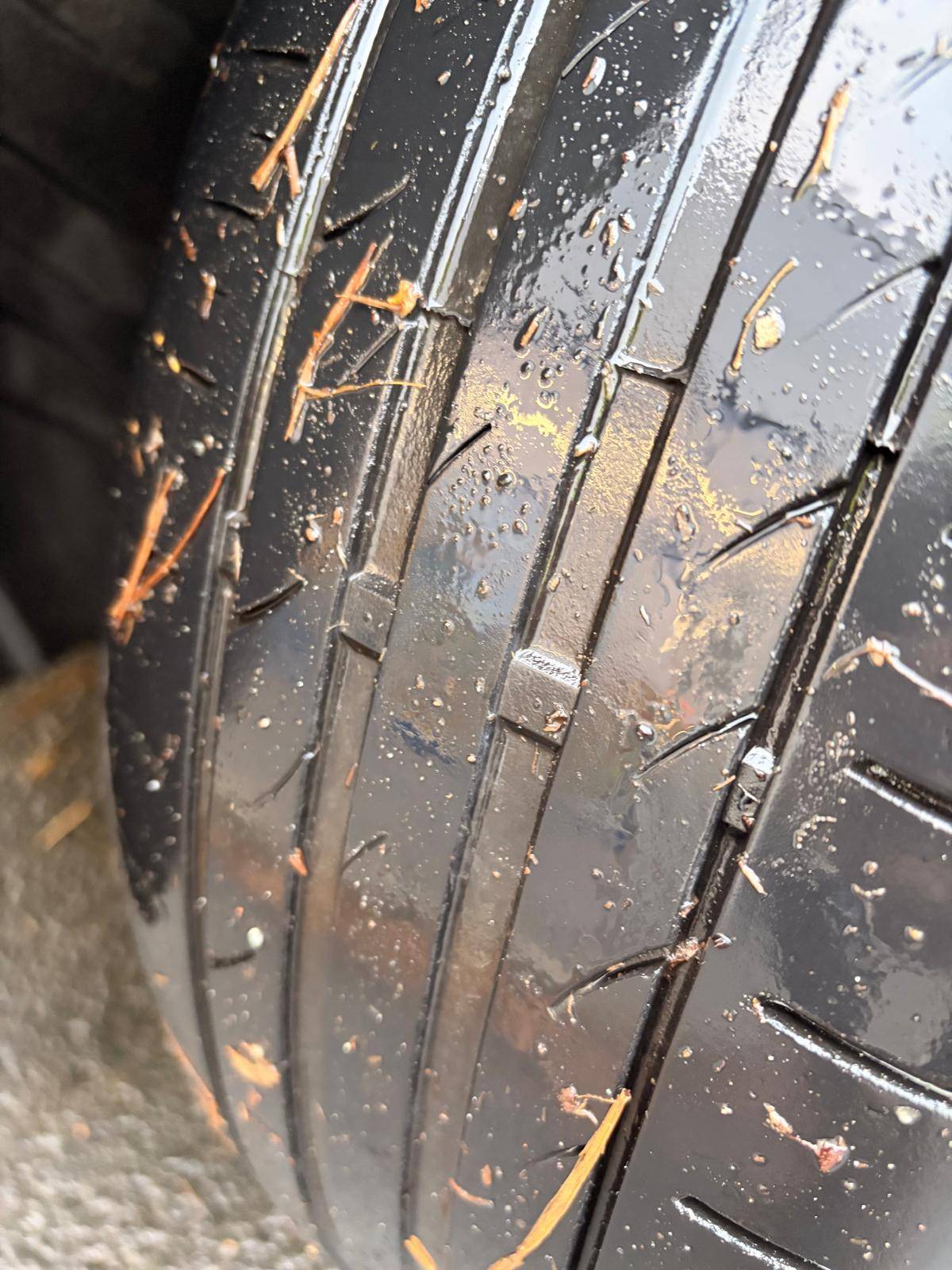
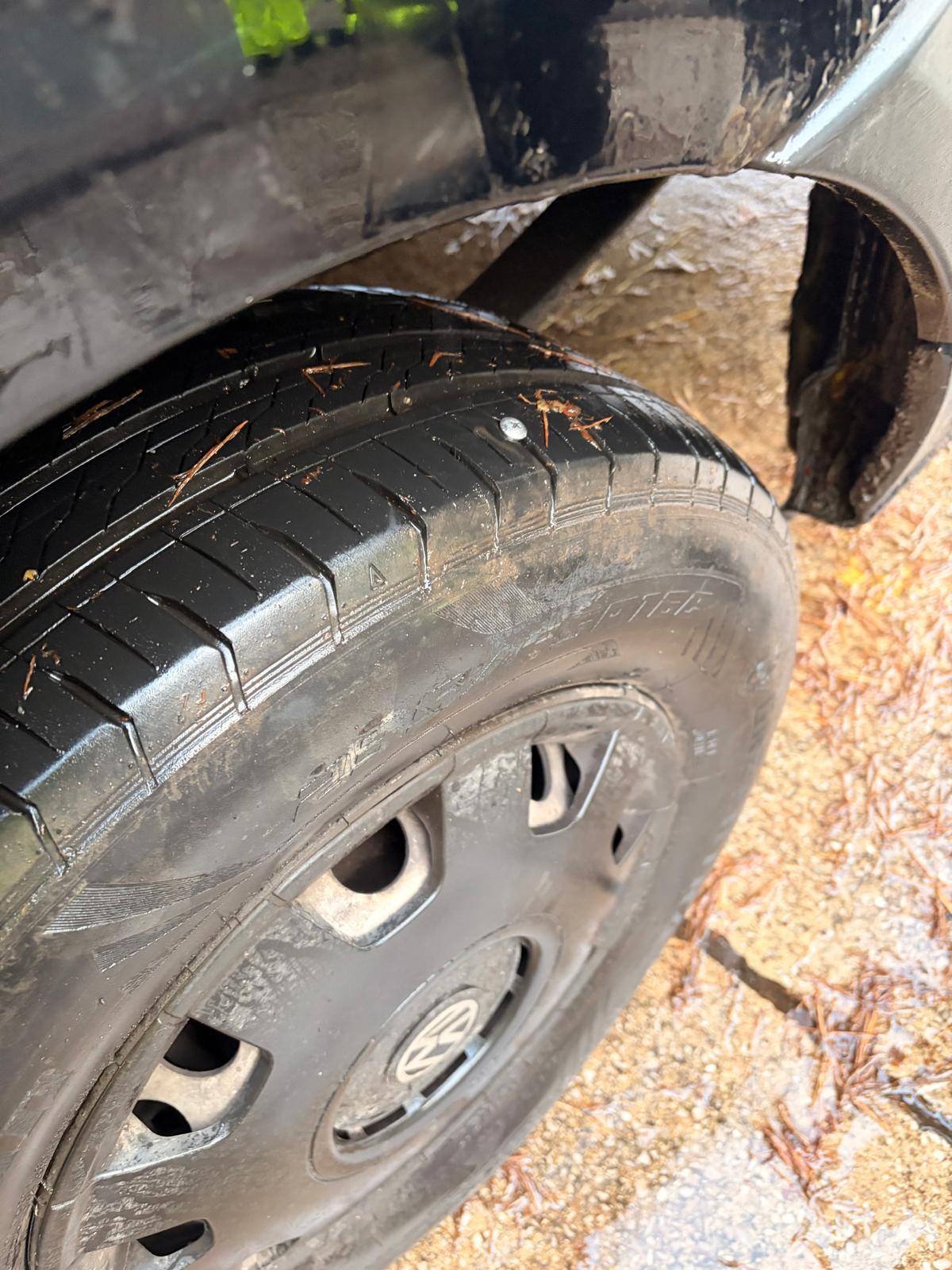
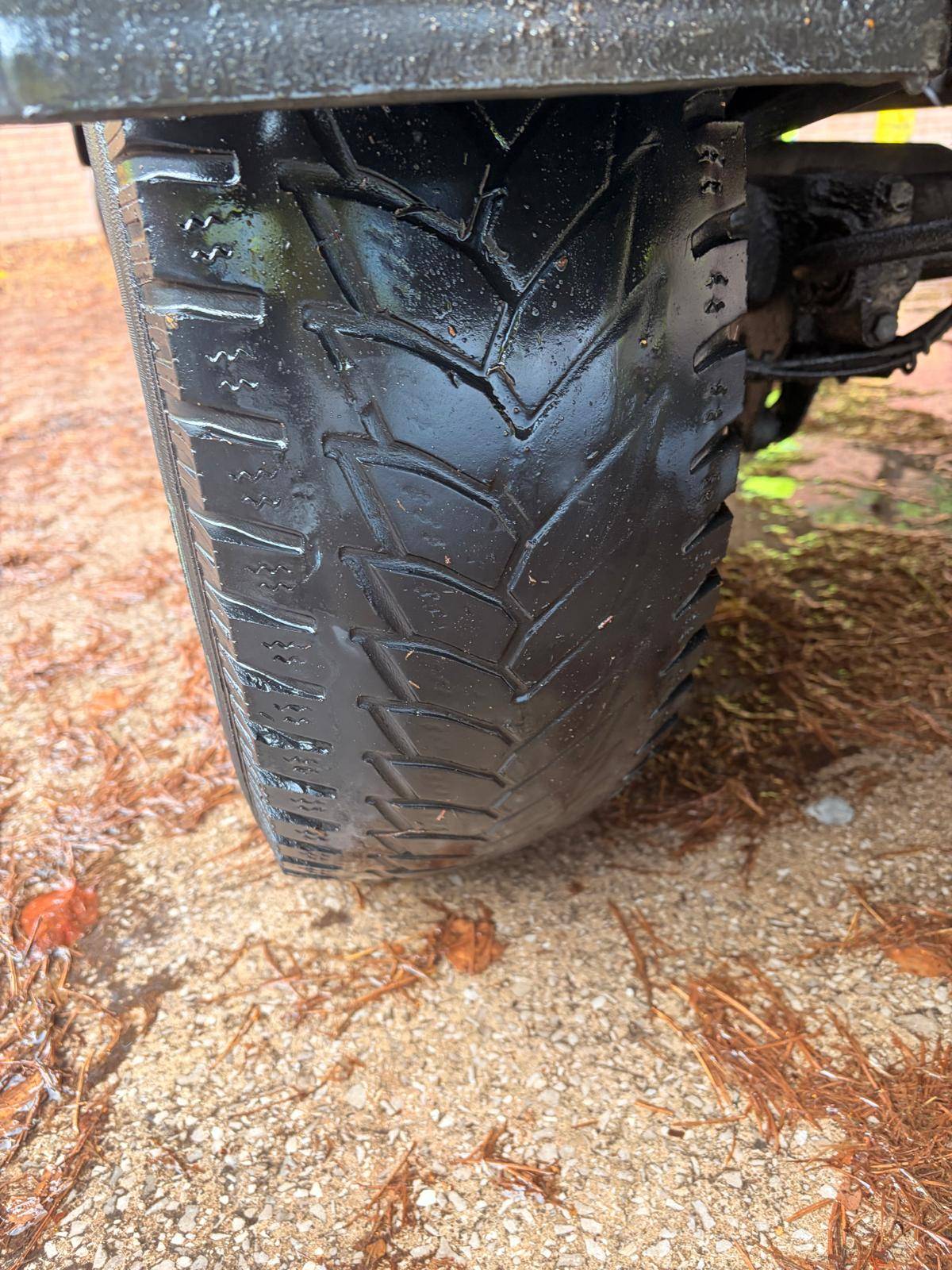
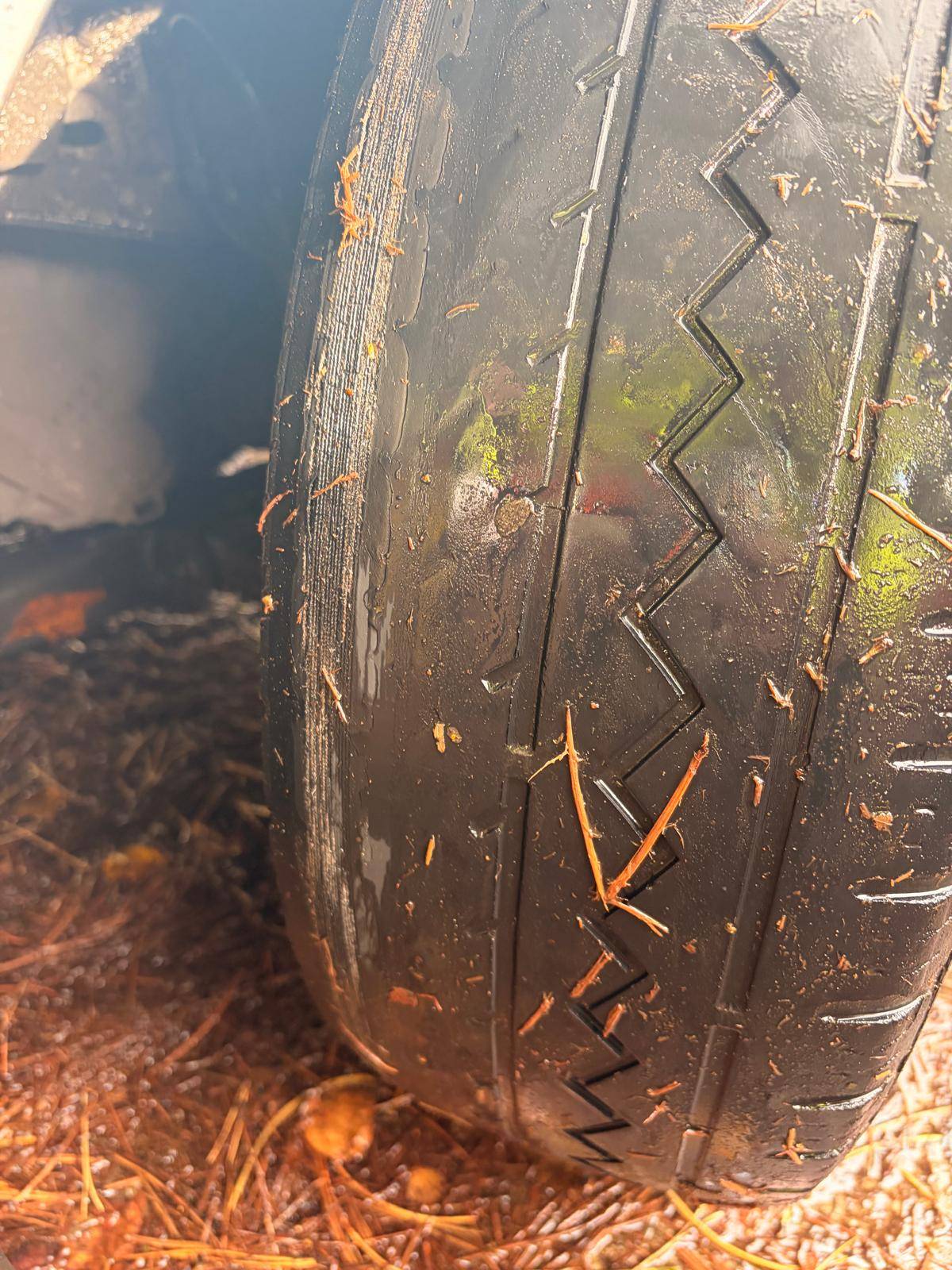
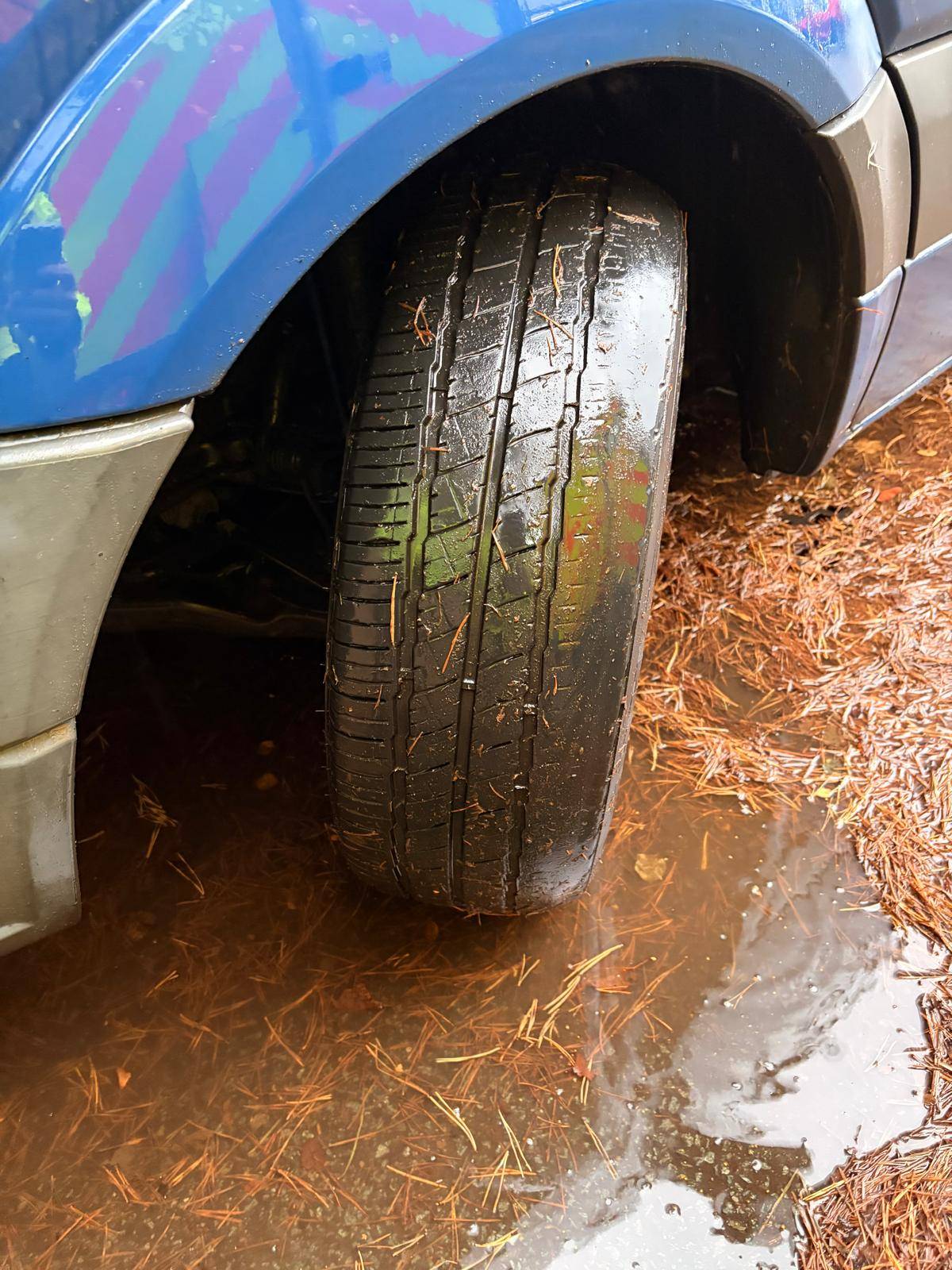
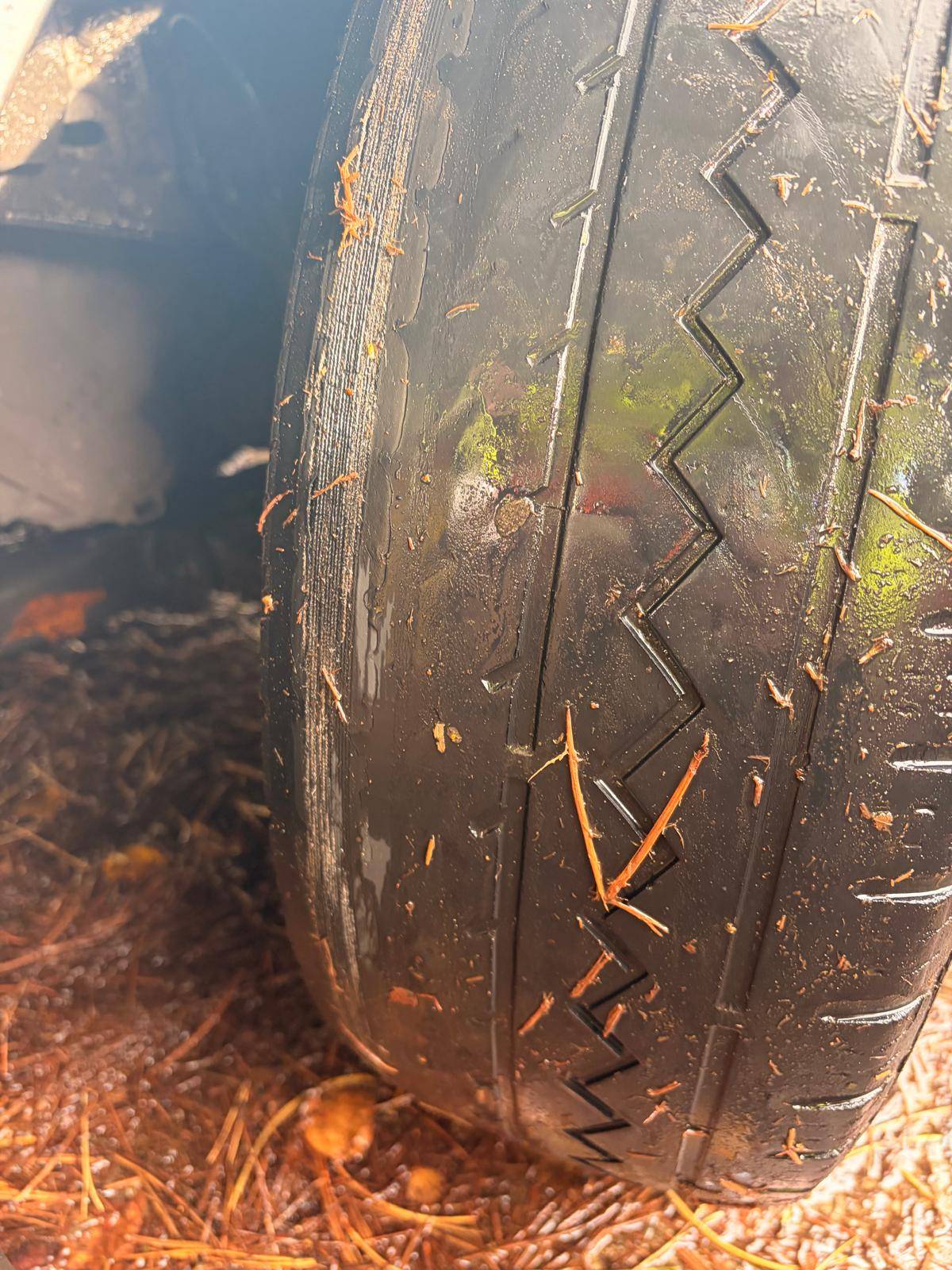
Beyond tread depth, the TyreSafe inspection uncovered severe and immediate safety hazards across the vehicles checked, including;
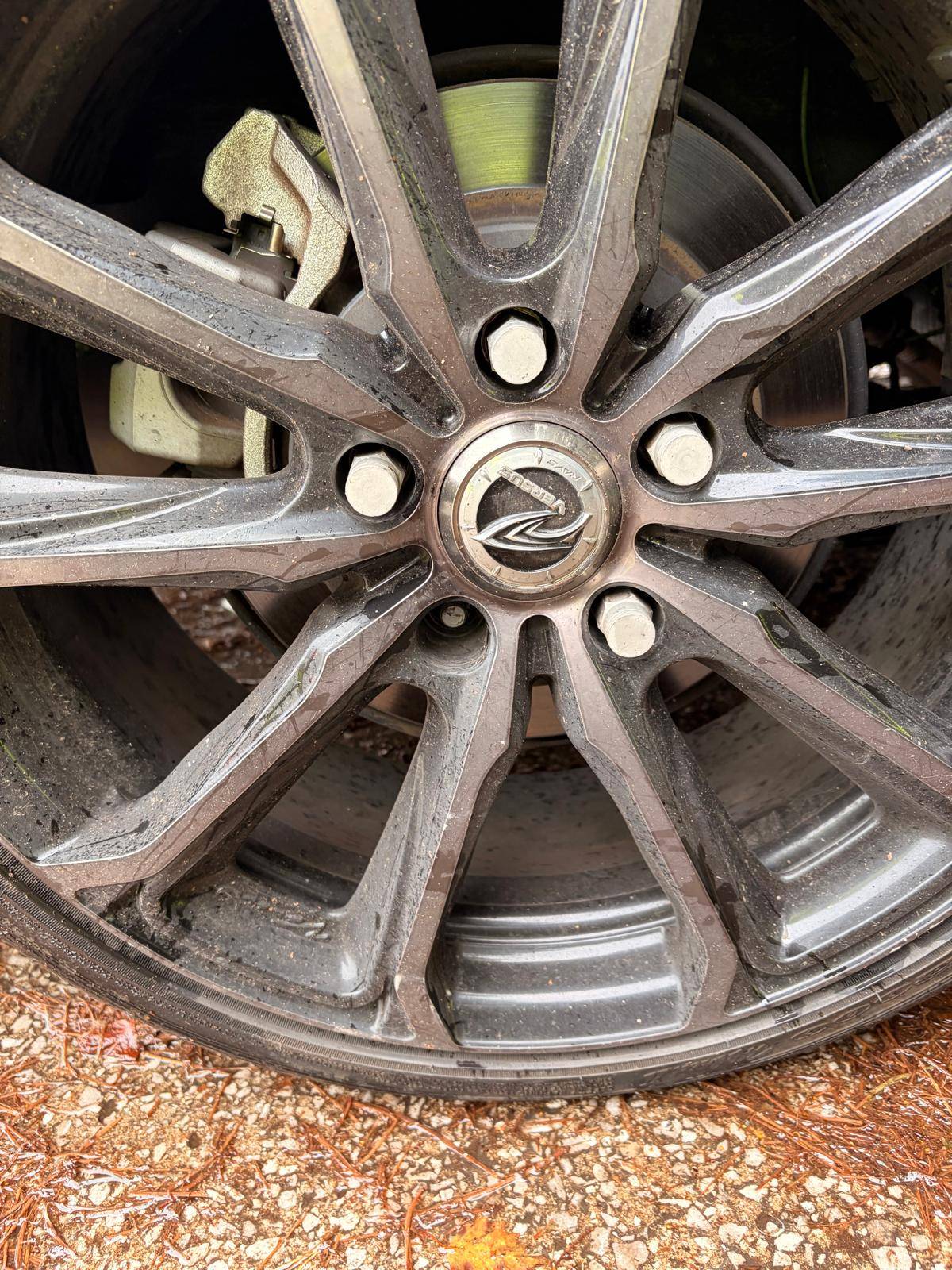
- Missing wheel nuts
- Severe under-inflation
- Sidewall damage
- Cord exposure
- Extreme tyre age (One tyre dated back to 1997, highlighting critical material degradation—a notable defect, as the film Titanic was released that year).
- Punctures
- Tread wear
- Misalignment causing rapid, uneven wear on inner or outer edges
2.2 Formal Enforcement Actions
These severe defects fed directly into the formal enforcement actions taken by GMP and the DVSA across all 137 stopped vehicles;
| Enforcement Action | Number of Offences | Description |
| Police Reports |
10 |
Drivers reported for tyre-related offences. |
| Police PG9 Notices |
2 |
Immediate prohibition notices issued by Police, preventing the driver from continuing the journey. |
| DVSA Prohibition Notices |
7 |
Immediate prohibition notices issued by DVSA, banning the vehicle from public use. |
| Total Tyre-Related Offences/Notices |
19 |
13.8% of all vehicles stopped resulted in a formal tyre-related enforcement action. |
2.3 Driver Behaviour and Criminality
The roadside checks proved effective in identifying a range of other statutory offences, underscoring the value of safety checkpoints as a crime deterrent and enforcement tool.
| Offence Category | Number of Offences | Enforcement Outcome |
| Seat Belts |
18 |
Drivers/passengers reported for failure to wear a seatbelt. |
| Mobile Phones |
3 |
Drivers reported for illegal mobile phone use. |
| Illegal Number Plates |
10 |
Drivers reported for non-compliant registration plates. |
| Illegal Tinted Windows |
8 |
Drivers reported for illegal window tints. |
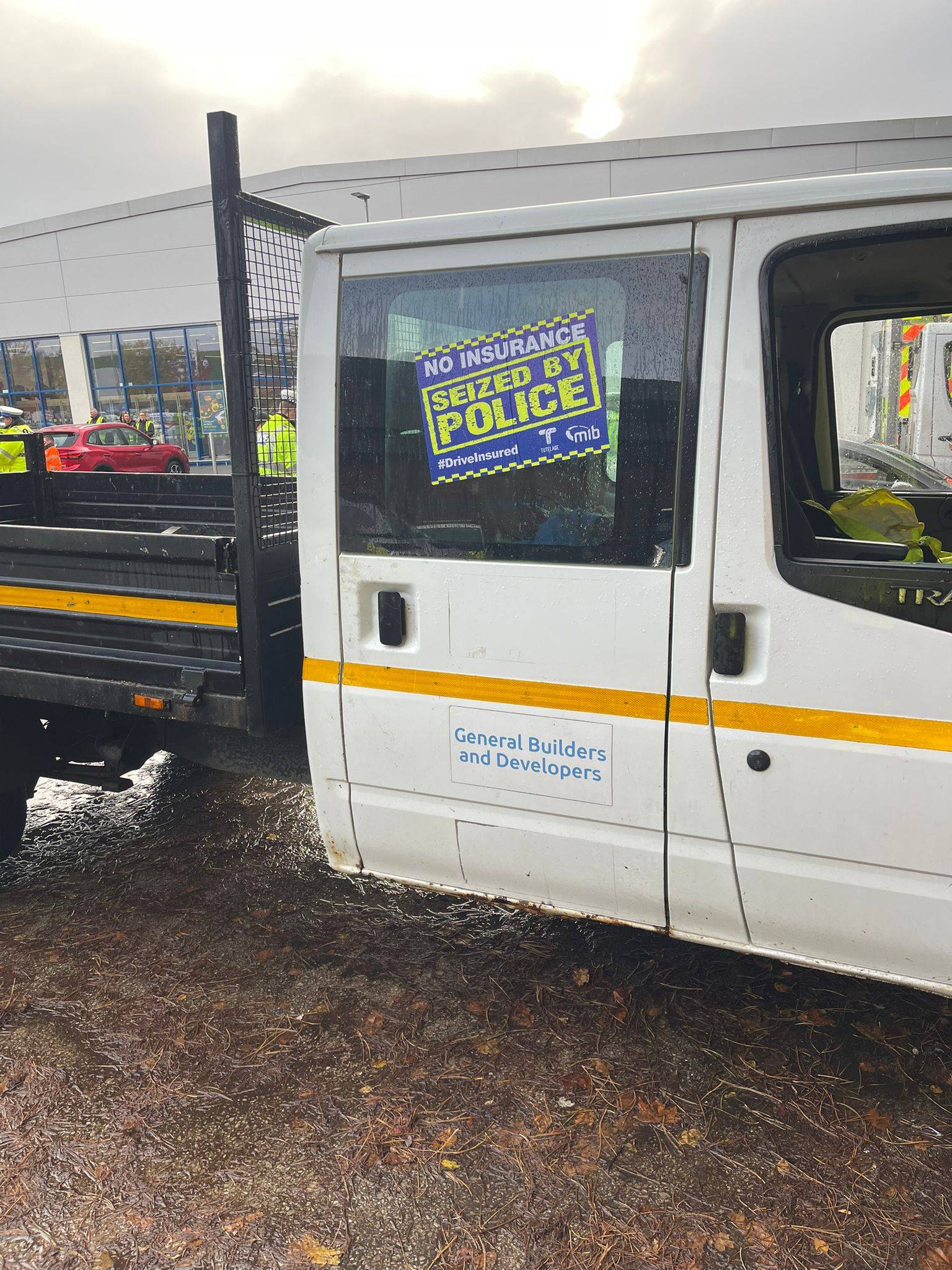
| No Insurance |
5 |
Vehicles seized under Section 165 of the Road Traffic Act. |
| Total Statutory Offences |
44 |
Offences reported, leading to fines and/or points. |
2.4 Arrests and Serious Infractions
The operation successfully intercepted individuals involved in serious driving or immigration offences:
- Arrests: 4
- Disqualified Driving: 2
- Suspicion of Drug Driving: 1
- Immigration Related Offences: 1
- Bolton Council Suspension Notices: 3 (Issued for a period of 10 days, likely relating to private hire or licensing issues identified during the checks).
-
Conclusion and Implications
The statistics from Operation ACT demonstrate that multi-agency checkpoints are highly effective, not only in addressing the specific safety issue of defective tyres but also in uncovering broader issues of non-compliance and criminality.
The data from the detailed inspections—where 8% of tyres were found to be illegal or borderline and severe defects like cord exposure and a 28-year-old tyre were discovered—justifies the police’s description of unsafe tyres as a “hidden danger.” The 9 prohibition notices (PG9 and DVSA) indicate vehicles posing an immediate, critical risk to public safety were successfully removed from the road.
Furthermore, the 4 arrests and 5 vehicle seizures for no insurance highlight the overlap between road safety enforcement and the broader fight against crime. For every 34 cars stopped, a serious arrest was made, validating the strategic use of such sites for enforcement.
Key takeaway
Operations like ACT are crucial for road risk reduction, providing both education to compliant motorists and targeted enforcement against those who pose the greatest threat to road safety through negligence or illegal activity.