

If you’ve ever left the garage wondering what on earth the mechanic actually said, you’re not alone! Mechanic jargon can feel like a whole other language, with technical terms, workshop shorthand, and phrases that can leave you feeling more than a little lost when it comes to car maintenance.
But at some point, between lectures, deadlines, and everything else, you’ll need to visit a garage, book an MOT, or ask a mechanic about a problem with your car and understanding the lingo will ensure you’re not left guessing. This guide explains some of the most frequent things mechanics say and what they mean for your car, so that you can handle both mechanic terms and term time with confidence.
Things mechanics say about your wheels and tyres
How a mechanic words issues with your wheels and tyres can be confusing, but it doesn’t have to be. These are some of the most common wheel and tyre phrases you’ll hear in a garage, and what they usually mean.
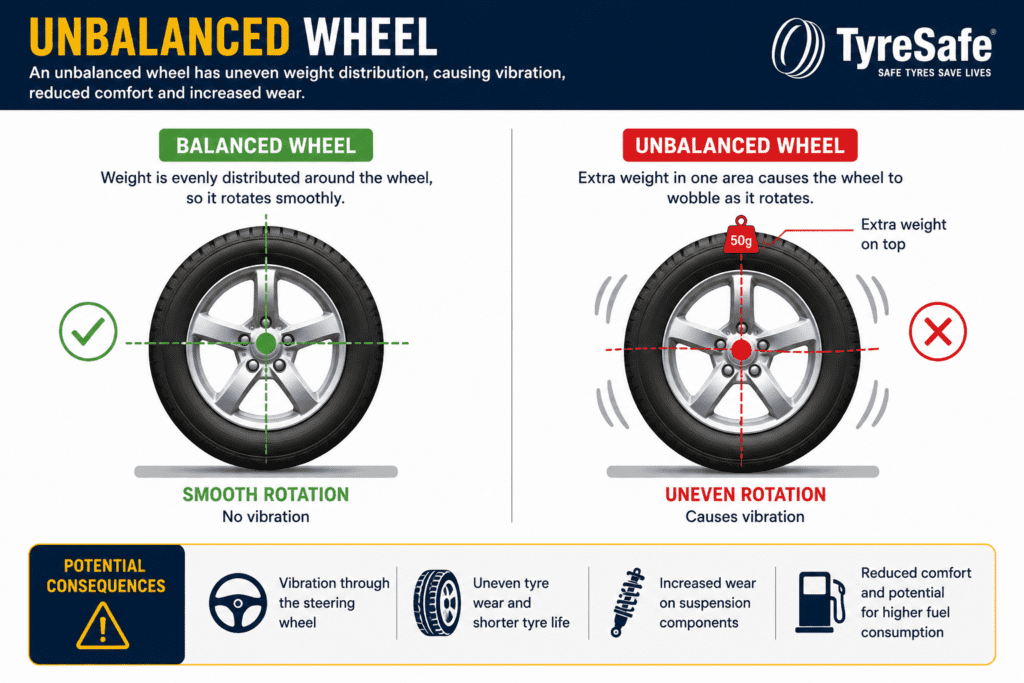
“Your wheels need balancing”
The weight around your tyre and wheel isn’t evenly balanced, which means the wheel doesn’t spin smoothly. This can cause steering wheel vibration at higher speeds and affect ride comfort and stability.
Next steps: A garage can fix this by adding small weights to balance the wheel properly.
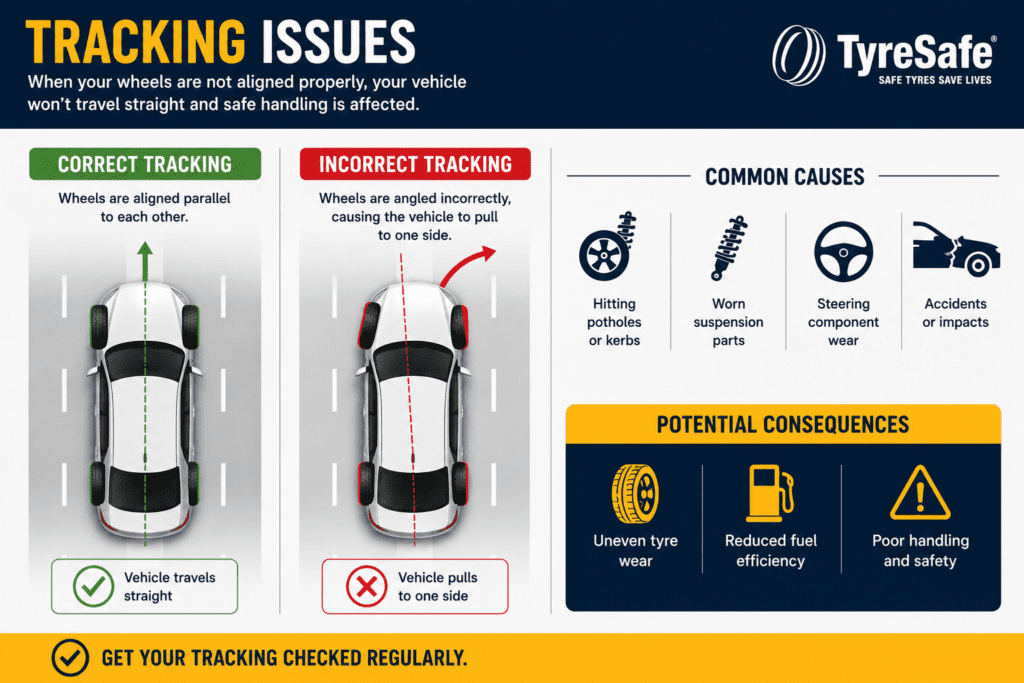
“Your tracking is out”
Your wheels are not pointing in exactly the same direction, so the car isn’t driving in a straight, controlled line. This can cause uneven tyre wear, make the steering feel off, and reduce stability, especially when driving at higher speeds.
Next steps: A garage can fix this by adjusting the wheel alignment so the wheels are correctly set and the car tracks straight again.
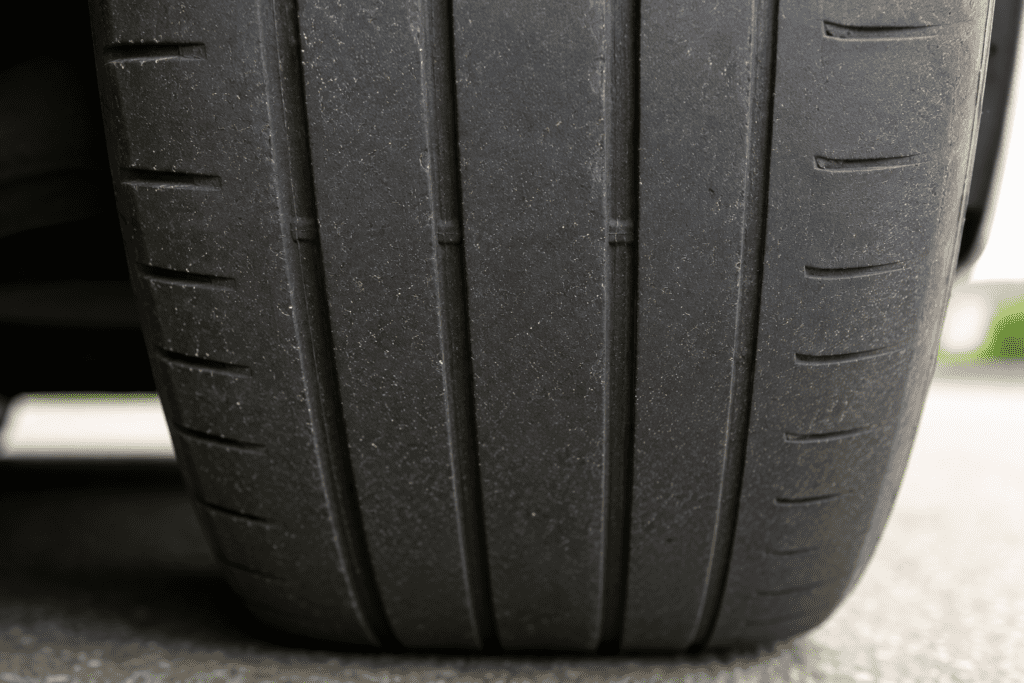
“Your tyres are close to the limit”
Your tyre tread is getting low and is close to the legal minimum depth required for safe driving. Low tread reduces your grip on the road, especially in wet conditions, and increases braking distances. It can also result in an MOT failure.
Next steps: A garage can replace tyres with low tread with new ones that bring the tread depth back to a safe and legal level.
Things mechanics say about your engine
Mechanic terms around engines usually relate to how well the engine is running, how efficiently it’s performing, or signs of wear that need attention.
“Your engine is misfiring”
One or more of your engine’s cylinders isn’t producing power at the right time. This can make the engine feel uneven when it runs, which you might notice as shaking when stationary, hesitation when accelerating, or the engine sounding rough. It can also result in poor fuel efficiency and, if ignored, long-term engine damage.
Next steps: A garage can fix a misfiring engine by replacing faulty parts such as spark plugs or ignition coils.
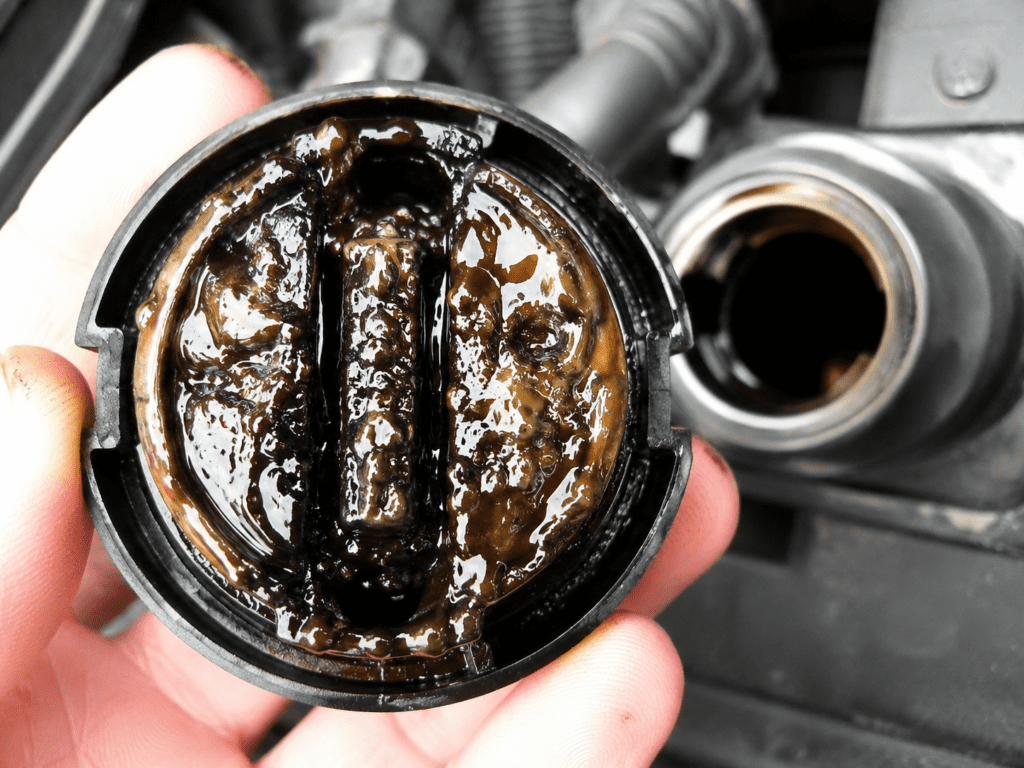
“You’ve got mayonnaise under your oil cap”
Condensation has mixed with your engine oil, creating a thick, milky sludge. This can happen after lots of short journeys where the engine doesn’t get hot enough to fully evaporate moisture. It can also be a sign of a more serious issue, such as a coolant leak into the engine. If it is caused by a fault, it can lead to overheating, corrosion of internal parts, and potential engine failure over time.
Next steps: A garage can fix a coolant leak by replacing the faulty parts such as gaskets or seals.
Things mechanics say about your steering, suspension and brakes
Mechanic jargon around steering, suspension and brakes usually relates to how the car handles, how stable it feels on the road, and how effectively it can stop.
“Your ABS isn’t working”
The Anti-lock Braking System (ABS) – the safety system that stops your wheels locking up when you brake hard – has a fault. This means if you need to brake suddenly or emergency stop, you are at greater risk of skidding and the car will be harder to control.
Next steps: A garage can fix a faulty ABS by repairing or replacing the faulty part, usually a wheel speed sensor, wiring, or the ABS module.
“Your clutch is slipping”
The clutch isn’t gripping the engine and gearbox tightly enough to transfer all of the engine’s power to the wheels. This can make pulling away, accelerating and driving up hill more difficult, and you may notice the engine revving harder without the car gaining speed.
Next steps: A garage can fix a slipping clutch by replacing the worn clutch components; this might include the clutch plate, pressure plate, or the release bearing.
Things mechanics say about your exhaust system
Mechanic words around exhaust systems usually relate to noise, emissions, and how effectively gases are being filtered or released from the car.
“The exhaust is blowing”
There is a hole, crack or loose connection somewhere in the exhaust system and exhaust gases are escaping there instead of going through the exhaust pipe. A fault in the exhaust system can increase noise levels, reduce fuel efficiency and affect engine performance. Depending on where the issue is, there is also a risk of exhaust fumes getting into the car.
Next steps: A garage will fix a faulty exhaust system by repairing or replacing the damaged section. This may involve fitting new pipes, clamps, gaskets, or silencers.
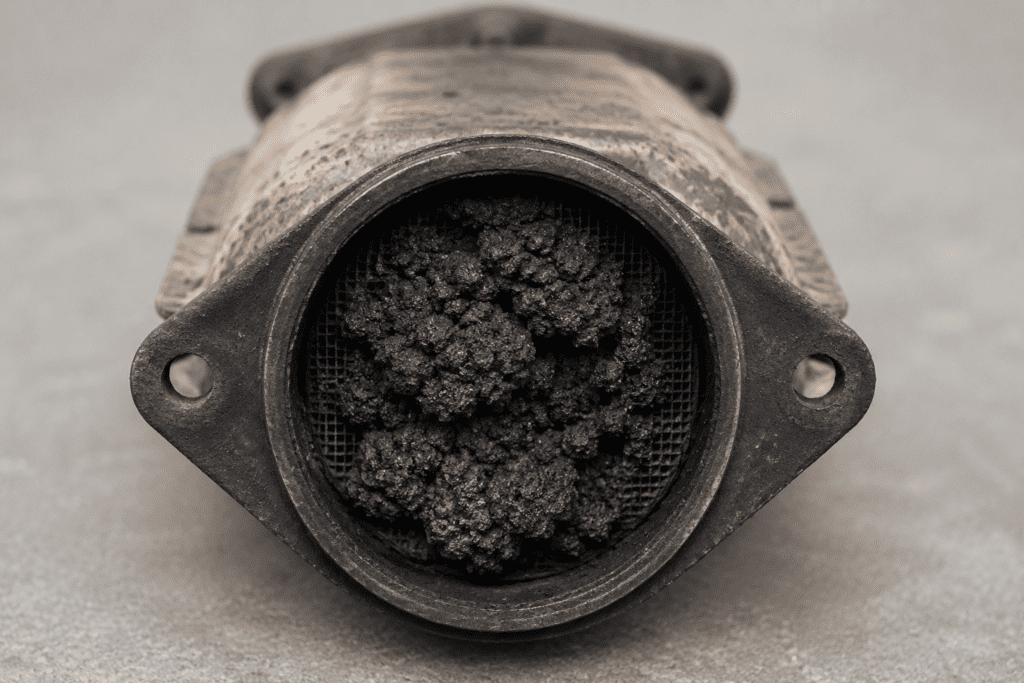
“Your catalytic converter is failing”
The component in your car that converts toxic exhaust emissions into less harmful gases is damaged or clogged. This can lead to sluggish engine performance, a strong or unpleasant smell, and an MOT failure. It can also cause overheating and increase the risk of further internal damage.
Next steps: A garage will fix a clogged catalytic converter by running a chemical cleaning treatment through it. If the damage is more serious, they may need to replace the component entirely. They will also check for the root cause, such as faulty spark plugs, oxygen sensors, or fuel system problems.
More things mechanics say when checking your car
Mechanic lingo during general checks usually covers routine maintenance, basic fixes, and general observations made when your car is inspected in the workshop.
“Top up your fluids”
You should check and refill the essential liquids in your car, like engine oil, coolant, brake fluid, and windscreen washer. Low fluid levels can affect performance, safety, and reliability.
Next steps: The garage can top up any fluids that are low during a service and will also check for any leaks or underlying issues. Some, like windscreen washer fluid, can also be topped up yourself as part of regular maintenance.
“We couldn’t replicate the fault”
The garage tested your car for the fault you reported, but the problem didn’t occur while they were checking it, and no fault codes were found during diagnostics. This can happen if the issue is intermittent or only appears under certain driving conditions.
Next steps: The garage may carry out further testing or a longer road test to try and recreate the issue. You can help by giving as much detail as possible about when it happens, taking a video if it occurs again, or going on a ride-along with the mechanic.
Learn more about taking care of your car
Now you’ve got a handle on common mechanic jargon, the next step is to keep building your knowledge. Learning more about basic car maintenance will help you feel confident and stay safe on the road. At TyreSafe, we’re dedicated to raising awareness of the importance of tyre safety and keeping you prepared for every journey.