
FREE downloadable resources
Browse free tyre safety resources
The Farmer’s Five – Your Essential Tyre Care Tips
Mid-summer is the busiest time for machinery preparation. Soon, you’ll be pulling trailers out of storage that haven’t seen the light of day since last autumn, taking them straight out on public highways bearing loads of up to 14 tonnes.
It’s easier and cheaper to check tractor and trailer tyre condition prior to putting it to work than to have a tyre repaired or replaced at 3 am.
To help farmers stay safe and productive, we’ve boiled it down to ‘The Farmer’s Five’ – five essential tyre safety tips designed to be easy to remember and implement.
Pressure – Type – Weight – Inspection – Storage
Make these a habit, and watch the difference they make to your operations and your peace of mind.

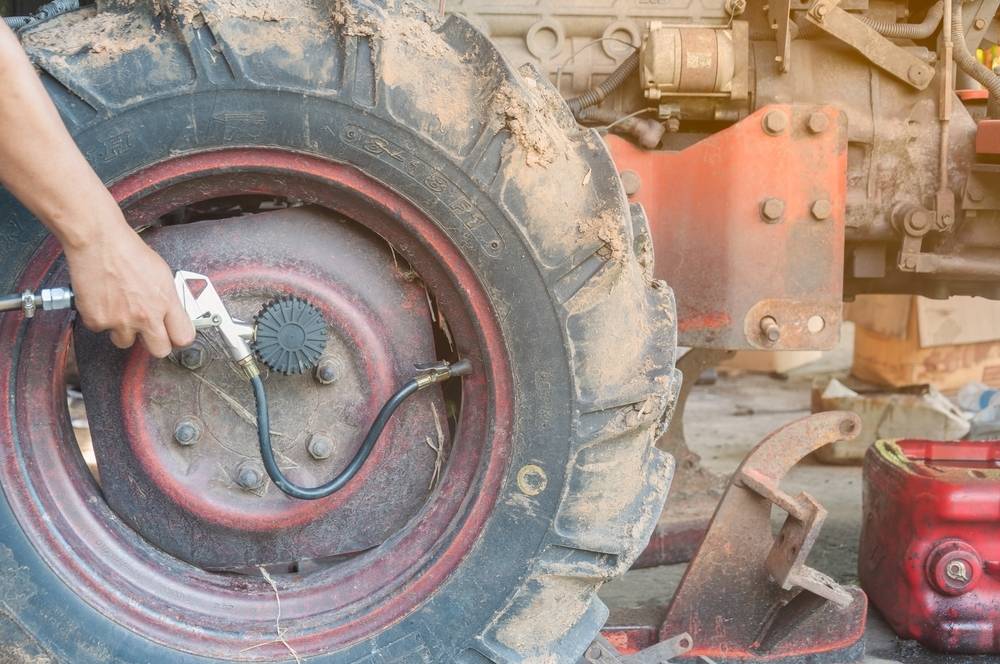
1. Tyre Pressure – The Foundation of Performance
Why it’s vital – Maintaining the right tyre pressure is essential for minimising soil compaction, ensuring good traction, and reducing fuel consumption. It directly impacts your machine’s efficiency and your field’s health.
The Technical Bit – The air volume within the tyre is what carries the load.
Under-inflation – Causes excessive sidewall flexing, heat build-up, rapid irregular wear (especially shoulders), increased rolling resistance (higher fuel use), reduced stability, and greater soil compaction. Risk of the tyre spinning on the rim under load.
Over-inflation – Reduces the contact patch, leading to decreased traction, a harsher ride, increased wear in the centre of the tread, and makes the tyre more susceptible to impact damage.
What you can do
Adjust tyre pressures appropriately for field and road use to optimise performance, even if it seems like a hassle.
Properly inflated tyres can make a significant difference in your farm operations, whether for tractors, self-propelled sprayers, or telehandlers.
Always consult your machine’s manual and the tyre manufacturer’s specific load/inflation tables.
Invest in a reliable, calibrated pressure gauge.
For large operations, consider a Central Tyre Inflation System (CTIS) – it can save significant fuel and time.
2. Tyre Type – Right Tyre, Right Job.
Why it’s vital – Choosing the correct tyre type, including the right construction and tread pattern, maximises efficiency, reduces wear, and protects your soil.
The Technical Bit – Matching the tyre’s design to the application ensures optimal performance. VF tyres, for instance, are engineered with stronger, more flexible sidewalls to allow for greater deflection at lower pressures without compromising structural integrity. Tread patterns like R-1 provide aggressive grip for traction, while R-3 offers gentle flotation for turf.
What you can do
Consider using VF (Very Flexion) tyres for heavy machinery, especially if soil compaction is a major concern. Select the right tread pattern for your specific tasks (e.g., R-1W for wet fields, R-4 for yard work). This applies to all agricultural vehicles, from combine harvesters to backhoe loaders, as well as 4x4s and quad bikes.

3. Weight and Load – Don’t Overburden Your Best Assets
Why it’s vital – Overloading machinery can severely damage tyres, leading to punctures, sudden blowouts, and costly downtime. It’s a major safety risk. Remember, farm vehicles don’t have as strict safety enforcement regulators as equivalent trucks, yet modern tractors can travel at nearly the permitted speed of an articulated truck on a country B road.
The Technical Bit – Exceeding a tyre’s rated load capacity puts immense strain on its casing, leading to excessive deflection, heat generation, and internal structural damage that can result in sudden failure. Weight distribution is also crucial; uneven loads can prematurely wear specific tyres.
Ballasting – Adding weight (ballast) can improve traction by increasing downward force.
Liquid Ballast (e.g., calcium chloride, Rimguard) – Fills the tyre with fluid, adding weight low down for stability. Can be cheaper but tyre repairs are more complex.
Dry Ballast (e.g., cast iron weights on wheels/chassis) – Better maintains tyre flexibility and is easier to adjust.
Optimal Ballast – The goal is to achieve minimal wheel slip (typically 10-15% for optimal traction and fuel efficiency). Too much ballast increases compaction, too little increases slip and fuel consumption.
What you can do
Always check the load index on your tyres and the weight limits for your machine and ensure you are not exceeding them. Properly balancing the load on your machinery will help extend tyre life and prevent unexpected breakdowns. This is vital for trailers and any vehicle carrying heavy loads.
4. Inspection and Maintenance – Catch Issues Early
Why it’s vital – Routine checks and early detection of issues prevent minor problems from escalating into major, expensive failures or dangerous incidents. This is especially true for equipment “dragged out of the nettles” that hasn’t been checked since last autumn.
The Technical Bit – Tyres are constantly exposed to abrasive materials, chemicals, and physical impacts.
Damage Indicators – Look for cuts, bulges (indicating internal cord damage), cracks (from UV exposure or aging), and uneven wear patterns (a sign of incorrect pressure or alignment).
Rim Integrity – Don’t forget to check the wheel rims as well, as they can crack when used on rough terrain or suffer from corrosion on the bead seat, leading to slow air leaks.
Stubble Damage – Modern crop varieties often have tough stalks that can pierce or abrade tyre sidewalls and treads. Look for small, linear cuts often parallel to the ground.
Tyre Age – Rubber degrades over time. Even if the tread looks good, fine cracks in the sidewalls (ozone cracking) can indicate aging. Tyres generally have a useful life of 6-10 years, depending on usage and storage.
What you can do
Regularly inspect your tyres thoroughly before every use. Remove any embedded objects (stones, stubble). Monitor tread depth – worn treads reduce traction and increase slip. Address any issues immediately – a professional repair can save you a full tyre replacement.
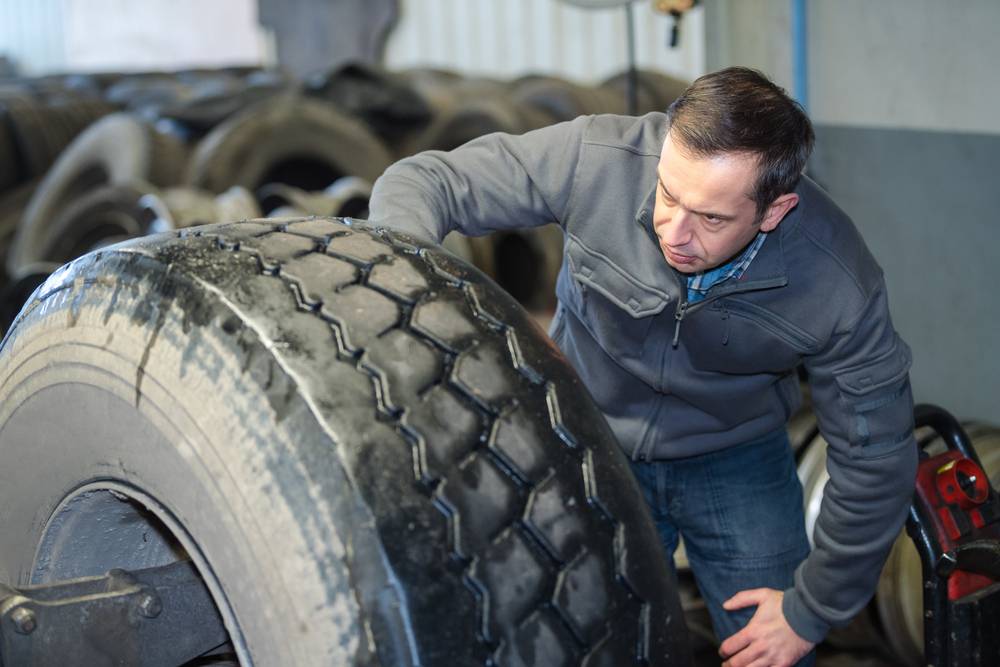

5. Storage – Protect Your Investment Off-Season
Why it’s vital – Proper storage prevents tyre degradation, cracking, and deformation during periods of inactivity, extending their lifespan and preventing costly premature replacements.
The Technical Bit – Rubber deteriorates over time due to exposure to UV light, ozone (from electric motors), heat fluctuations, and chemicals. Prolonged static loading can cause “flat spots” or casing deformation, making the tyre unsafe or unusable when put back into service.
What you can do
When storing machinery, try to take the weight off the tyres (e.g., by jacking up the machine or using stands) to prevent cracking and flat spots. If this is not possible, inflate the tyres to a higher pressure (but never above the maximum recommended PSI on the sidewall) to help maintain their shape and integrity.
Store tyres/machinery in a clean, dry, cool, and dark place, away from direct sunlight, chemicals, and ozone-generating equipment. If possible, periodically rotate or move tyres during long storage.
Beyond The Farmer’s Five – Advanced Tyre Care & Professional Insight
Wheel Alignment – This is critical! Misaligned wheels cause tyres to “scrub” across the surface rather than rolling straight. This leads to rapid, uneven wear (often feathering on the edges of lugs), increased rolling resistance, and higher fuel consumption. It also negatively affects steering stability and safety. If you notice unusual or rapid uneven wear, get a professional alignment check immediately.
Tyre Rotation – For some setups, especially dual wheels or if you notice uneven wear patterns between different positions on the same machine, rotating tyres can help distribute wear more evenly and extend their overall life.
Tyre Pressure Monitoring Systems (TPMS) – While manual checks are vital, modern TPMS systems can provide real-time tyre pressure and temperature data directly to the cab. This early warning system can alert you to potential issues like slow punctures or over-heating before they become critical, saving costly downtime and enhancing safety. Consider if this technology is a worthwhile investment for your fleet.
When to Call a Pro – Some tyre work requires specialist equipment and knowledge.
Mounting/Dismounting – Especially for large agricultural tyres and multi-piece rims (often found on older equipment), improper handling during inflation carries a serious risk of explosion. Always use a qualified professional.
Major Repairs – Deep cuts, large punctures, or sidewall damage often require specialised vulcanisation or internal patching that only a tyre professional can safely and effectively carry out.
Complex Ballasting or Alignment Issues – If you’re unsure about optimal ballasting or suspect alignment problems, a professional can provide precise adjustments.

Legal Compliance & Roadworthiness for Agricultural Vehicles
Farm vehicles might not always face the same roadside checks as HGVs. However, your legal obligations for safe operation on public roads are just as serious. Modern tractors are faster and more powerful than ever, and a trailer carrying 14 tonnes at speed presents a significant risk if not properly maintained.
It’s Your Responsibility – Even if enforcement feels different, you are legally responsible for ensuring any vehicle (tractor, trailer, combine, 4×4, van, car) you operate on a public highway is roadworthy. This includes its tyres.
Speed & Load Ratings – Tyres have specific speed and load ratings. Your vehicle’s speed must never exceed the lowest speed rating of any tyre fitted. Similarly, you must not exceed the tyre’s or vehicle’s legal load limits (axle weights). Overloading or overspeeding a tyre significantly increases the risk of catastrophic failure.
Overall Condition – Beyond tyres, general roadworthiness (brakes, lights, steering, mirrors) is paramount for safety and compliance. A tyre failure can impact all these systems.
Consequences – An accident involving an unroadworthy vehicle can lead to severe legal penalties, significant insurance issues, and, most importantly, devastating personal injury or fatality.
Team Effort & Smart Management
Operator Training & Awareness – If you have other operators or employees working with your machinery, it’s vital that they too understand The Farmer’s Five and the importance of tyre safety. A quick briefing can ensure consistency and reinforce a safety-first mindset across your entire operation. Consider making this guide a mandatory read for all machinery operators on your farm.
Keeping Records, A Smart Management Tool – For larger fleets or simply for better asset management, consider keeping records of tyre purchases, inspections, and repairs. This can help you track tyre lifespan, identify recurring issues, and better budget for replacements.
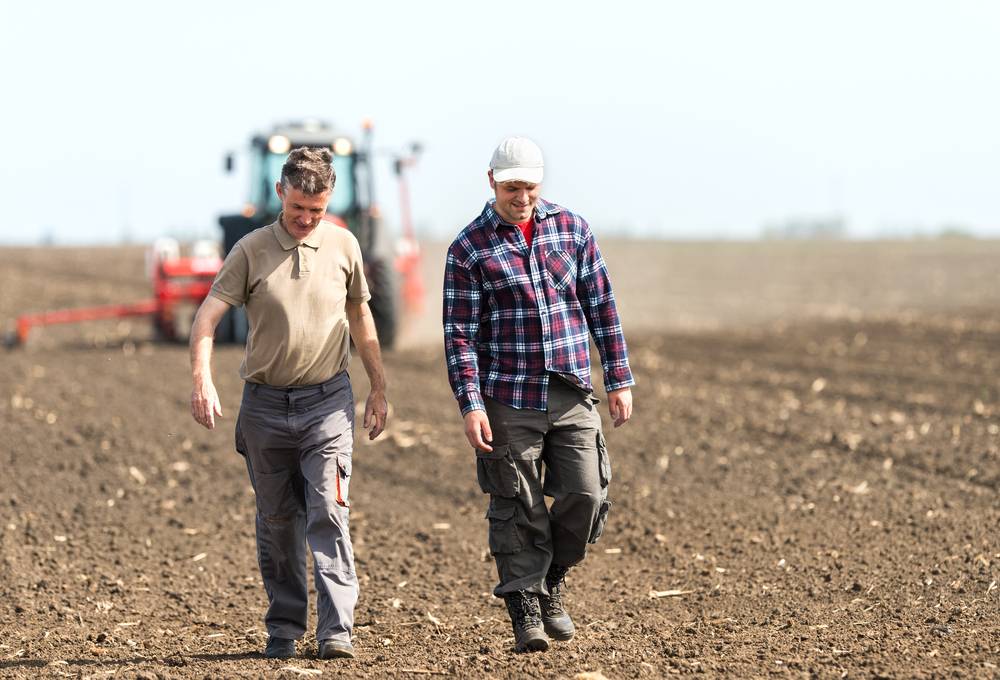
Remember – Your tyres are not just rubber; they are a critical safety component and a significant investment in your farm’s productivity and profitability.
A few minutes of proactive care, following The Farmer’s Five, can mean the difference between a smooth, productive day and a costly, dangerous incident.
Make tyre safety your priority. Because your safety matters.

TyreSafe Partners with Farm Safety Foundation (Yellow Wellies)
TyreSafe acknowledges the help and support of the Farm Safety Foundation (Yellow Wellies) in the compilation of this advice.
TyreSafe Partners with Tilly Your Trailer
TyreSafe acknowledges the help and support of Tilly Your Trailer in the compilation of this advice.
Read more about our partnership TyreSafe Announces Partnership with Tilly Your Trailer to Improve Agricultural Road Safety
