Overview
Operation Considerate is a dedicated policing initiative led by Greater Manchester Police (GMP). Its primary mission is to detect a broad spectrum of driving offences, prosecute offenders where necessary, and significantly raise public awareness regarding road safety. By conducting targeted enforcement and educational outreach, the operation seeks to foster a safer environment for all road users across the county.
Strategic Alignment
This operation is a critical component of GMP’s commitment to the Vision Zero strategy. Working alongside the Greater Manchester Combined Authority and partners like Greater Manchester Fire and Rescue, SaferRoads GM, and Safer Roads Greater Manchester, GMP aims to eliminate road deaths and life-changing injuries by 2040.
Operation Considerate specifically addresses this goal by focusing on the “Fatal Four” offences identified by the National Police Chief’s Council: speed, mobile phone use, seatbelt non-compliance, and drink/drug driving. Furthermore, the operation places a significant emphasis on “Safer Vehicles,” ensuring that the cars and vans on Bolton’s roads meet strict legal and safety requirements.
The Partnership Approach: Innovative Technology
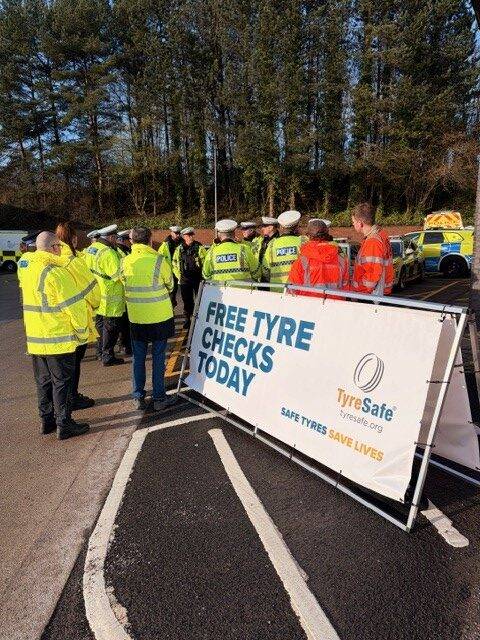
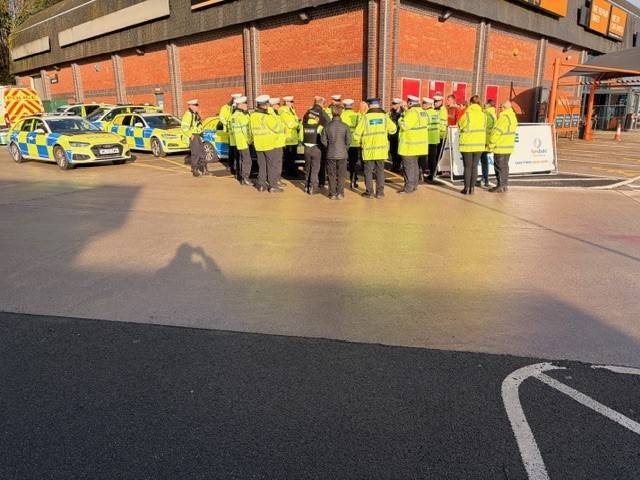
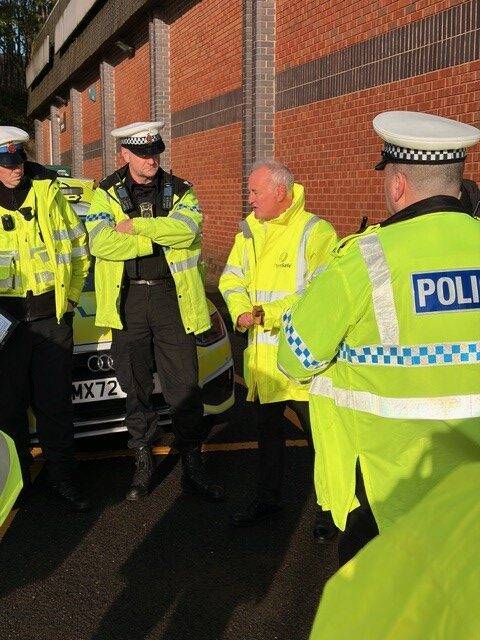
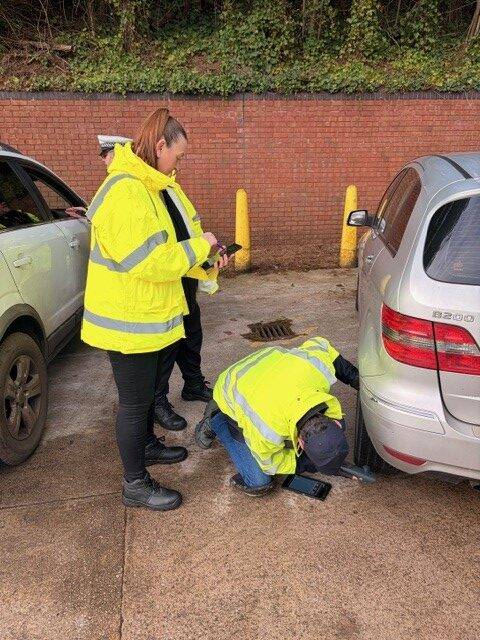
A cornerstone of Operation Considerate is its collaborative nature. On a recent day of action (Tuesday 10th March 2026) on Manchester Road, Bolton, GMP’s Safer Transport Team—comprising the Roads Policing Unit, Commercial Vehicle Unit, and Traffic PCSOs—joined forces with several key partners:
- TyreSafe: Invited to assist specifically with the “Safer Vehicles” objective by conducting expert tyre checks.
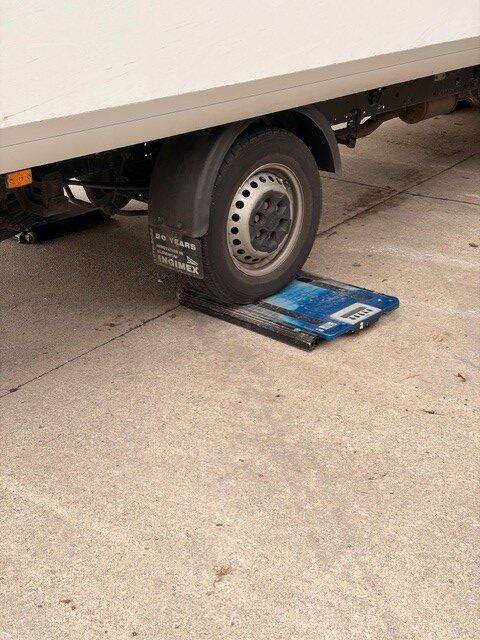
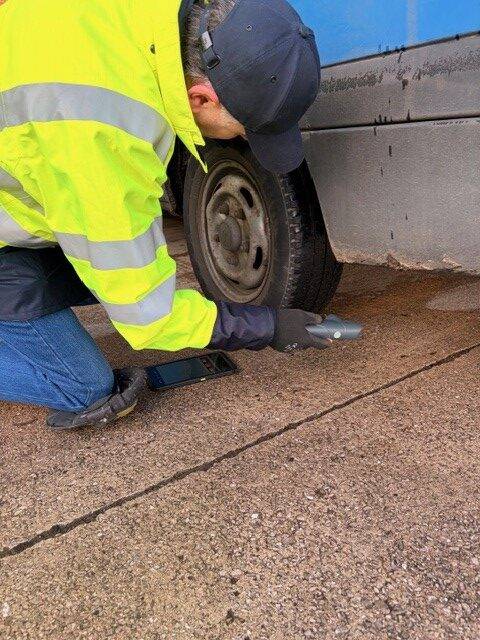
- Transense (Translogik): Provided innovative tyre inspection tools to accurately measure tread depth and condition.
- TreadTracker: Utilised to digitally record and analyse the results of every inspection in real-time.
- DVSA: Conducted technical vehicle examinations and issued prohibitions where necessary.
- Safer Roads Greater Manchester and Bolton Council: Supported community engagement and broader safety awareness.
Operational Execution
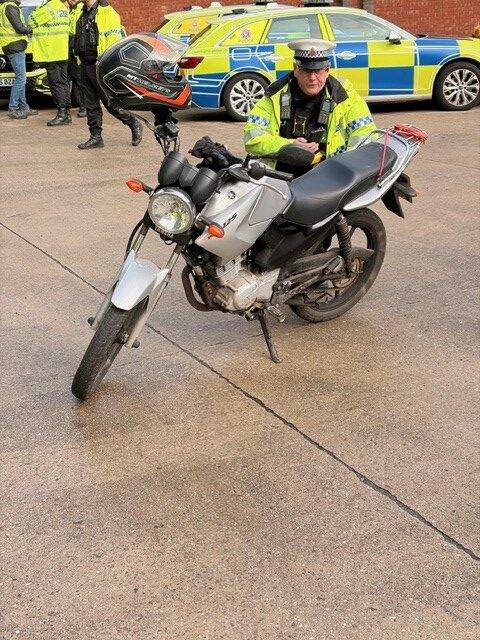
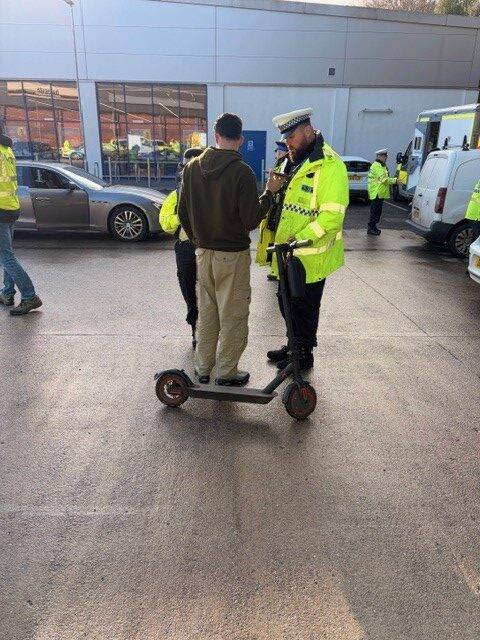
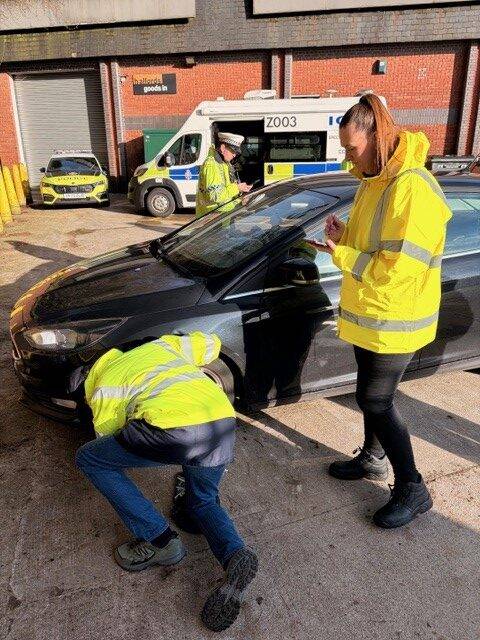
The team utilised a static vehicle site, supported by TPCSO “spotters” who identified potential offences and directed vehicles into a controlled stopping area. Officers then engaged with drivers through a combination of enforcement and roadside education.
Key Results: Overall Enforcement
During the event, GMP officers stopped a total of 77 vehicles, leading to a wide range of detections and enforcement actions:
| Offence / Action | Total |
| Mobile Phone Use | 7 |
| Seatbelt Offences | 8 |
| Vehicle Registration Mark (VRM) Issues | 7 |
| Illegal Window Tints | 11 |
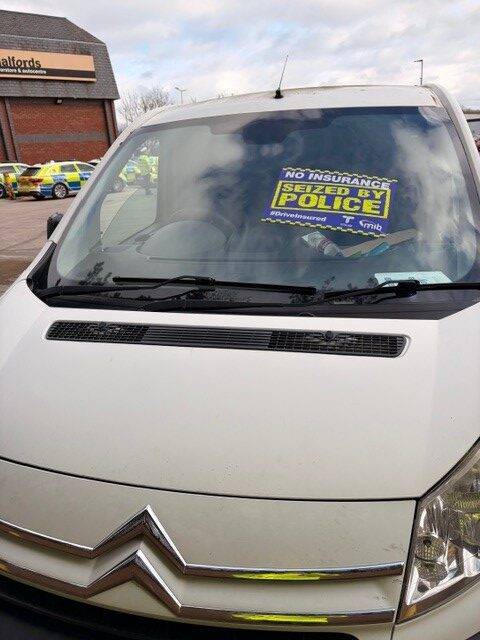
| No Insurance | 6 |
| No License | 1 |
| Arrest for Disqualified Driving | 1 |
| S165 Vehicle Seizures | 7 |
| PG9 Prohibition Notices (Police) | 5 |
| PG9 Prohibition Notices (DVSA) | 11 |
Deep Dive: Tyre Safety Results
A major focus of the day was the tyre check element. Of the vehicles stopped, 63 underwent a detailed tyre inspection, covering 258 individual wheel positions.
Vehicle Demographics
The inspected fleet was nearly evenly split between private and commercial use:
- Cars: 46%
- Vans: 44%
Findings and Defects
The inspections, powered by Translogik and TreadTracker technology, revealed that 14% of vehicles (9 total) were operating with tyre-related issues. The severity of these issues was notable, with 81% categorised as defects and 19% as advisories.
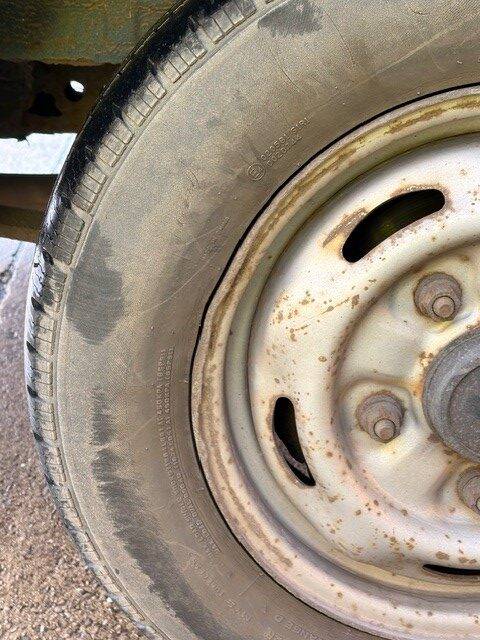
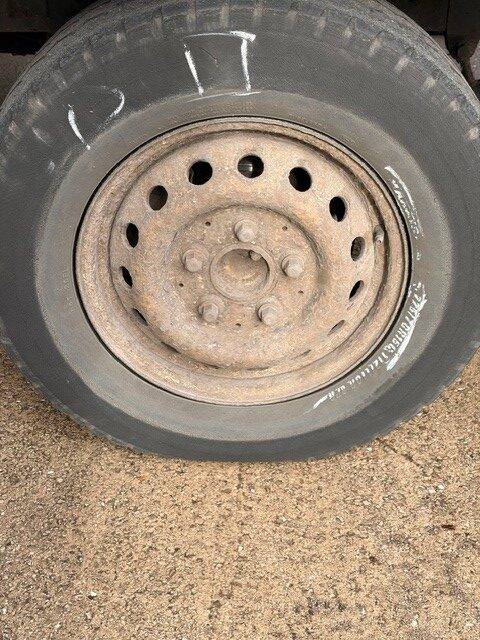
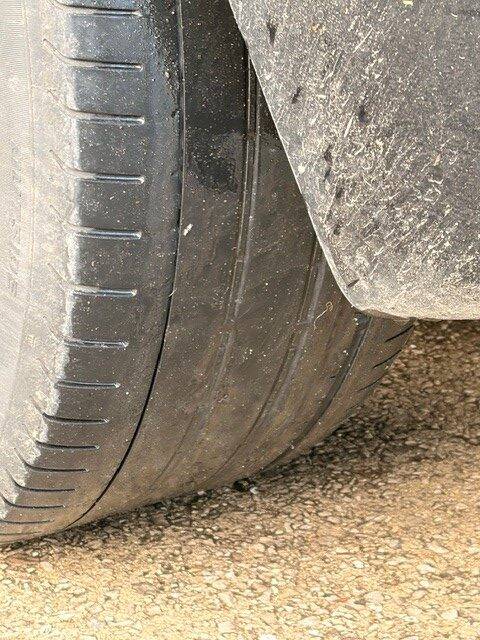
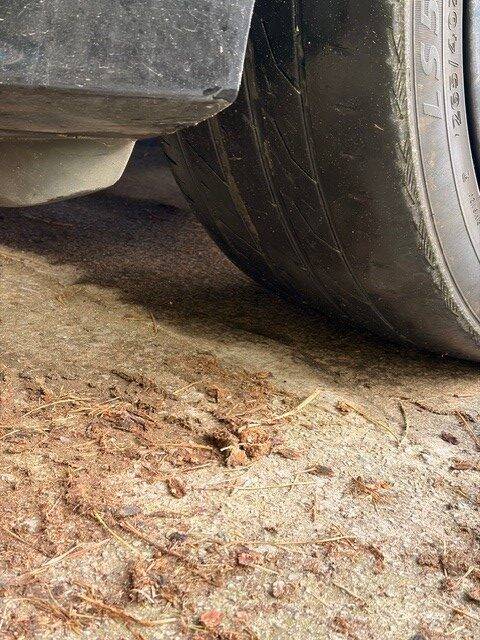
- Tread Depth Concerns: A staggering 37 tyres were identified as being at or below 2mm, nearing the legal limit of 1.6mm (1mm for HGV and motorcycle).
- Illegal Tyres: 7 tyres were found to be illegally worn.
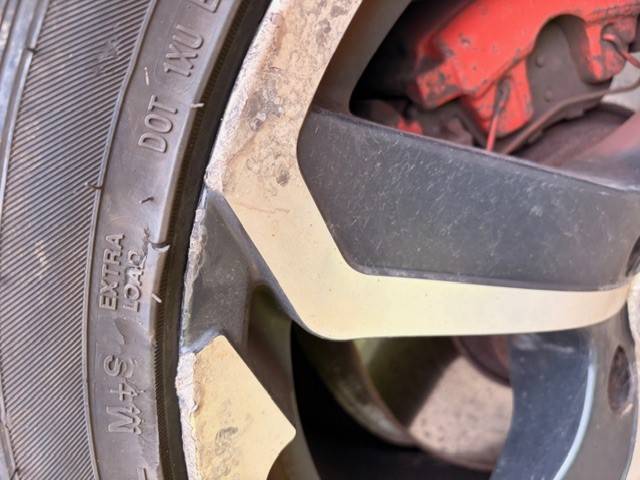
- Critical Safety Issues: Inspections uncovered 1 tyre with exposed cords, 2 severely under-inflated tyres, and 1 tyre with an item embedded in the tread.
- Advisories: 3 “replace tyre” advisories were issued specifically due to wear.
The “Part Worn” Concern and Regulatory Risk
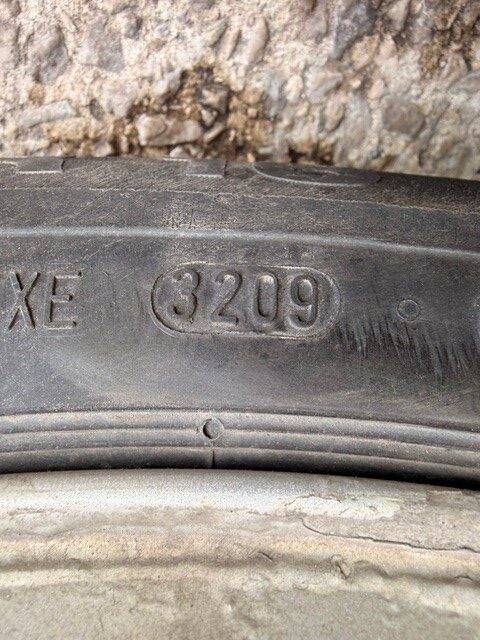
A significant observation during the operation was the high prevalence of part worn tyres within the sample. This trend was frequently characterised by an unusually high number of winter tyres being fitted out of season, often sourced as second-hand stock from other European countries.
Beyond the unsuitability of winter compounds for UK summer conditions, these tyres carry significant “hidden” risks:
- Internal Defects: Part worn tyres may have structural damage that is not visible to the naked eye but compromises the tyre’s integrity at speed.
- Regulatory Non-Compliance: There is a high risk that these tyres have not been properly checked or undergone the mandatory inflation test required by The Motor Vehicle Tyres (Safety) Regulations 1994 (reg.7.). Under these regulations, part worn tyres must be marked “PART-WORN” and be free of large cuts, bulges, or exposed cords.
Conclusion
Operation Considerate demonstrates the power of multi-agency collaboration and the integration of modern technology in identifying road risks. While the “Fatal Four” remain a priority, the high volume of tyre defects—particularly those at or below 2mm and the influx of non-compliant part worn tyres—highlights a critical area for ongoing driver education. As GMP continues toward Vision Zero, proactive “Safer Vehicle” checks remain essential for removing dangerous vehicles from Bolton’s roads and protecting the community