Border Enforcement at MOTO Burton-in-Kendal Services Exposes Severe Commercial Vehicle Risks
Date: 19th May 2026
Location: MOTO Burton-in-Kendal Services (M6 Northbound), Cumbria/Lancashire Border
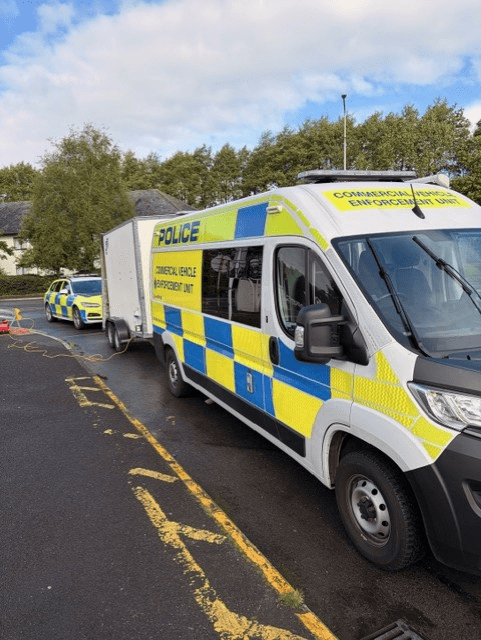
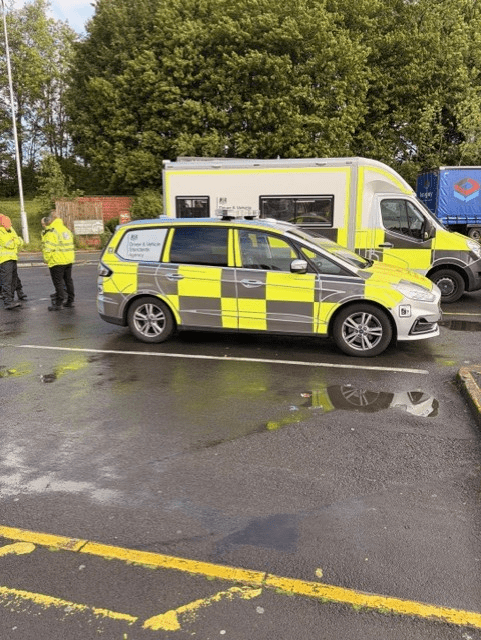
Partners: Cumbria Constabulary, Lancashire Constabulary’s Commercial Vehicle Enforcement Unit (CVU), the Driver and Vehicle Standards Agency (DVSA), and TyreSafe.
Overview
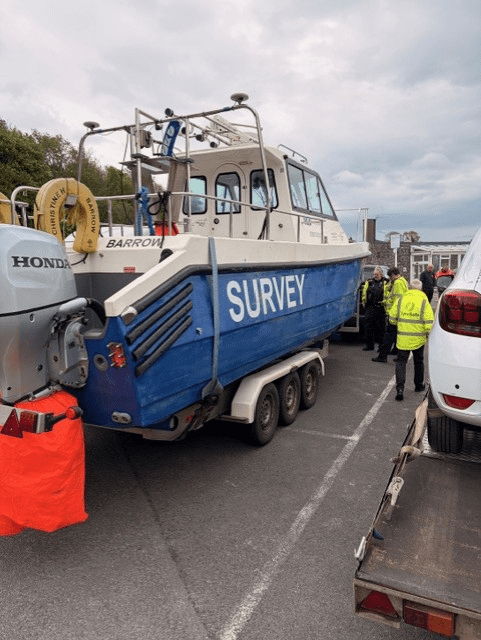
Multi-agency collaboration remains an essential pillar of the Safe System approach, specifically targeting the “Safe Vehicles” component to remove high-risk road users and unroadworthy assets from the UK’s roads. Yesterday, TyreSafe supported a high-impact roadside enforcement operation situated at the strategic gateway to the North West: MOTO Burton-in-Kendal Services.
Located on the M6 motorway in Cumbria, immediately adjacent to the border with Lancashire, this specific checkpoint provided the ideal cross-border environment for a joint operation. It allowed Cumbria Constabulary and Lancashire Constabulary’s Commercial Vehicle Unit to unite their regional resources alongside enforcement officers from the DVSA.
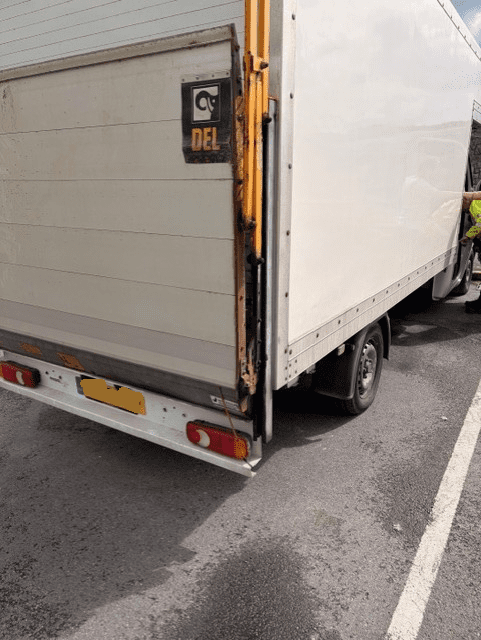
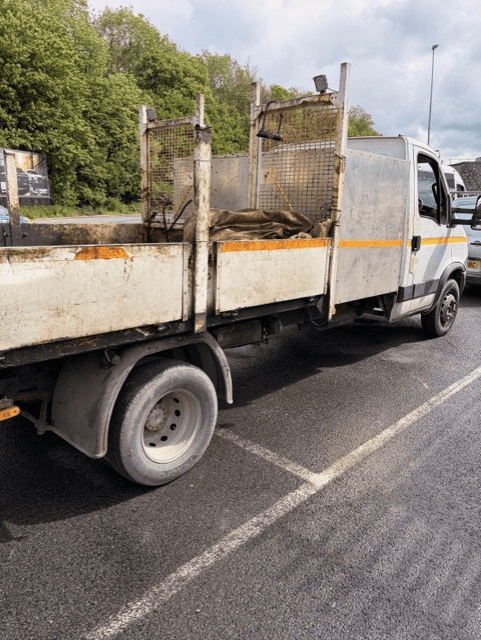
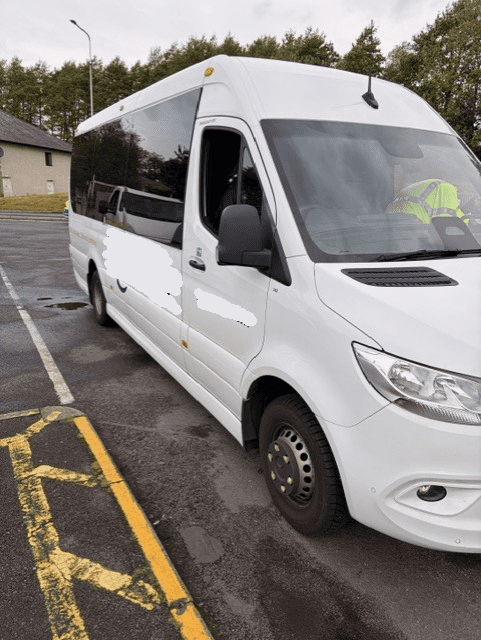
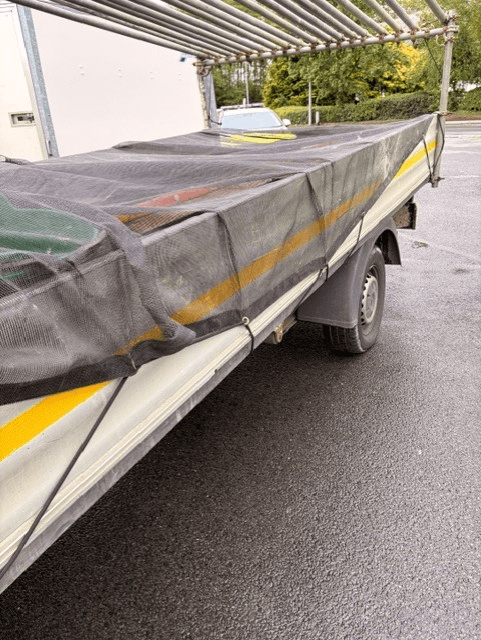
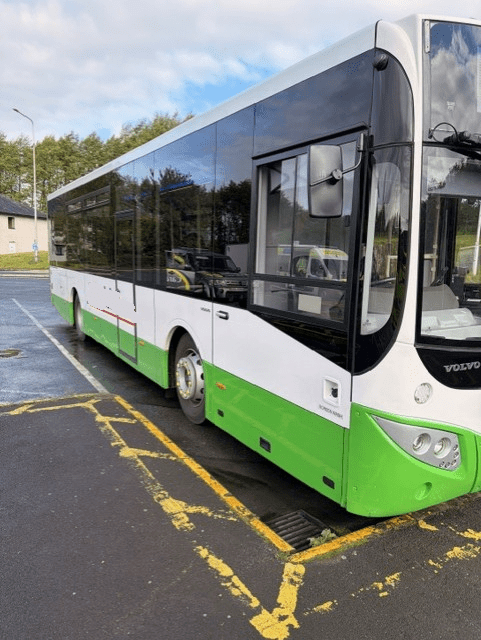
The operational focus was strictly directed at Light Commercial Vehicles (LCVs/vans), Passenger Carrying Vehicles (PCVs), and trailers traveling northbound. By utilising the dedicated layout of the service station as a static inspection checkpoint, authorities aimed to intercept immediate safety compliance breaches, gather real-world fleet maintenance data, and educate drivers on the critical importance of preventative maintenance.
The findings paint a stark picture of neglected driver responsibilities, with tyre defects and severe overloading combining to create potentially catastrophic road safety risks on one of the country’s busiest freight corridors.
TyreSafe Technical Inspection Insights
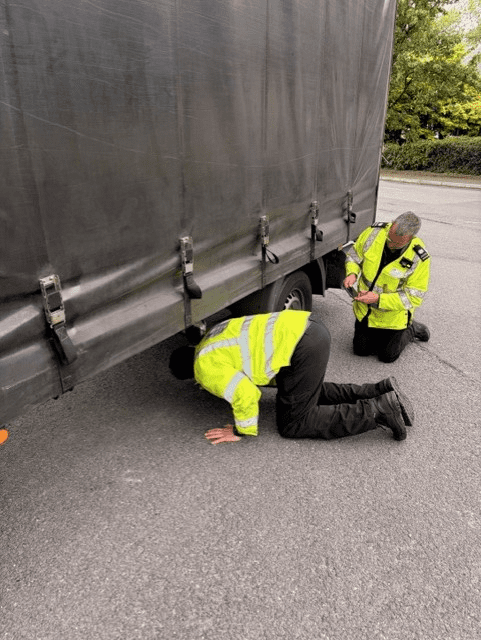
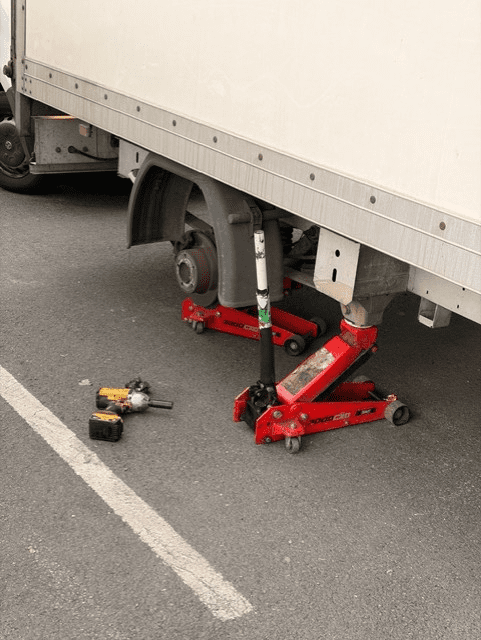
During the operation, the TyreSafe technical team conducted detailed physical inspections of 21 targeted vehicles intercepted on the M6. Alarmingly, a substantial proportion of the sample demonstrated a complete lack of basic maintenance, uncovering critical safety risks that should have easily been identified before the vehicles began their journeys.
Out of the 21 vehicles inspected by TyreSafe, the team discovered:
-
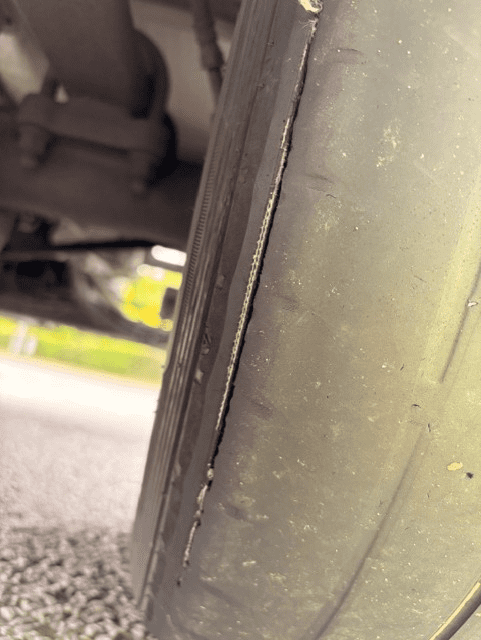
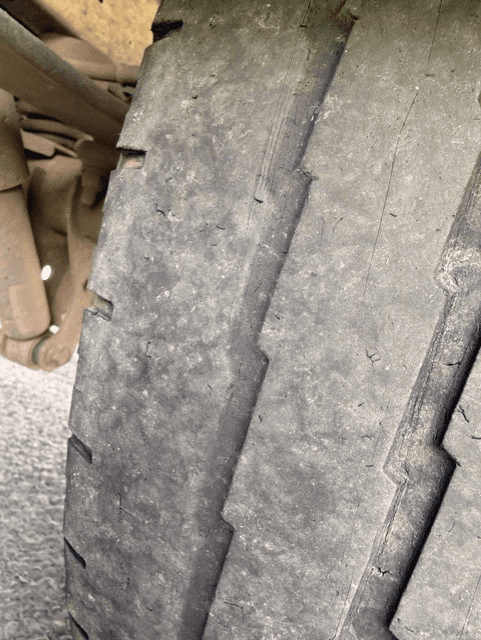
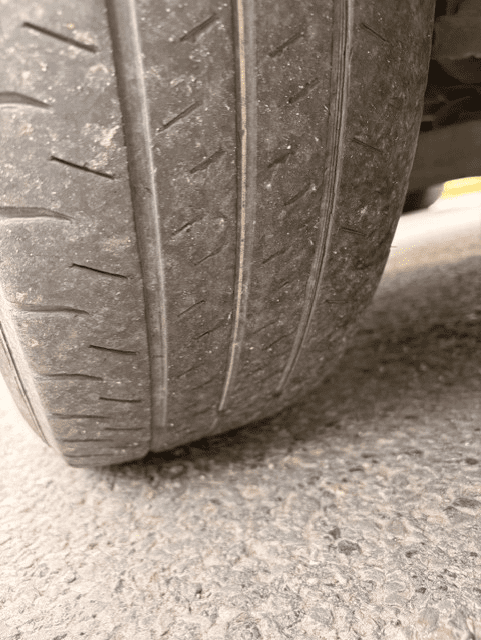
1 x Van with Critical Tread and Structural Failure: Found with an illegal tyre worn well below the 1.6mm statutory limit, with its internal structural cords exposed. This represents an extreme risk of explosive, rapid deflation at motorway speeds.
-
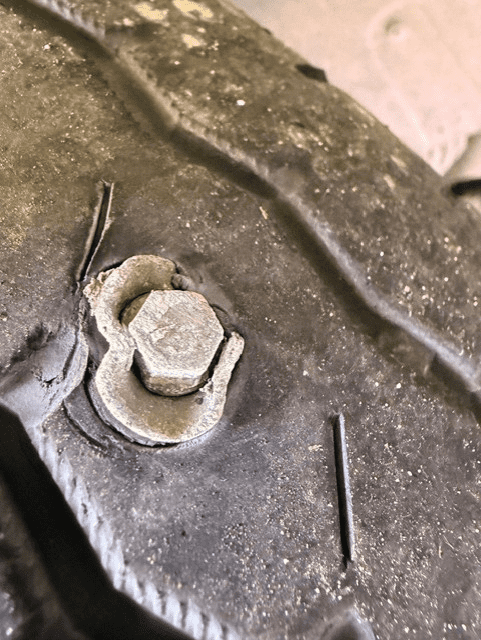
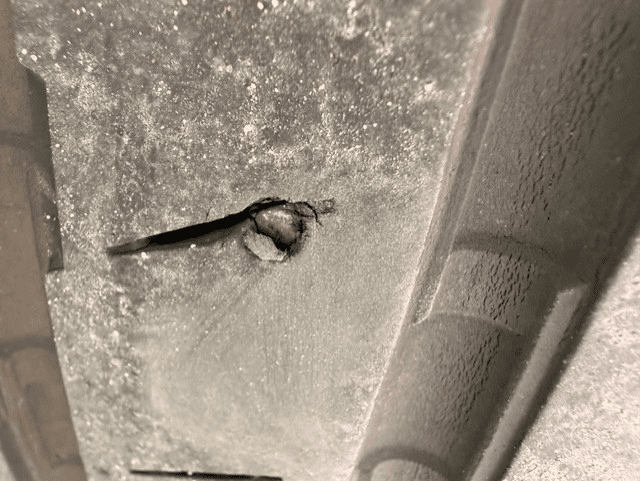
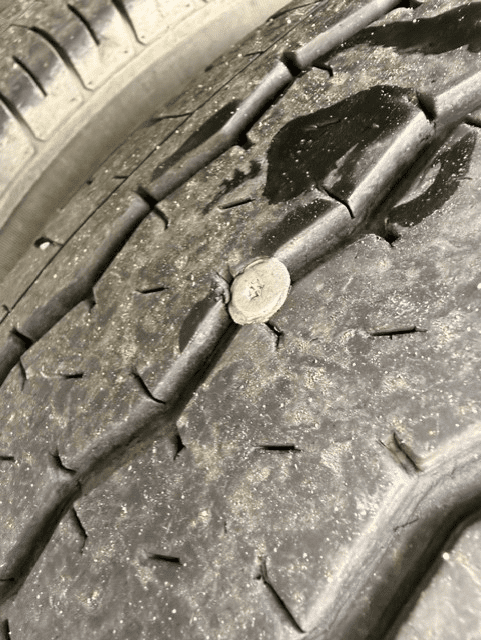
3 x Vans with Active Punctures: These vehicles had visible punctures that had gone completely unnoticed by the drivers.
-
2 x Vans with Severe Under-Inflation: Found with at least one tyre under-inflated by 20% or more compared to the manufacturer’s guidance, with no obvious signs of a puncture.
TyreSafe identified 6 severe tyre-related faults—meaning more than one in four vehicles (28.6%) was operating with a critical safety risk that should have been caught during a daily walkaround check.
TyreSafe inspectors also found;
- 2 x Vans with Borderline Tyres: Found with tread depths measuring between 1.6mm and 3mm. While legally compliant at that exact moment, these tyres are fast approaching the statutory minimum and suffer from significantly reduced grip and increased stopping distances in wet weather.
The Forgotten Daily Walkaround Check
Crucially, every single one of these eight tyre issues should have been picked up during the driver’s statutory daily walkaround checks, but they weren’t. Neglecting basic pre-journey inspections leaves drivers entirely unaware of the ticking time bombs beneath their fleet.
Furthermore, TyreSafe experts witnessed multiple severe cases of vehicle overloading. When a vehicle is heavily overloaded and this is combined with an under-inflated tyre, the compound effect is highly volatile. Under-inflation causes excessive heat build-up due to increased sidewall flexing, and when subjected to the extra stress of an illegal payload, the risk of a catastrophic, un-controllable tyre blowout is exponentially multiplied.
Wider Enforcement: The Combined Agency Results
The wider operational statistics compiled by Cumbria Constabulary, Lancashire CVU, and the DVSA at the Burton-in-Kendal site reinforce TyreSafe’s long-standing message: vehicle defects are rarely isolated and are almost always symptomatic of wider fleet non-compliance and poor operational standards.
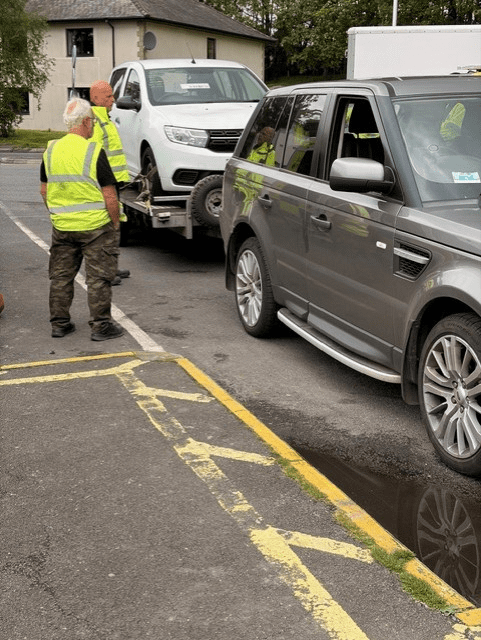
Of the 21 vehicles stopped and processed, the partner agencies issued a substantial volume of immediate prohibitions, warnings, and prosecutions:
-
8 x PG9 Prohibitions: Immediate or delayed prohibitions for mechanical failures and dangerous vehicle conditions, forcing the vehicles off the road until corrected.
-
7 x Weight Prohibitions: Issued to vehicles found to be legally overloaded, requiring them to offload cargo before continuing.
-
8 x Verbal Warnings: Handed down to drivers for minor or developing compliance discrepancies.
-
3 x Traffic Offence Reports (TORs): Issued for serious, high-harm offences, specifically identifying a Tyre defect, an Insecure load, and Mobile phone use behind the wheel.
-
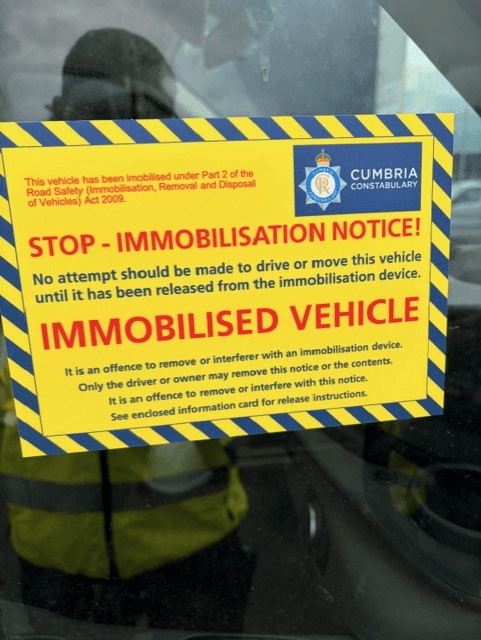
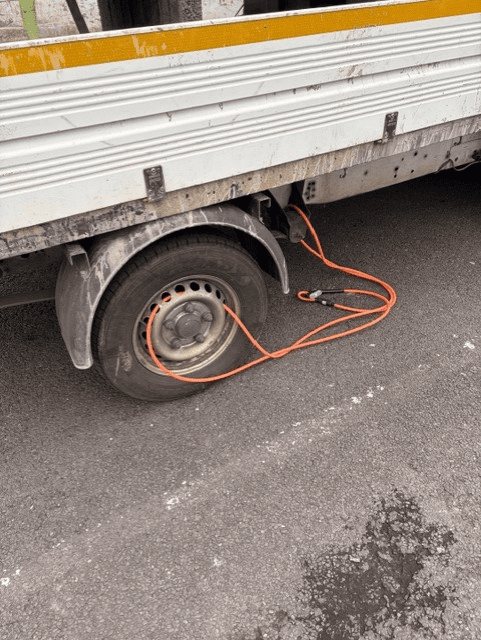
6 x Vehicles Cabled: Immobilised on-site due to the severity of their non-compliance.
Analysis and Safe System Integration
The outcomes of this joint border operation highlight why TyreSafe continues to campaign for greater prominence for vehicle defects within broader enforcement strategies. Preventative maintenance is a core requirement of the Safe System approach. Driving a commercial asset on the motorway network with exposed tyre cords, undetected punctures, and illegal overloading demonstrates a failure in the duty of care that compromises the safety of all road users.
This operation serves as a strong reminder of the importance of TyreSafe’s core ACT principle:
-
Air Pressure: Checking pressures matches manufacturer guidance for loaded conditions.
-
Condition: Inspecting the carcass for cuts, bulges, embedded objects, and punctures.
-
Tread: Ensuring tread depth is safely above the legal limit across the entire width.
Conclusion
This successful day of action demonstrates the undeniable value of cross-border, multi-agency enforcement at critical strategic points like MOTO Burton-in-Kendal Services. By combining the specialist technical expertise of TyreSafe with the statutory enforcement powers of the DVSA, Cumbria Constabulary, and Lancashire Constabulary, high-risk vehicles were effectively identified and removed from the network before causing a serious collision.
TyreSafe will continue to utilise data from these operations to advocate for the inclusion of tyre defects as a priority offence within national roads policing strategies, while working to provide commercial drivers and operators with the knowledge and tools needed to eliminate tyre-related harm entirely.