The Bradford Community Tyre Safety Initiative
Partner Organisations: TyreSafe, Good Egg Safety, and Bradford Council
Location: Tesco, Valley Road, Bradford
Focus: Holistic Child and Vehicle Safety
Executive Summary
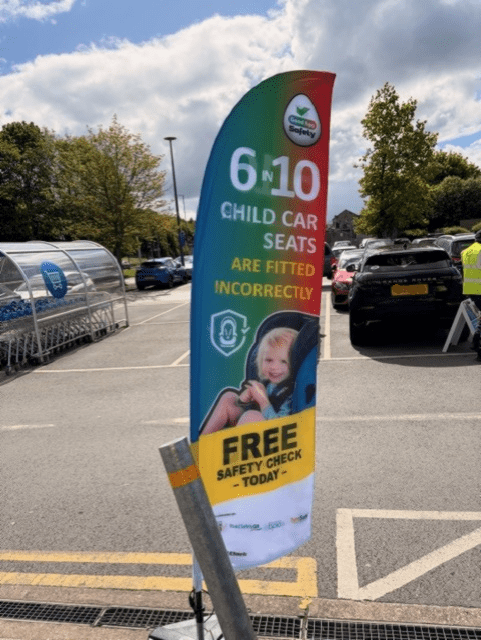
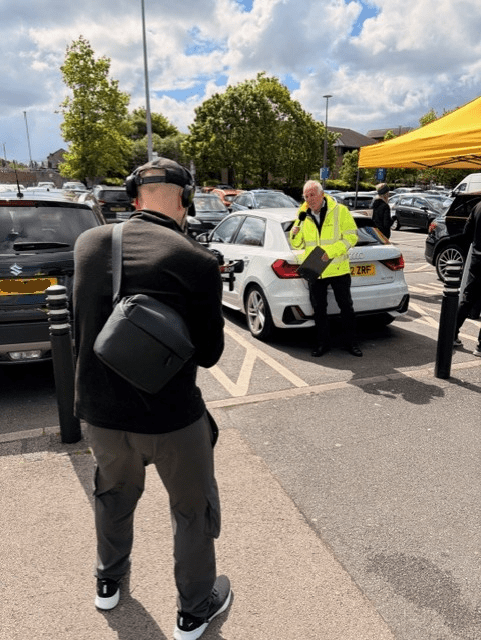
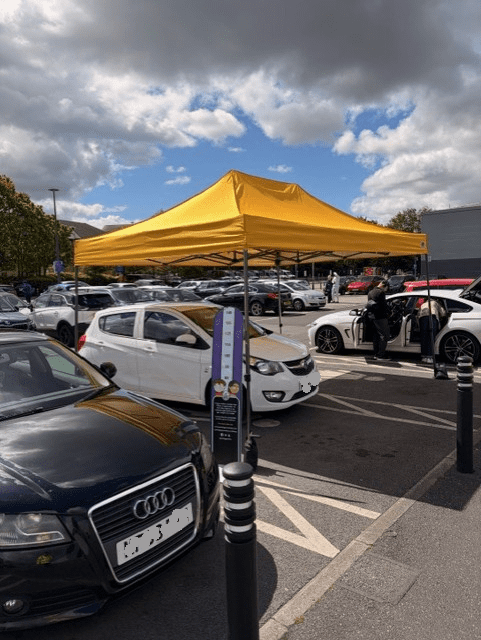
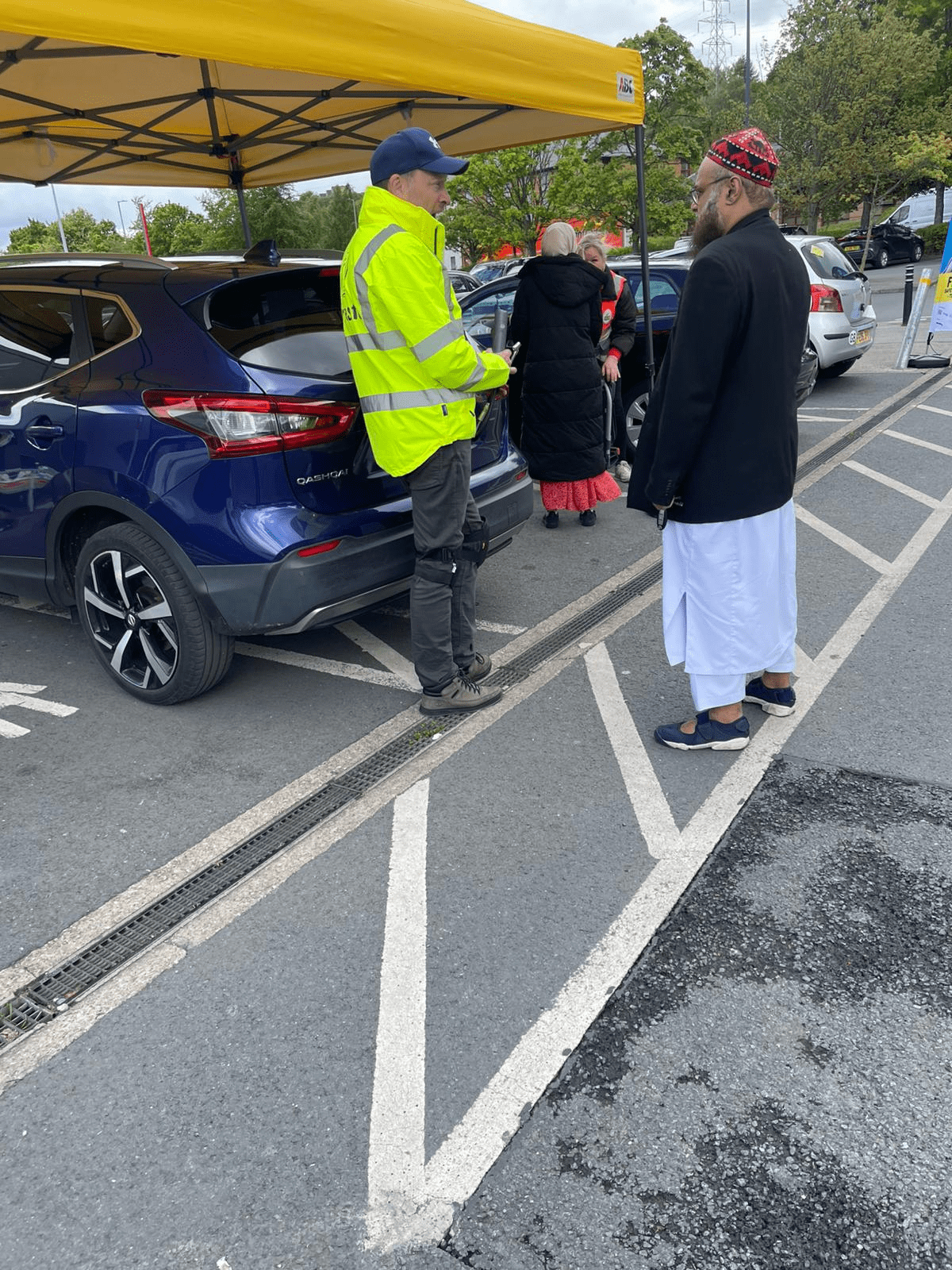
In a collaborative effort to enhance community road safety, TyreSafe partnered with Good Egg Safety and Bradford Council to deliver a free, public-facing safety event at Tesco on Valley Road, Bradford. The initiative linked two critical pillars of family road safety: child car seat compliance and tyre safety awareness.
The core message of the event was clear: protecting children on the road requires not only a correctly fitted child seat but also a roadworthy vehicle. As the only point of contact between a vehicle and the road, tyres play a foundational role in the efficacy of any on-board safety feature.
Campaign Mobilisation & Engagement
To encourage community participation, a multi-channel communication strategy was deployed across Bradford:
-
Digital Outreach: Targeted promotion within local community Facebook groups.
-
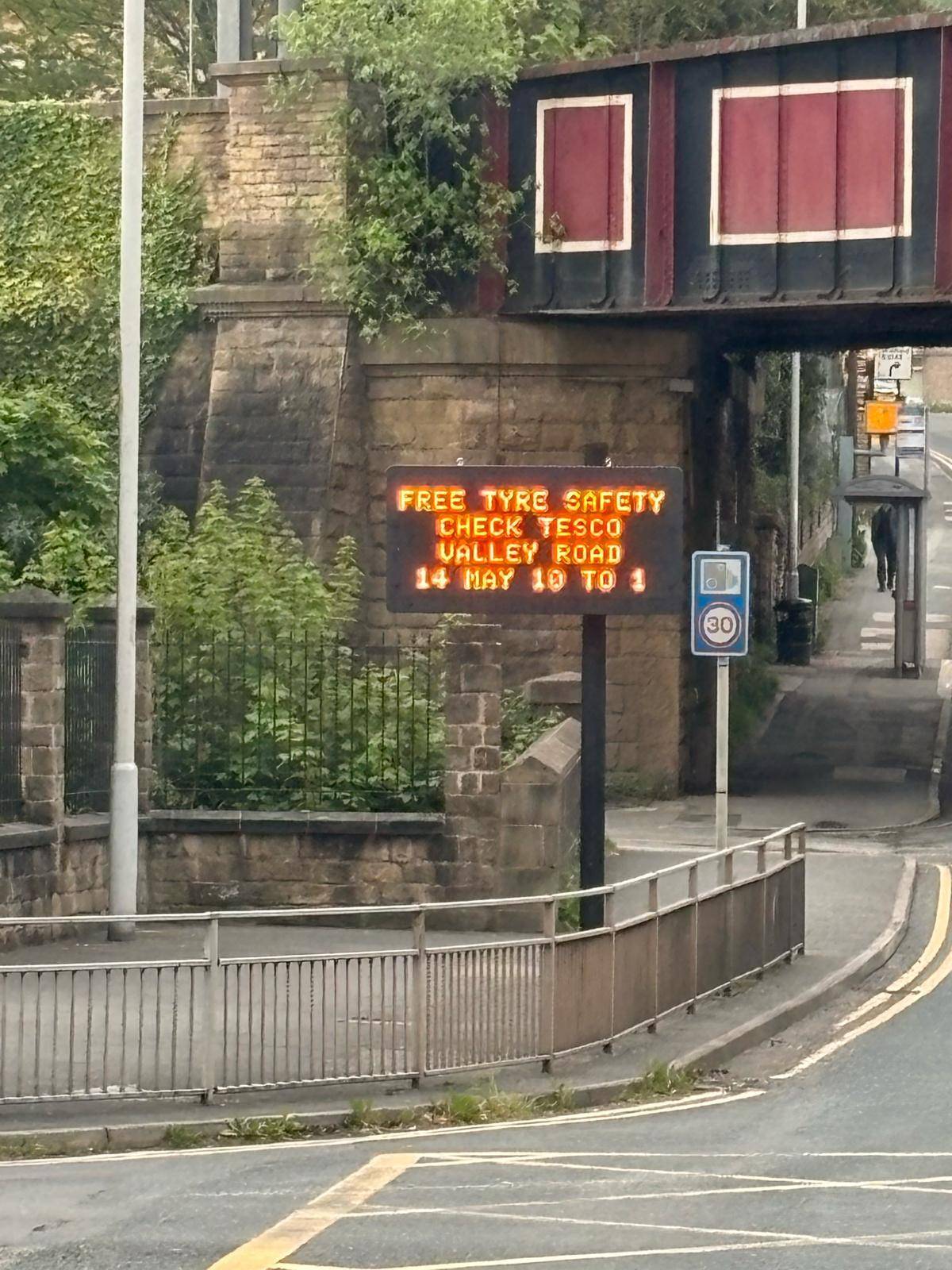
Infrastructure Messaging: High-visibility Variable Message Signs (VMS) positioned across the city to capture the attention of drivers in real-time.
As a voluntary, self-selecting event rather than an enforcement operation, motorists actively chose to participate, seeking free expert checks and advice.
Key Findings & Data Analysis
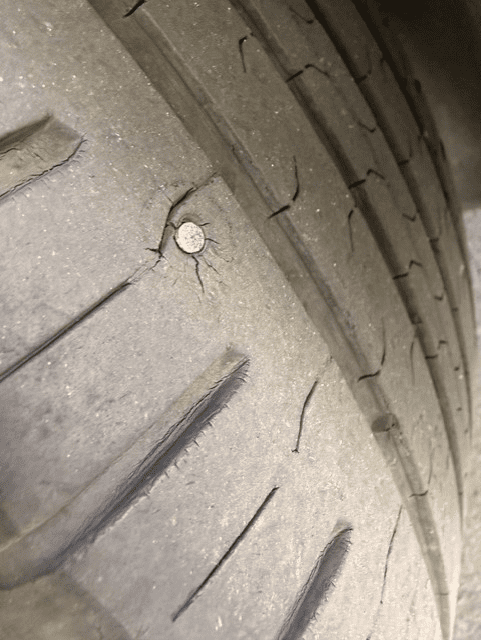
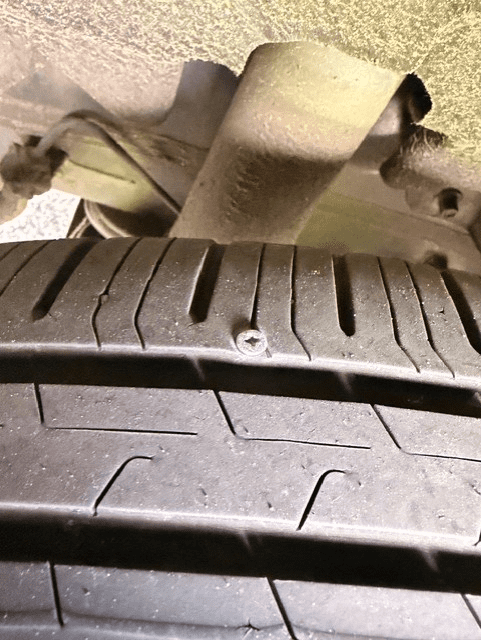
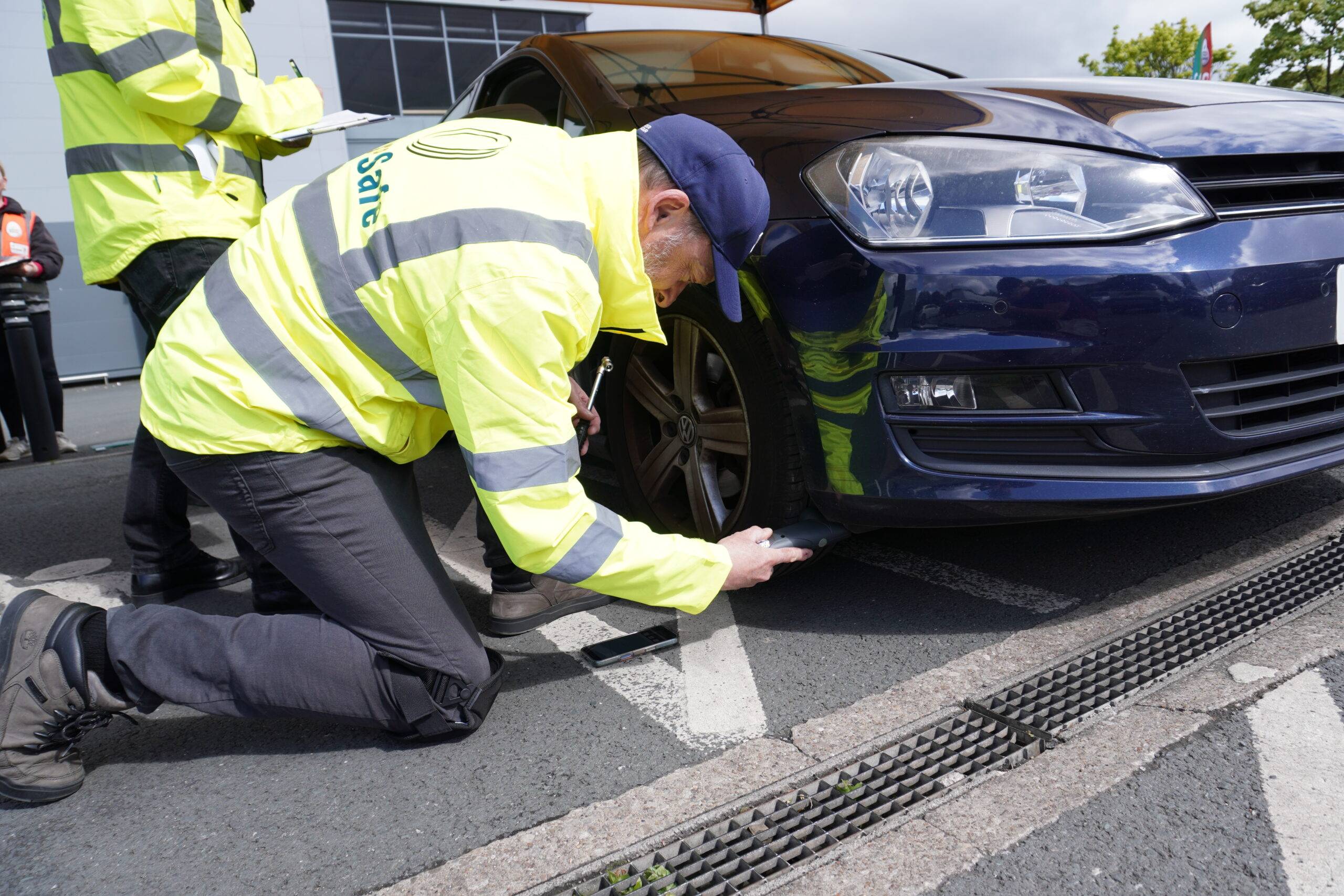
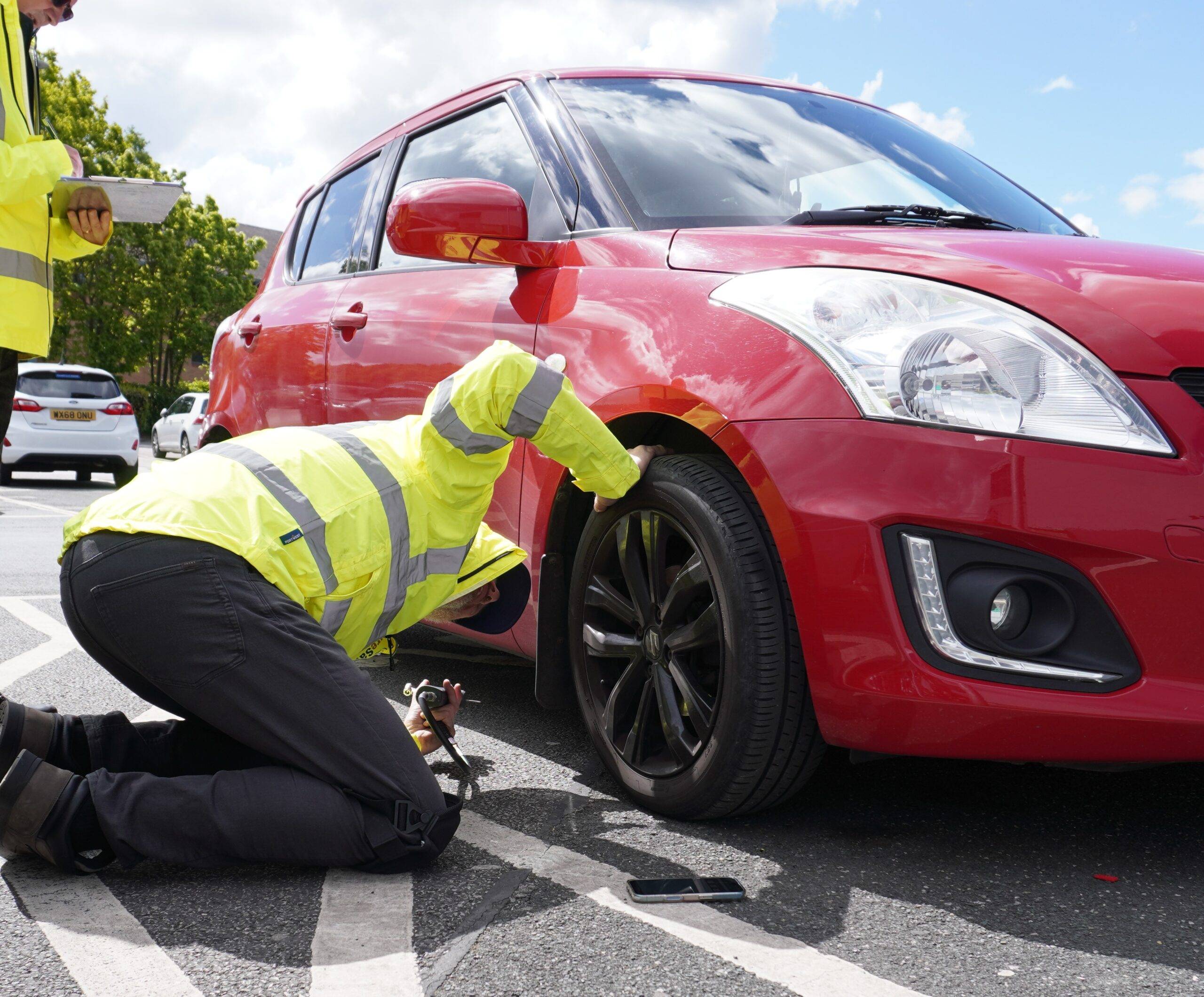
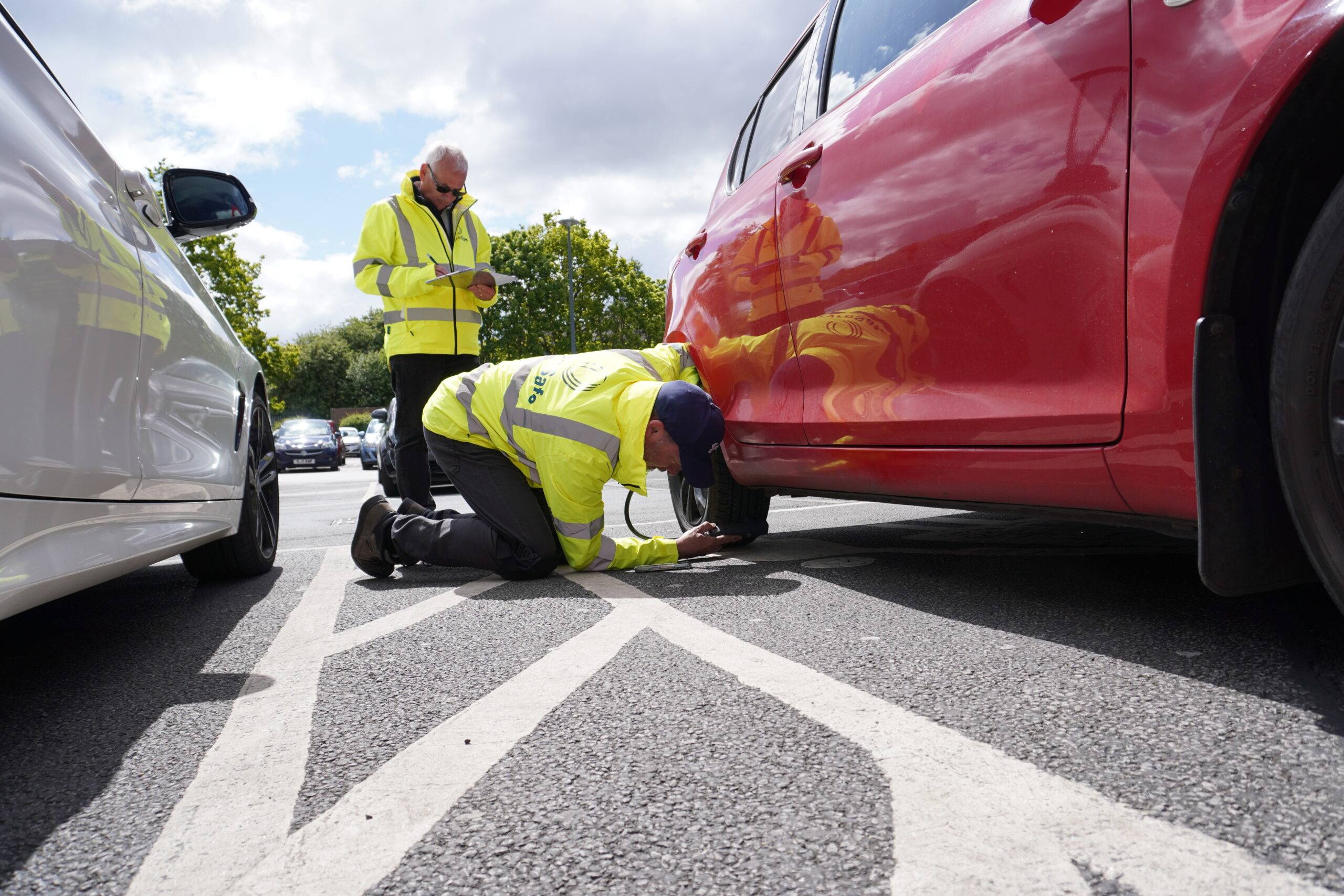
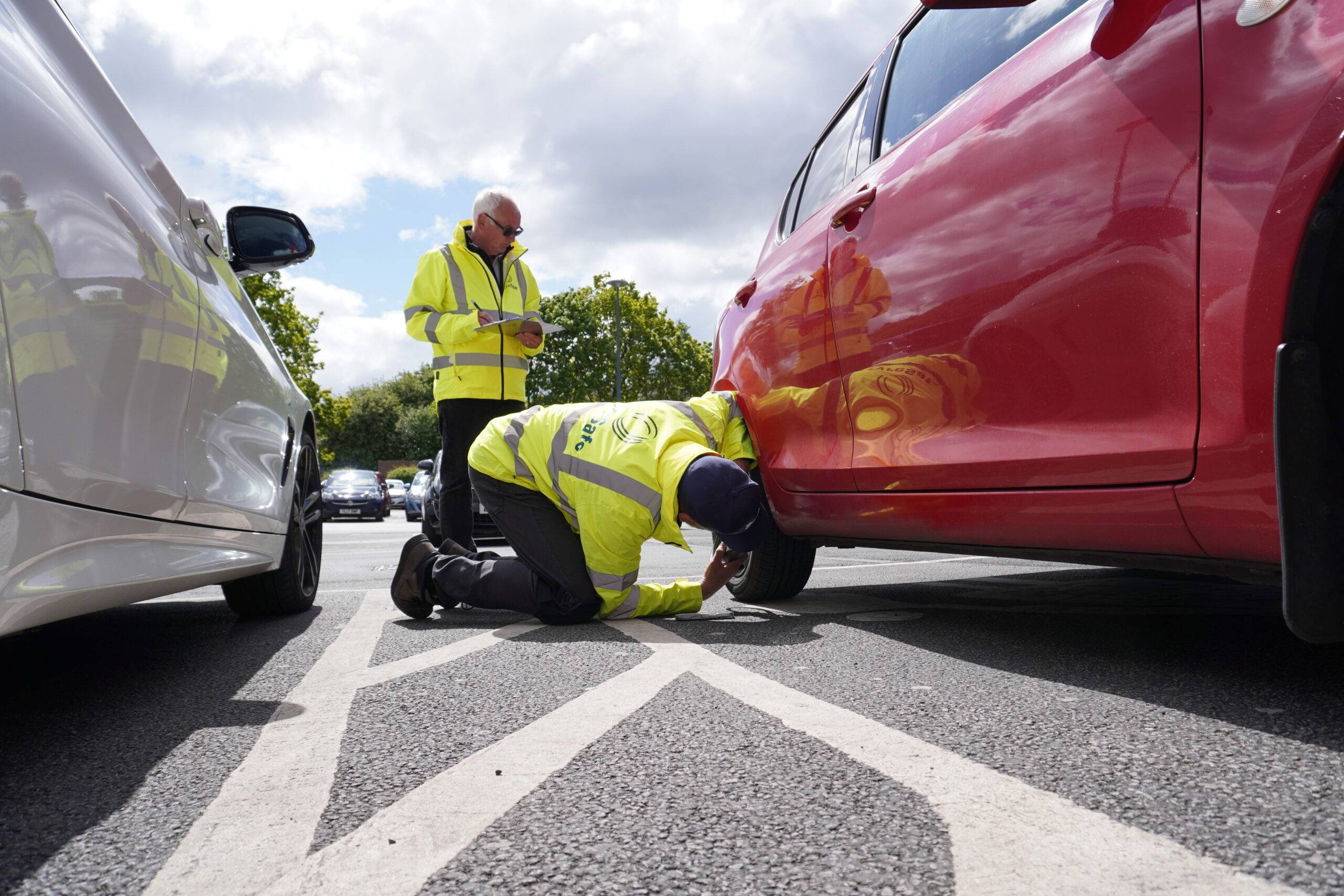
During the event, TyreSafe technicians conducted comprehensive assessments of 124 tyres across 31 vehicles (averaging 4 tyres per vehicle). Five vehicles (16%) had tyre defect that would have caused the vehicle to fail an MOT (4 x punctures and 1 x severe under-inflation).
1. Age Profiles of the Sample Vehicles
An analysis of the vehicle registration data revealed a very broad and diverse vehicle age profile across the sample. The vehicles spanned exactly two decades of manufacturing, with the oldest car registered in 2005 and the newest registered in 2025.
This 20-year span highlights that the community event successfully engaged drivers across a wide demographic—from owners of older, higher-mileage vehicles to those driving modern cars equipped with advanced driver assistance systems (ADAS), both of which equally rely on tyre health to function safely.
2. Tread Depth Health Check
Reflecting the self-selecting nature of the sample, compliance regarding legal tread depth limits was high. No vehicles were found to be operating with illegal tread depths (below the 1.6mm statutory limit). However, analysis of the lowest single tyre reading per vehicle revealed that over a third of the fleet required ongoing monitoring or imminent action.
| Category | Minimum Tread Depth | Number of Vehicles | % of Sample | Action Required |
| Amber (Warning) | 1.6mm – 3.0mm | 1 | 3.2% | Replace tyre very soon; increase monitoring. |
| Yellow (Monitor) | 3.1mm – 4.0mm | 11 | 35.5% | Good condition, but notable wear. Plan for replacement. |
| Green (Good) | Above 4.0mm | 19 | 61.3% | Healthy tread depth. Routine maintenance. |
3. Positional Wear & Alignment Anomalies
By tracking the lowest reading for each tyre position across the sample, distinct wear patterns emerged:
-
Front Axle Wear: The Nearside Front (Passenger Side) and Offside Front (Driver Side) exhibited the lowest average minimum treads at 4.9mm and 5.1mm respectively. This aligns with typical front-wheel-drive dynamics, where the front axle bears the brunt of braking, steering, and cornering forces.
-
Irregular Wear Patterns: Cross-referencing individual tyre readings (Inner, Middle, and Outer sections) highlighted several vehicles suffering from irregular wear. This uneven degradation serves as a leading indicator for tracking/alignment faults or incorrect inflation pressures.
4. Critical Safety Concerns Beyond Tread Depth
While tread depth metrics were largely compliant, the event exposed significant, hidden safety risks that motorists were entirely unaware of. These qualitative findings represent the highest risk to road users:
-
Inflation Discrepancies: A widespread prevalence of severely under- and over-inflated tyres, directly compromising vehicle stability, braking distances, and tyre longevity. One tyre recorded just 9.8 psi versus the manufacturer’s recommendation of 34 psi – less than 28% inflated – and would cause the vehicle to fail an MOT.
-
Substandard Part-Worn Tyres: A high volume of non-compliant part-worn tyres were found in active use.
-
Mismatched Axle Patterns: Multiple instances of dangerous tyre pairing on the same axle, such as a winter tyre mismatched with a summer tyre, which drastically alters handling characteristics.
-
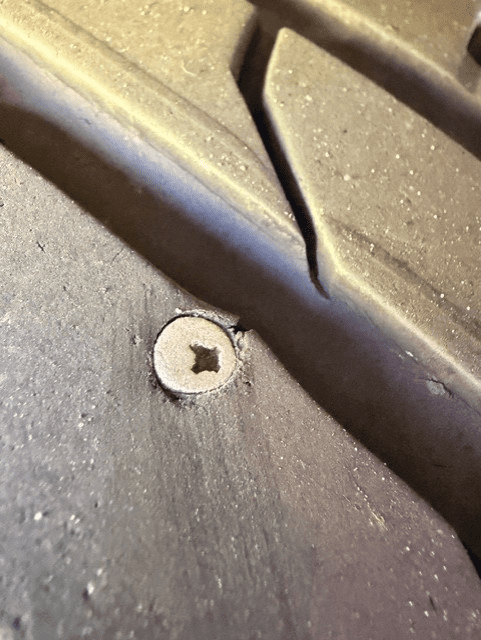
Undetected Damage: Technicians identified FOUR active punctures that drivers had not noticed and which would cause the vehicles to fail an MOT.
-
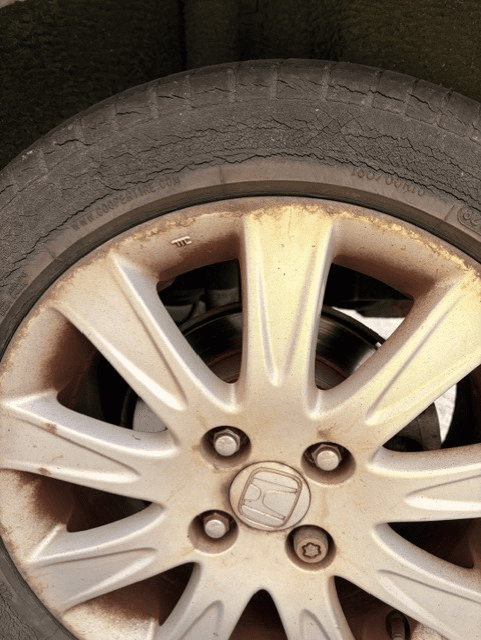
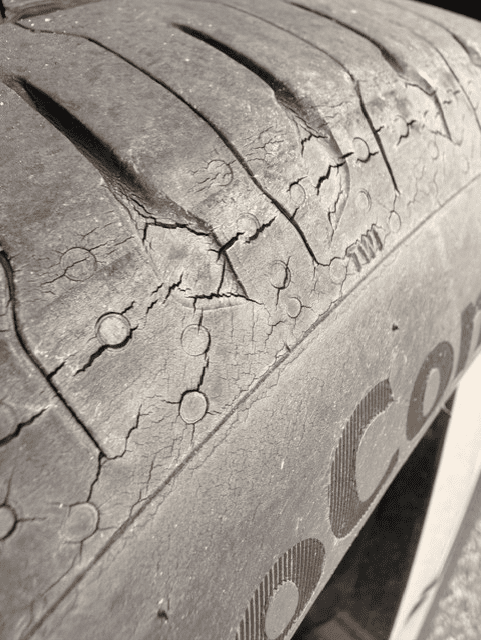
Ageing Rubber: Several vehicles were operating on severely aged tyres—some up to 16 years old—exhibiting clear signs of structural degradation, including visible cracking in the sidewalls. Interestingly, these aged, degrading tyres were found even on vehicles where tread depth was otherwise legally compliant, hiding a profound structural risk in plain sight.
Educational Insights & Behavioural Barriers
The event highlighted a profound gap between driver intent and practical tyre maintenance knowledge:
-
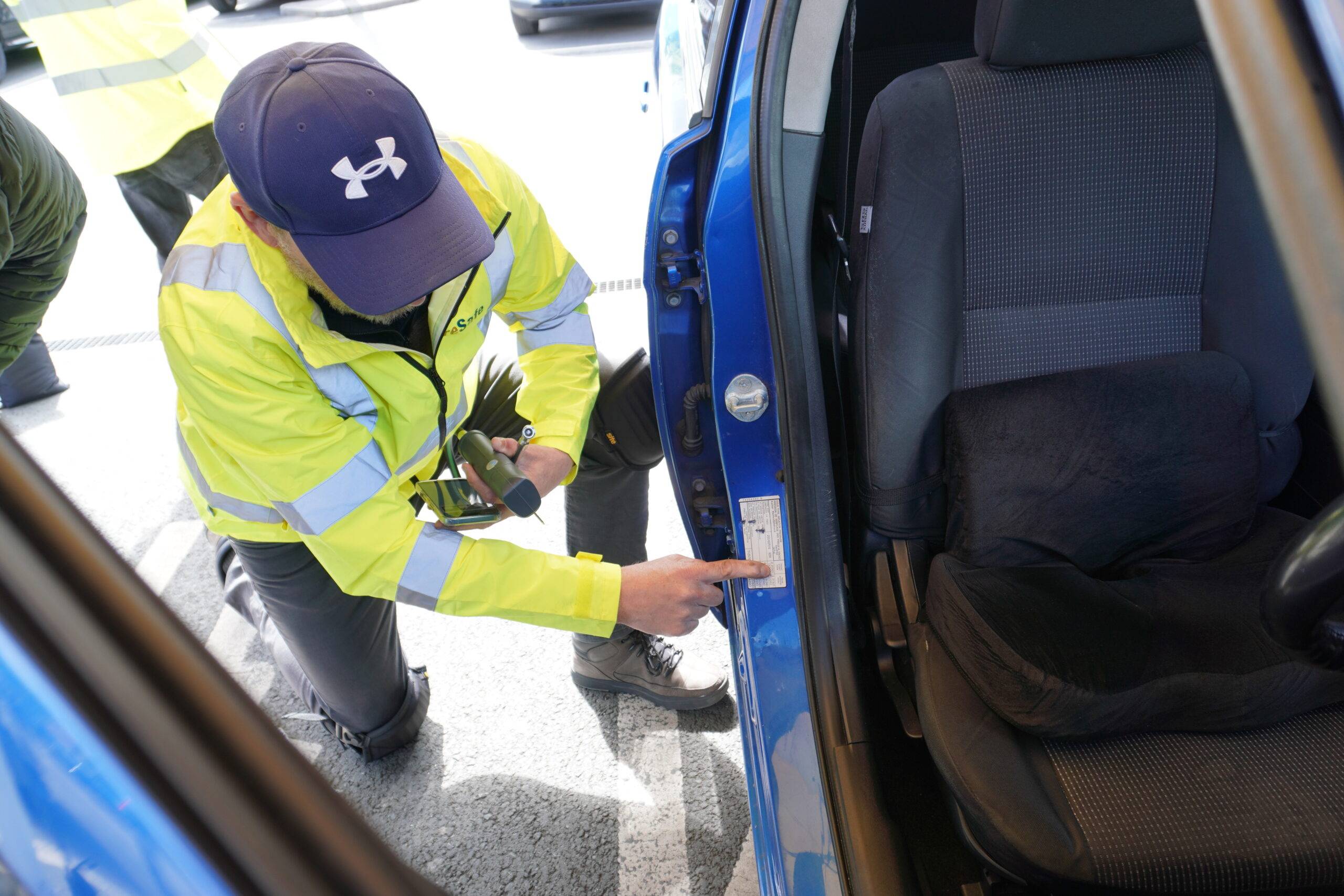
Information Misinterpretation: There was exceptionally low awareness regarding how to check tyre pressures, specifically where to locate the vehicle’s tyre pressure label and how to correctly interpret the data.
-
Forecourt Anxiety: Technicians identified a distinct lack of confidence and understanding regarding how to operate standard garage forecourt inflation machines. This barrier was notably prevalent among female motorists interviewed during the event.
- The Post-Check Knowledge Gap: Motorists demonstrated a fundamental uncertainty on how to visually inspect a tyre for structural deterioration and, crucially, what to do next if defects like heavy cracking or punctures were found.
Conclusion & Strategic Recommendations
The Bradford community event successfully identified and rectified immediate physical safety risks for participating motorists. More importantly, it underscored the critical need for continuous, practical education.
To achieve TyreSafe’s vision of zero harm on UK roads, future community interventions should:
-
Bridge the Knowledge Gap: Shift educational focus from why tyre safety matters to how to physically conduct checks (e.g., step-by-step guidance on reading pressure labels and using forecourt equipment).
-
Promote the Safe System Approach: Continue embedding tyre safety into broader family and child safety campaigns, reinforcing that preventative vehicle maintenance is an essential component of protecting drivers and vulnerable passengers across all vehicle age brackets.
- The Ultimate Call to Action: Uncertainty in how to check tyres underscores that diagnostic education is only half the battle. Future public engagement must always emphasise a clear safety pathway: ‘If in doubt, always seek professional advice from a reputable tyre retailer.’ Safely acting on a defect is just as critical as spotting it.