Case Study: Operation Doxey – Multi-Agency Commercial and Leisure Vehicle Enforcement
Location: DVSA Vehicle Inspection Site, Doxey, Staffordshire
Date: Tuesday 25th August 2026
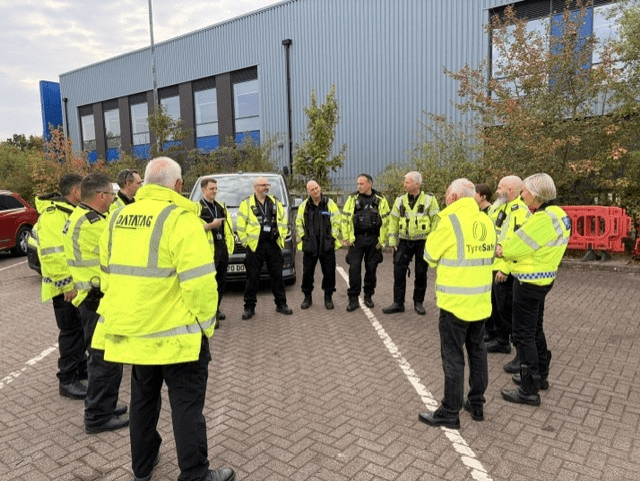
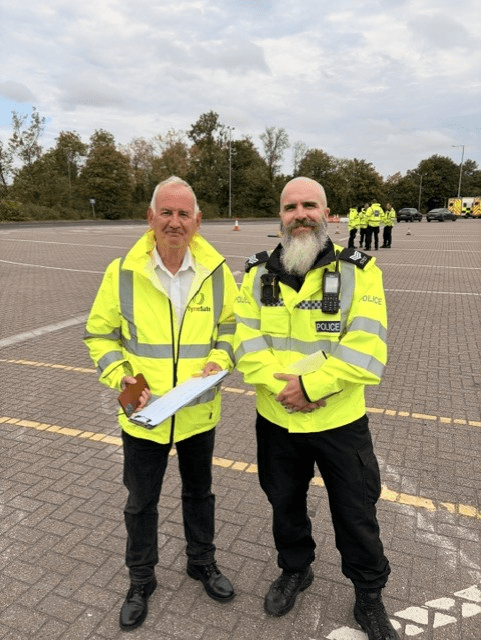
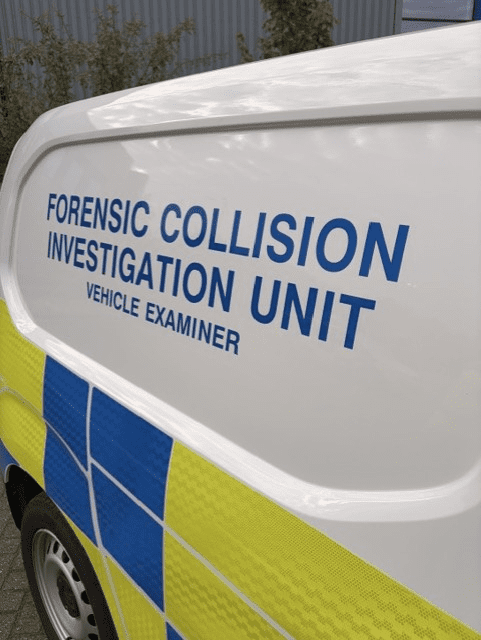
Partners: Staffordshire Police, West Mercia Police, DVSA, Datatag, Forensic Collision Investigation Unit (FCIU), and TyreSafe
Operational Overview
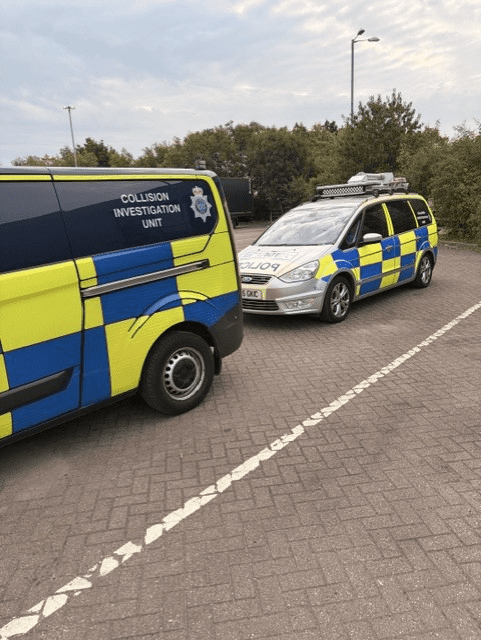
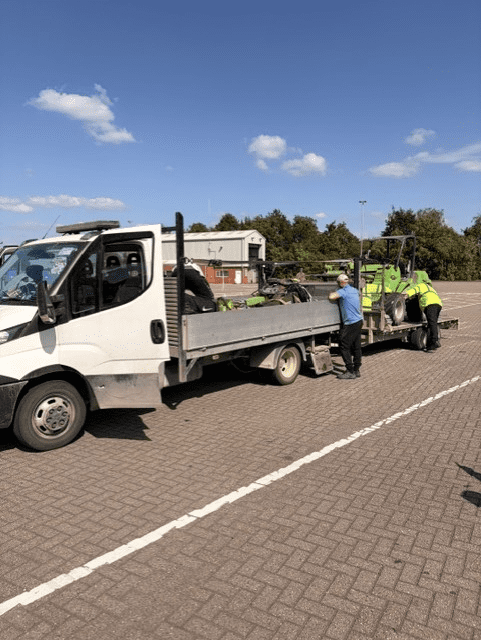
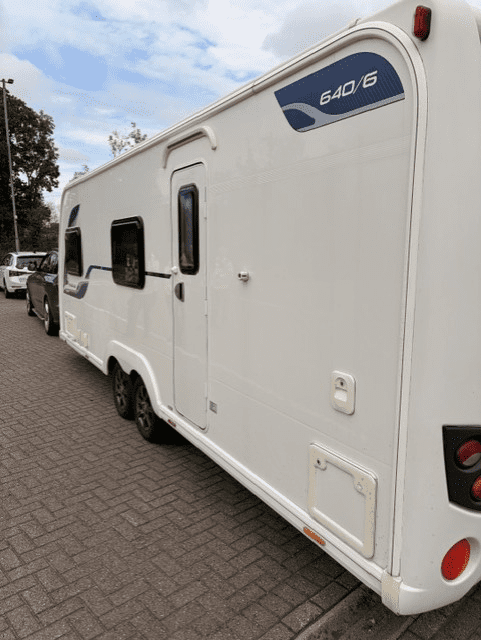
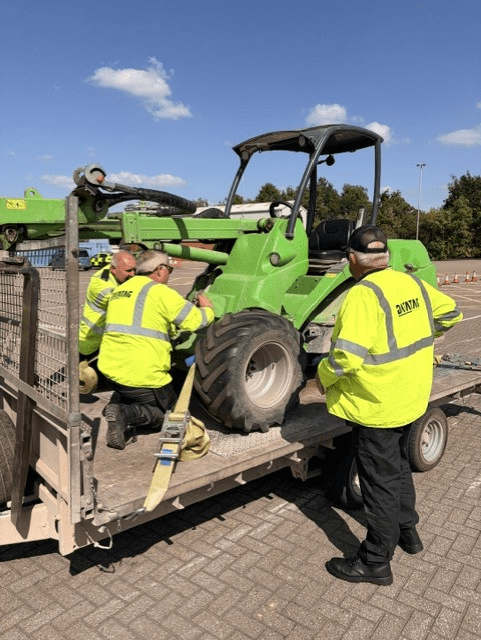
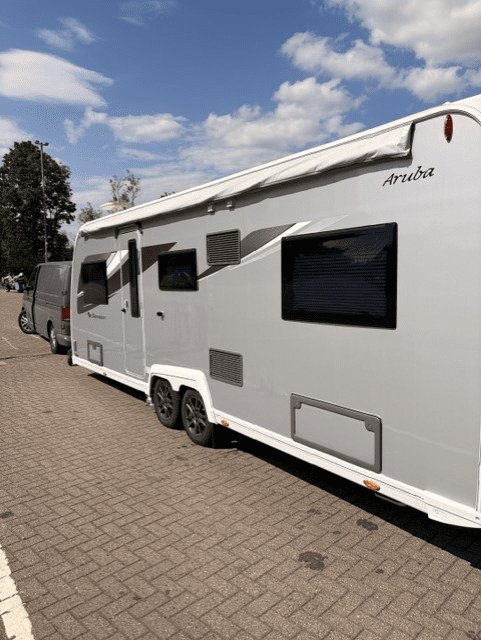
On Tuesday 25th August 2026, TyreSafe joined forces with Staffordshire Police, West Mercia Police, Datatag, and the Forensic Collision Investigation Unit (FCIU) at the DVSA vehicle inspection facility in Doxey, Staffordshire. The multi-agency targeted enforcement exercise focused on high-risk transport sectors, including leisure vehicles (motorhomes and caravans), vehicles towing for leisure or business, Light Commercial Vehicles (LCVs), and Goods Vehicles (LGVs).
The operation evaluated both roadworthiness and driver compliance, utilizing multi-agency expertise to conduct comprehensive roadside vehicle checks and tyre safety assessments.
Enforcement & Interventions Summary
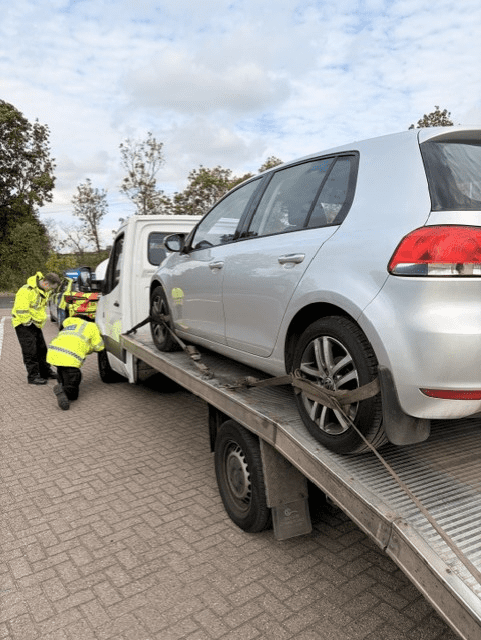
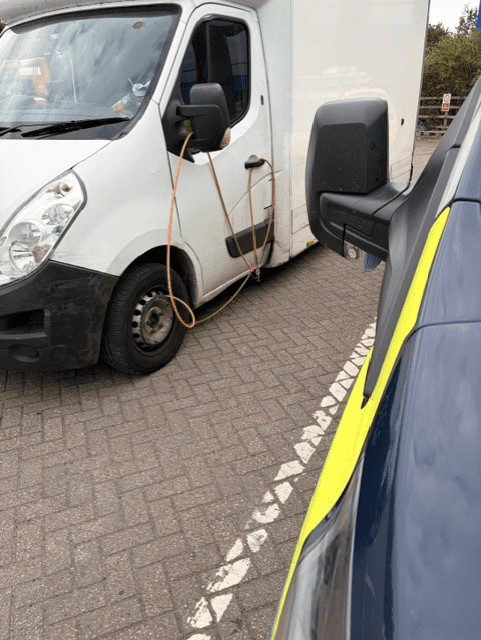
Police officers and examiners directed 30 vehicles into the Doxey site for thorough technical inspection. The operation resulted in the following operational outcomes:
-
30 Vehicles Intercepted & Inspected
-
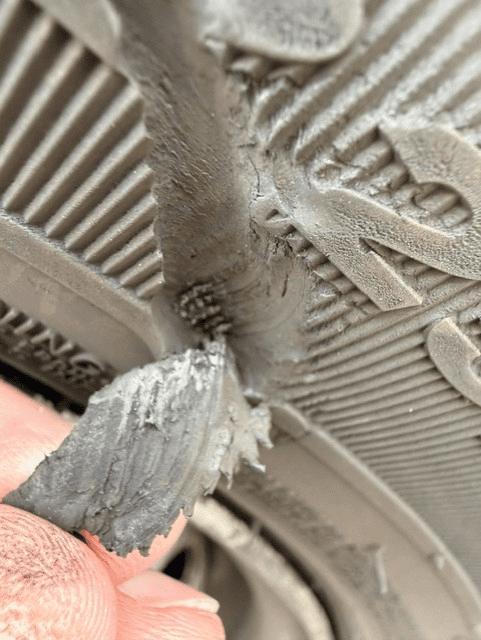
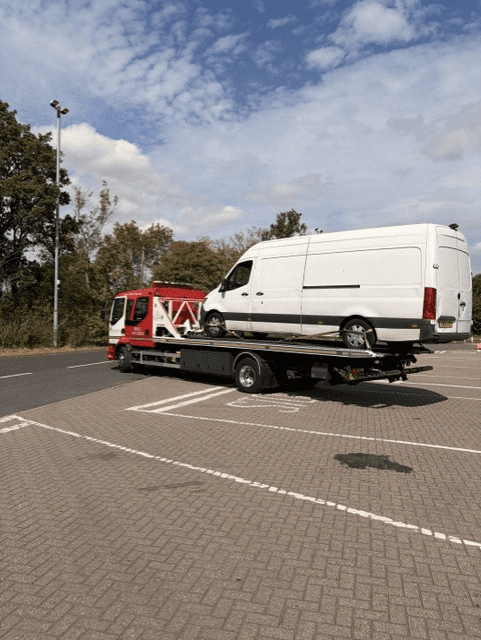
5 Immediate PG9 Prohibition Notices (issued for severe vehicle/tyre defects, including a tyre cut to the cord)
-
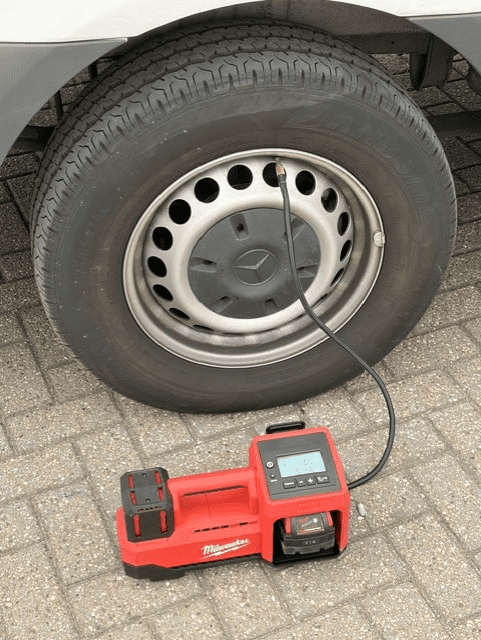
10 Educational / Safety Advice Interventions (at least 3 directly addressing underinflated tyres on motorhomes and caravans)
-
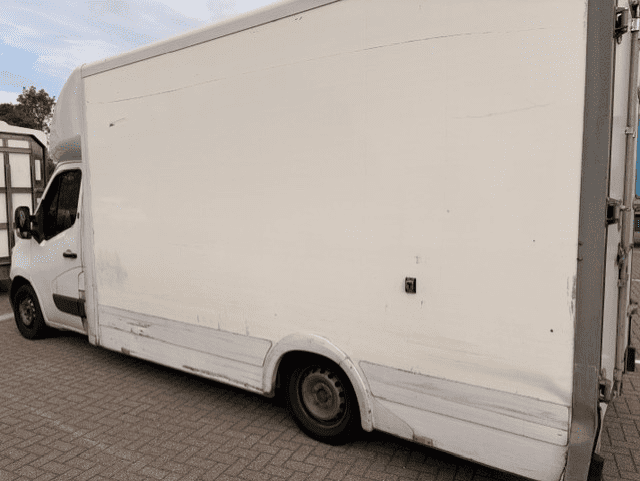
4 Overweight Vehicles Intercepted (including an LCV running 800 kg / 24% over its legal limit)
-
3 Arrests (Immigration overstayers)
-
2 Window Tint Violations
-
1 UNIL (Uninsured Vehicle)
-
1 No MOT Offence
-
1 Vehicle Not in Proper Control Offence
-
1 Op Topaz Offence
Technical Analysis of Checked Vehicles
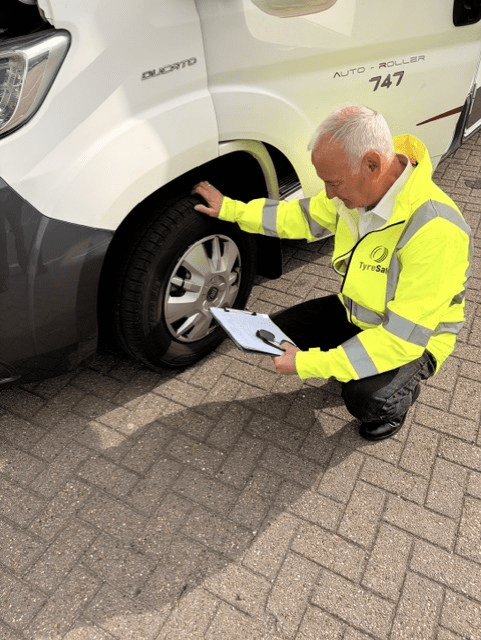
TyreSafe inspectors recorded 7 (23%) specific tyre / wheel related defects, mechanical risks, and pressure discrepancies across the inspected vehicles:
| Vehicle Category / Defect | Description of Findings & Operational Impact |
| Immediate Prohibition (PG9) | Cut to the cord observed on an Offside Front tyre, posing an immediate threat of structural failure. |
| Severe Underinflation | Offside Rear tyre operating at 3.1 bar against a recommended 4.6 bar (30% underinflated). |
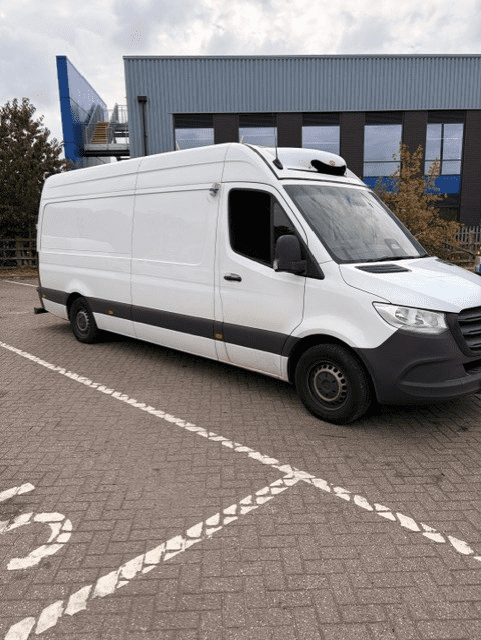
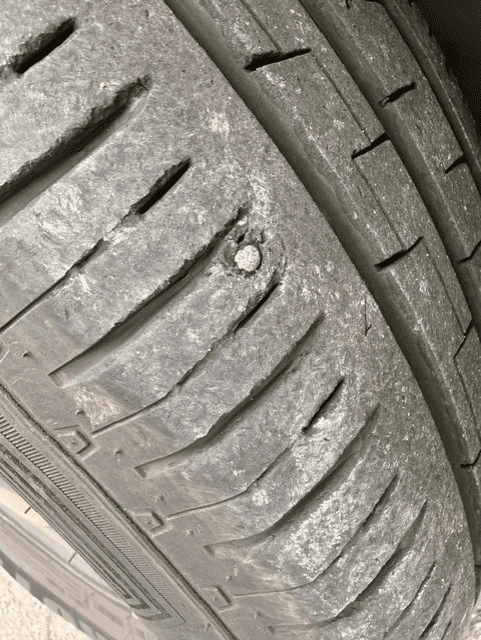
| Overweight & Hidden Puncture | LCV 800 kg overweight (24%) with an embedded nail in the NSF tyre and all four tyres c. 15% underinflated. |
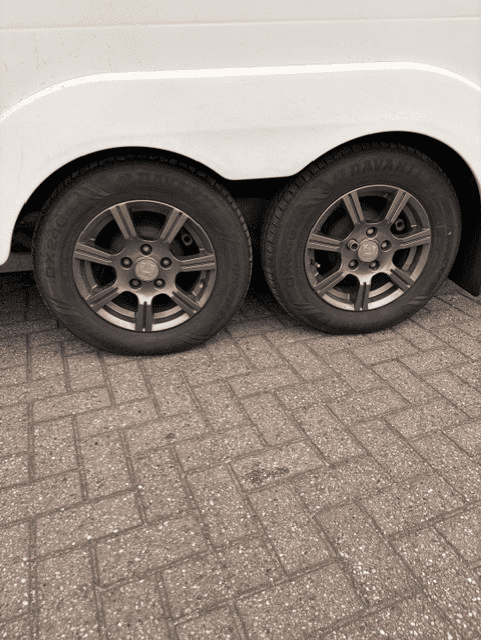
| Across-Axle Pressure Imbalance | Rear axle recorded with 44 psi on one side and 65 psi on the other, destabilizing vehicle dynamic stability. |
| Improper Pressure Distribution | LCV with front tyres overinflated to 60 psi (rec. 51 psi) and rear tyres underinflated to 60 psi (rec. 65 psi). |
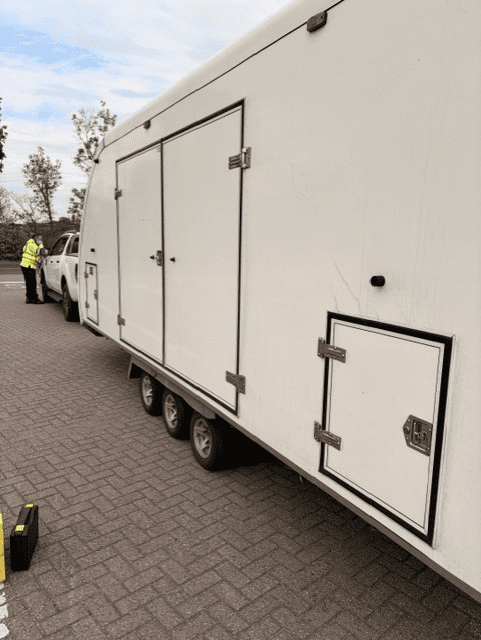
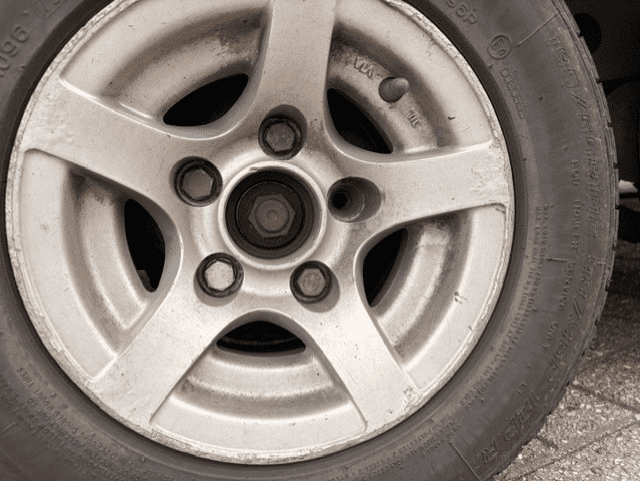
| Mechanical Security Defect | Missing wheel nut discovered on a tri-axle box trailer wheel. |
| Aged Tyre Hazard | Passenger vehicle found fitted with an 11-year-old tyre (manufactured in 2015). |
Sector Behavioral Comparison
-
Leisure Vehicles (Caravans & Motorhomes): Overall maintenance was noticeably higher in this sector. Leisure owners generally demonstrated acute awareness of the catastrophic risks posed by blowouts during transit. While general condition and tread depth were good, pressure maintenance remained an area for improvement, with several caravans exhibiting uniform ~15% underinflation that required correction before proceeding.
-
Commercial Vehicles (LCVs & Light Transport): Commercial vans exhibited higher instances of preventable neglect. Issues such as shoulder punctures, embedded nails, extreme weight distribution violations, and unbalanced tyre pressures were frequent. These defects should have been identified and rectified during basic daily walkaround checks.
Strategic Implications & Safe System Alignment
The findings from Operation Doxey highlight clear strategic priorities for UK road safety advocacy:
-
Emphasis on Daily Walkaround Checks: Punctures, missing wheel nuts, and obvious structural damage are easily detectable through routine pre-drive inspections. Drivers must treat daily checks as an essential preventative safety routine.
-
Tyre Pressures as a Primary Safety Metric: Legal tread depth alone does not guarantee safety. Incorrect inflation pressures—whether too low, too high, or unbalanced across an axle—severely compromise braking performance, dynamic stability, and structural integrity.
-
National Strategy Alignment: Following the explicit inclusion of the TyreSafe Programme in the Government’s Road Safety Strategy, operations like Doxey demonstrate why preventative maintenance belongs at the core of the Safe System approach. Prominence for vehicle defect enforcement and the integration of DVSA MOT data as key Safety Performance Indicators (SPIs) remain vital to elevating overall national fleet safety.