
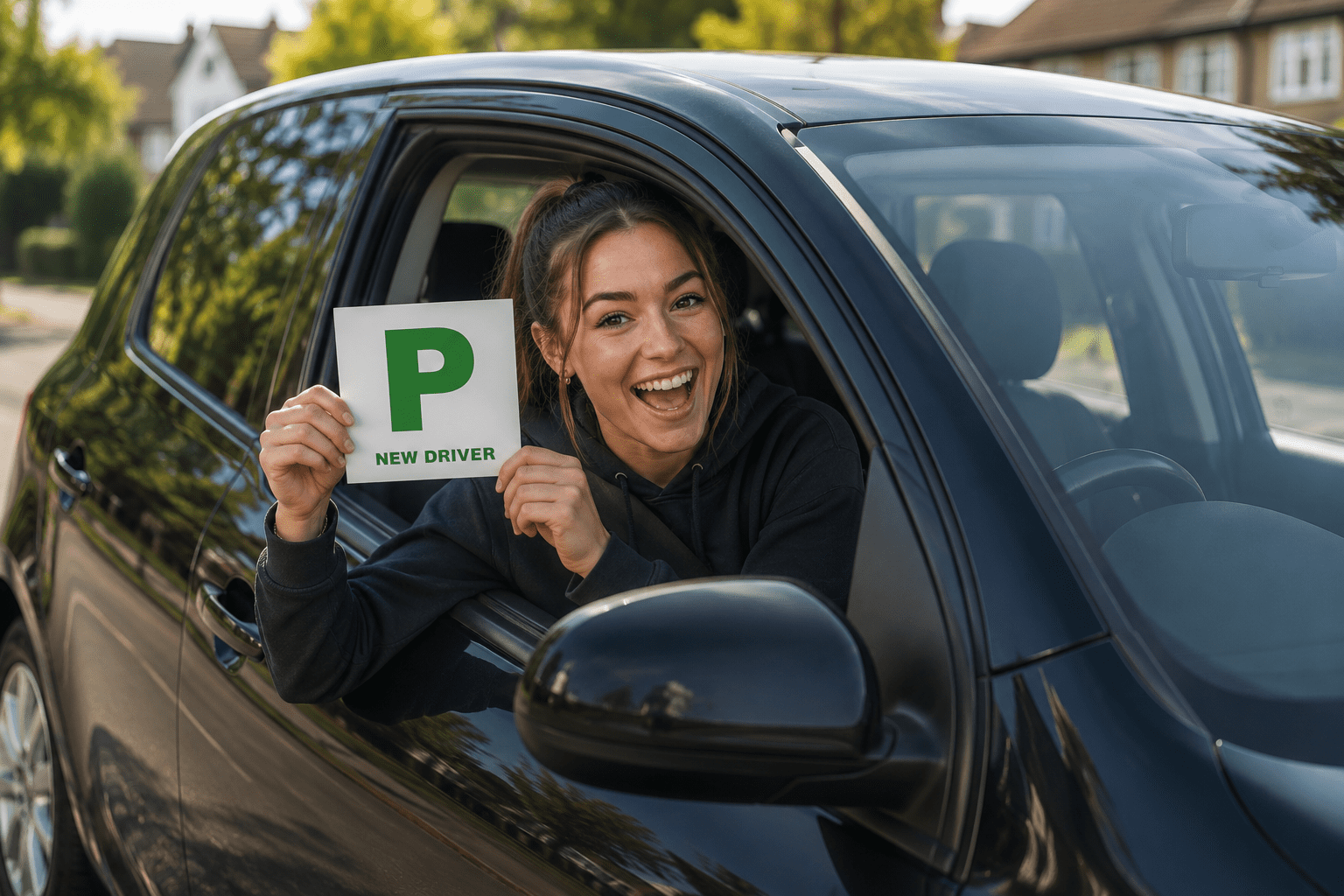
You’ve passed your theory, you’ve passed your test, and the L plates are officially off. Congratulations!
Now comes the next big milestone: driving alone for the first time. Without the calm presence of your driving instructor and the reassurance of dual controls, being behind the wheel alone can feel like a big step and feeling nervous is completely normal.
The good news is that confidence comes with preparation and practice. To help you feel ready for the road ahead, we’ve put together a guide covering everything from preparing for your first solo drive to staying safe and confident once you’re behind the wheel.
What to expect on your first solo drive
Your first time driving alone will feel different. You’ll be in a different car, without your instructor beside you for guidance and reassurance, and you’ll need to trust your own judgement when making decisions on the road.
You might feel a mix of excitement and nerves or find yourself more alert than usual as you take in everything happening around you. You may also experience a bit of imposter syndrome and wonder whether you’re really ready to drive alone. Remember, you passed your test for a reason – you have the skills and knowledge you need to be on the road.
During your first few journeys, you might find yourself thinking more carefully about things that started to feel natural during lessons, such as choosing the right lane, judging gaps in traffic, or planning your next move. You might find yourself stalling, taking a wrong turn, or making small mistakes – but don’t let this knock your confidence. These are all normal parts of becoming an independent driver.
Before your first solo drive
A little preparation can help make your first time driving alone feel much less daunting.
- Plan a familiar route
For your first solo journey, stick to roads you already know well. After all, who wants to get lost on their first outing? Choose roads you already feel comfortable on, and plan a short journey with a safe place to stop if you need a moment.
Think back to the quieter routes your instructor took you on during your first lessons; these can be great places to start building confidence on your own. Or, why not make your first drive something to look forward to with a short trip to pick up a celebratory coffee or food?
- Carry out basic checks before leaving
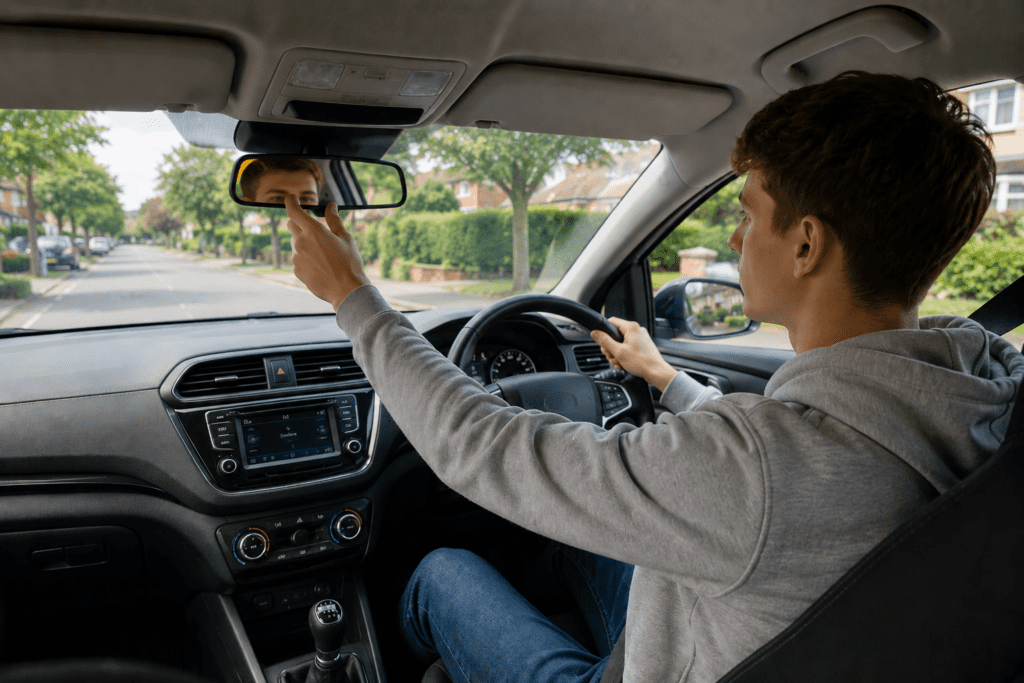
One of the best habits you can build as a new driver is checking that your car is safe before every journey. Knowing everything is in order can help you feel more prepared and in control behind the wheel. So, before setting off, take a few minutes to check your:
- Tyre pressure
- Tyre condition
- Tyre tread
- Lights and windows
- Mirrors and seating position
- Fuel level
- Warning lights
- Choose the right time to drive
Driving alone for the first time is nerve-wracking enough, so don’t make it more intense by heading out in peak traffic, at night, or in difficult weather conditions. Choose a quieter time of day, ideally during daylight hours, and check the weather beforehand. You’re more than capable of driving in the rain or snow – but your first solo drive doesn’t need to be your first experience of them!
- Make sure you’re comfortable with your car
It’s likely that your first solo drive will be in a different car from the one you learnt in, so spend some time getting comfortable with how it feels. Before setting off, make sure you know where the lights, indicators, windscreen wipers, heating and other controls are. If you’re driving a manual, the clutch and biting point may feel different from your instructor’s car, so don’t worry if it takes a little time to adjust.
- Practise with family or friends first
If you’re feeling nervous about your first solo drive, it can help to do a few practice journeys with a family member or friend in the passenger seat first. Just make sure your passenger is there to support you, not distract you and don’t put off driving alone for too long – the longer you wait, the easier it can be to overthink it! Once you feel ready, get out on the road and start building experience independently.
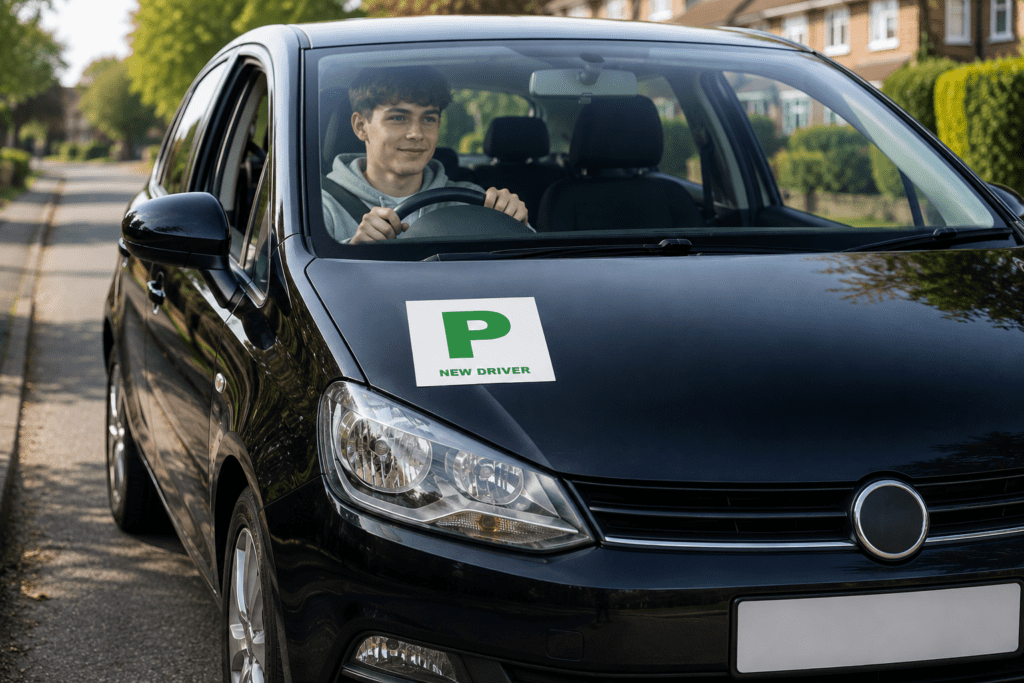
- Consider using P plates
When you’re first starting out, P plates can be a useful way to ease yourself into driving alone. You don’t have to use them, but they can be a helpful reminder to other drivers that you’re newly qualified and still getting used to driving independently.
During your first drive alone
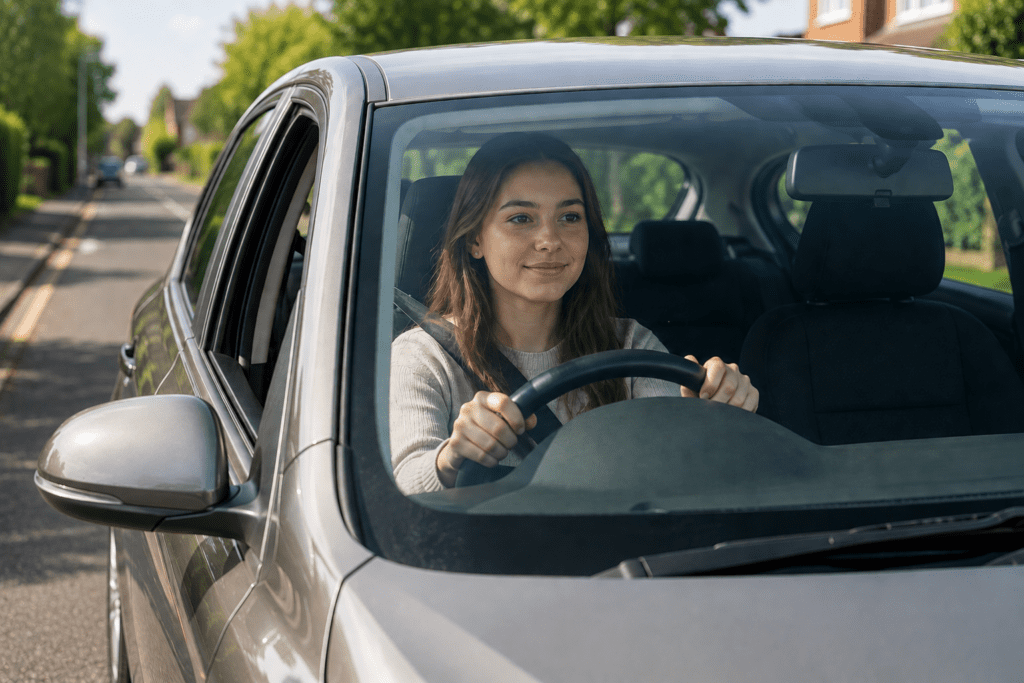
You’ve checked your tyres, adjusted your mirrors, and planned a simple, familiar journey. Your first solo drive is about to begin; here’s how to stay calm and confident on the road.
- Stay focused and avoid distractions
When you’re driving alone for the first time, it’s a good idea to keep distractions to a minimum. Many new drivers choose to turn off the music, tune in to a familiar radio station, or avoid conversations with passengers while they get used to driving on their own. Most importantly, keep your phone out of reach and never let it distract you while driving.
- Drive at your own pace
You might come across drivers who are impatient or seem to be rushing you, but don’t let this affect how you drive. Keep to the speed limits, leave enough space, and take the time you need to make safe decisions. Your speed should always match the conditions – whether that means slowing down in heavy rain, poor visibility or busy traffic.
- Give yourself extra time
Where possible, avoid making your first solo drive a journey where you have to be somewhere by a certain time. Choose a trip where you can drive at your own pace without worrying about being late. If you do have somewhere to be, leave plenty of extra time so you don’t feel rushed.
- Know what to do if something goes wrong
You probably won’t need it, but knowing what to do if something goes wrong can make your first solo drive feel much less stressful. Some situations can be prepared for before you set off, while others are about knowing how to stay calm and respond safely in the moment.
- Breakdown – Pull over somewhere safe if you can, switch on your hazard lights, and contact your breakdown provider.
- Flat tyre – Check whether your car has a spare wheel or space saver tyre, make sure you know where it’s stored, and learn how to change a tyre safely before you need to use it.
- Punctures – Many newer cars come with a tyre repair kit instead of a spare wheel. Familiarise yourself with where it’s kept and when it can be used, as not all punctures can be repaired with a repair kit.
- Warning lights – Don’t ignore dashboard warning lights. If you’re unsure what they mean, stop somewhere safe and check your vehicle handbook.
- Minor collision – Stay calm, make sure everyone is safe, exchange details and report the incident if required.
- Getting lost – If you miss a turning, don’t panic or make a sudden manoeuvre. Continue until it’s safe to turn around or let your sat nav reroute you.
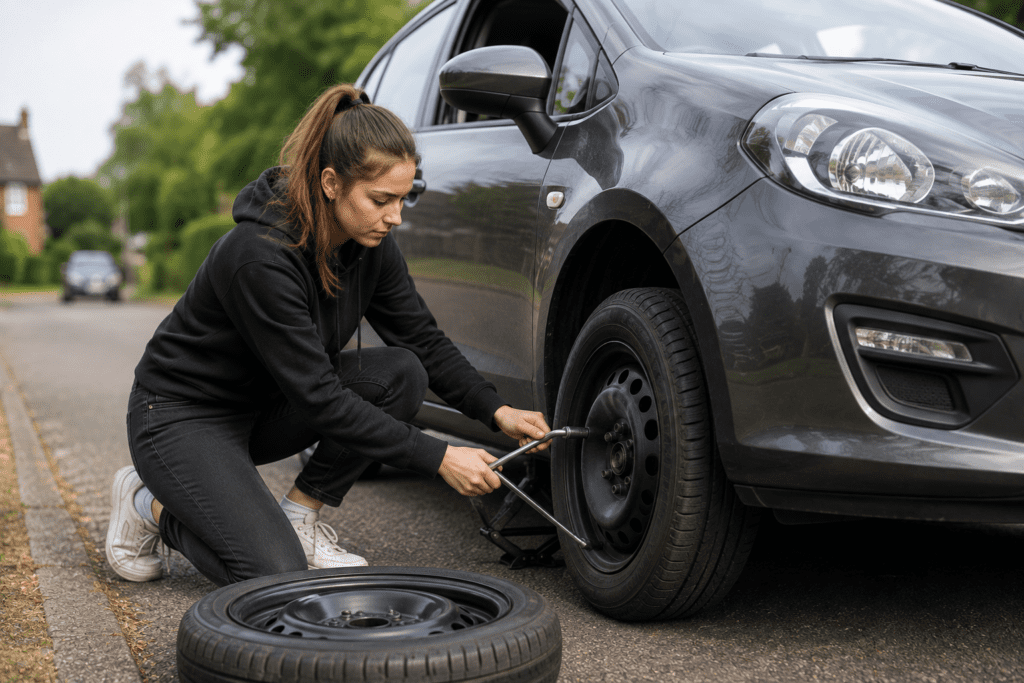
Tips for driving alone for the first time and beyond
Here are some practical tips to help you build confidence behind the wheel, both for your first solo drive and for the journeys that follow:
- Get on the road sooner rather than later – Don’t let nerves build up by putting off your first solo drive – confidence comes with experience.
- Keep practising different types of journeys – Once you feel comfortable, gradually introduce new challenges like unfamiliar roads, busier routes or motorway driving.
- Learn basic car maintenance – Build confidence by understanding how to look after your car, from checking tyre pressure and tyre tread to topping up screen wash.
- Get familiar with common car terms – Learn the basics of tyre terminology and mechanic jargon so you feel more confident when talking about your car.
Stay confident on the road with TyreSafe
Keep building your confidence behind the wheel with TyreSafe. Discover practical advice and resources to help you handle every journey. As a charity, we’re dedicated to raising awareness of the importance of tyre safety.